






The Shifting Centres of Consumption
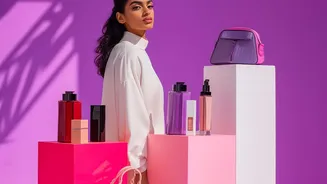
The traditional path for luxury brands in India was straightforward: launch in Delhi, Mumbai, and Bengaluru, and cater to an established elite. That hierarchy is being rapidly dismantled. Today, a significant portion of demand for premium beauty products
comes from Tier-2 and Tier-3 cities like Lucknow, Jaipur, Chandigarh, and Coimbatore. More than half of the premium beauty demand on major e-commerce platforms now originates from these non-metro areas, signaling a fundamental change in India's consumer landscape. This isn't just about a handful of wealthy individuals; it's a broader movement driven by a new, confident consumer class that is digitally connected and globally aware.
Digital Access Unlocks Aspiration
The single biggest catalyst for this change is the democratising force of the internet. E-commerce platforms like Amazon, Nykaa, and Tira have eliminated the physical barriers that once kept international and premium brands out of smaller cities. A consumer in Guwahati or Patiala now has access to the same global brands, such as Laura Mercier or La Roche-Posay, as someone in Mumbai. This is powerfully combined with the influence of social media. Instagram and YouTube have made consumers incredibly knowledgeable about ingredients, routines, and global trends like K-beauty. They are no longer just buying a brand; they are searching for specific solutions to concerns like pigmentation or barrier repair, armed with reviews and tutorials.
Rising Incomes and a New Mindset
This digital exposure is matched by growing economic power. Rising disposable incomes in Tier-2 and Tier-3 cities are a primary driver of this trend. Salary growth in cities like Ahmedabad and Nagpur is projected to be on par with, or even exceed, that of some metros. With increased purchasing power, consumers are seeking to upgrade their lifestyles, and beauty is a key avenue for this expression. They are looking for 'premiumisation within a budget,' seeking out products with science-backed formulations and high-quality ingredients that offer tangible value. For this new class of consumers, a premium lipstick or an advanced serum is not just a product but a symbol of success and an extension of their personal identity.
How Brands Are Responding
Beauty brands, both new and established, are taking notice and aggressively reorienting their strategies. E-commerce giants are expanding their premium portfolios, adding hundreds of new international brands to cater specifically to this growing demand. The growth is not just online. Brands like Sephora, MAC, and Nykaa Luxe are opening physical stores in cities such as Indore, Lucknow, and Bhopal, recognising that an offline presence builds trust and credibility. Direct-to-consumer (D2C) brands have been particularly agile, using targeted digital marketing and regional-language influencers to build strong communities and offer transparent, personalised products directly to consumers' doorsteps, often facilitated by quick commerce.
More Than a Trend, It's a Reshaping
The rise of premium beauty in smaller cities is more than just a market statistic; it represents a cultural shift. It signifies that aspiration is no longer geographically concentrated. Consumers in what were once considered secondary markets are now active participants and trendsetters in India’s beauty narrative. They are experimental, well-researched, and demand authenticity from the brands they support. This has fragmented the market in a positive way, creating space for niche brands focused on specific concerns, from 'clean-ical' formulations to products designed for melanin-rich skin. This evolution is a clear sign of a more mature and informed consumer base that will define the future of beauty in India.