
The Quest for Complete Protein
Proteins are made of smaller units called amino acids. Your body needs 20 different amino acids to function, nine of which are considered “essential” because the body cannot produce them. These must come from your diet. A food source that contains all nine of these
essential amino acids in adequate amounts is called a “complete protein.” While animal-based foods like meat, eggs, and dairy are generally complete proteins, most plant-based foods are considered “incomplete” on their own because they are low in one or more essential amino acids. This doesn't make them inferior; it just means a little food wisdom is needed to unlock their full potential.
Grains and Legumes: The Perfect Partnership
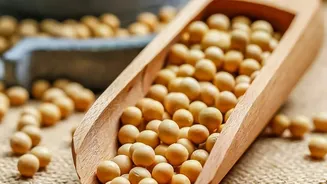
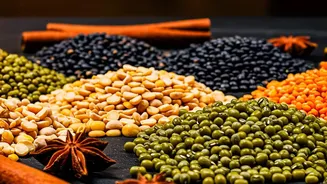
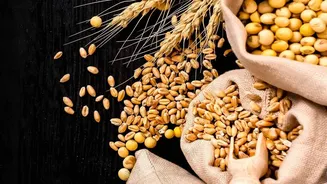
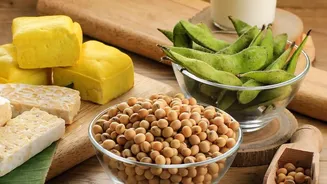
This is where the magic of pairing comes in. Cereal grains like rice and wheat are foundational to many diets, but they are typically low in an essential amino acid called lysine. On the other hand, legumes—a family that includes all our beloved dals, chickpeas, and beans—are rich in lysine but tend to be low in another essential amino acid, methionine. When you eat them together, they perfectly complement each other. The lysine from the legumes fills the gap in the grains, and the methionine from the grains fills the gap in the legumes. This combination creates a meal with a complete amino acid profile, functionally equivalent to a high-quality animal protein.
Boosting the Protein Quality Score
The quality of a protein is scientifically measured using scores like the Protein Digestibility-Corrected Amino Acid Score (PDCAAS). This score, which ranges from 0 to 1.0, evaluates a protein based on its amino acid profile and how well the human body can digest it. Animal proteins like eggs and milk score a perfect 1.0. Individual plant sources often score lower; for instance, whole wheat might have a PDCAAS of around 0.42 and lentils around 0.52. However, when you combine them, the score of the overall meal improves significantly because the blend provides a more complete and balanced set of essential amino acids, making the protein more useful to your body.
A Tradition of Wisdom: Examples from the Indian Kitchen
The principle of combining grains and legumes isn't a new dietary fad; it's a cornerstone of traditional Indian cuisine that has been practiced for centuries. This nutritional wisdom is embedded in some of our most comforting and iconic dishes. Think of dal-chawal, where lentils and rice come together. Consider roti served with dal or chole, pairing wheat with legumes. Even breakfast dishes like idli and dosa, made from a fermented batter of rice and urad dal, are perfect examples of protein complementation. Other classic combinations include rajma-chawal (kidney beans and rice) and khichdi (rice and moong dal), each creating a wholesome, complete protein meal without any conscious effort.
Do You Need to Combine in Every Meal?
In the past, it was believed that complementary proteins needed to be eaten in the same meal to be effective. However, modern nutritional science has shown this isn't strictly necessary. The body maintains a 'pool' of free amino acids throughout the day. As long as you consume a variety of protein sources—including a mix of grains, legumes, nuts, and seeds—over the course of the day, your body can pull the amino acids it needs to build complete proteins. That said, pairing grains and legumes in a single meal remains a simple, reliable, and delicious strategy to ensure you're getting high-quality protein, especially for those following a vegetarian or vegan diet.