


The Myth of Imported Sustainability
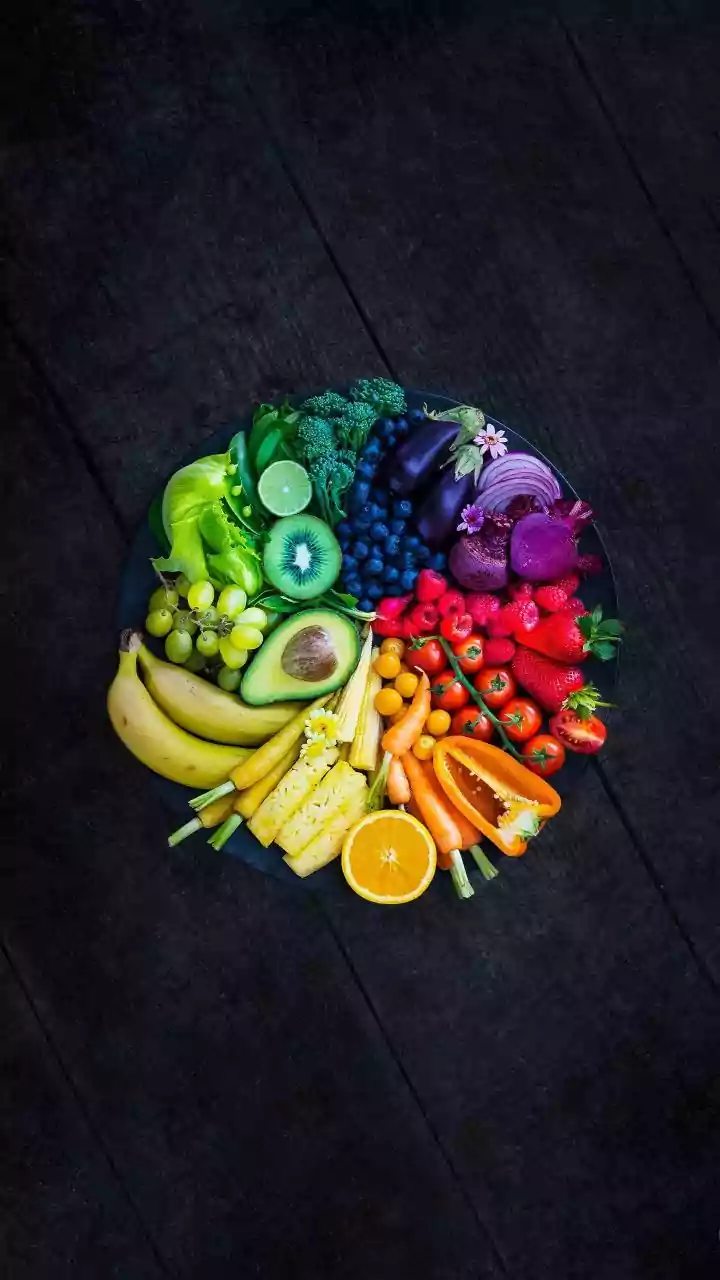
Scroll through social media and you’ll see what mainstream “sustainable cooking” looks like: vibrant smoothie bowls with imported berries, salads made with expensive kale and quinoa, and baked goods using almond flour. These images, often from Western
influencers, create a narrative that being eco-friendly is a costly, aspirational lifestyle. It requires special ingredients that are not native to our climate, carry a significant carbon footprint from transportation, and are simply unaffordable for the average Indian household. This version of sustainability feels exclusive and completely disconnected from the daily realities of cooking in most Indian homes, where budgets are tight and kitchens are practical, not trendy.
The Wisdom of the Indian Kitchen
The irony is that traditional Indian cooking has been inherently sustainable for centuries, born from a culture of resourcefulness and a deep-seated respect for food. The philosophy of "Annam Brahmam"—that food is divine—means that wasting it is a transgression. This isn't a new trend; it's ancestral wisdom. Our grandmothers were the original zero-waste champions. They knew how to turn vegetable peels into delicious chutneys, transform leftover rice into the next day's flavourful breakfast, and use every part of an ingredient out of necessity and respect. Stale rotis were repurposed into snacks, and the water from boiled lentils or rice was used to add nutrients to other dishes. This is the sustainability of pragmatism, not performance.
Local Equipment, Smarter Cooking
Sustainability isn't just about what you cook, but how you cook it. The modern sustainability movement often overlooks the efficiency of traditional Indian kitchen equipment. A pressure cooker, a staple in nearly every Indian home, is a marvel of energy-efficient cooking, drastically reducing the gas or electricity needed to cook dals, rice, and vegetables compared to open-pot boiling or oven baking. The humble kadhai is a versatile workhorse for frying, sautéing, and curry-making. Stone grinders and mortar-pestles use manual effort over electricity. These tools were designed for the Indian way of cooking and are perfectly suited for it, proving that you don't need expensive, energy-guzzling gadgets to cook sustainably.
Recipes That Truly Make Sense
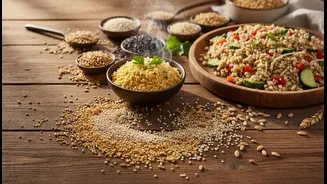
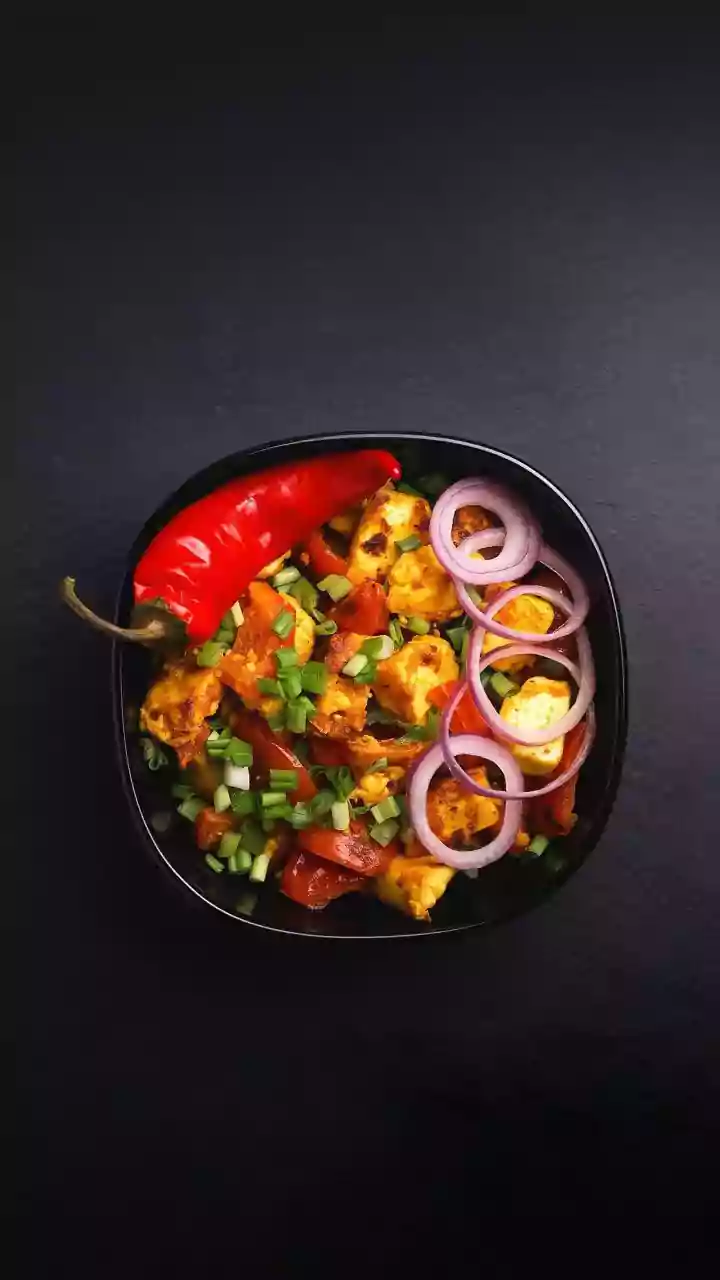
To make sustainability accessible, the focus must shift to recipes that embrace local, seasonal produce. Instead of imported quinoa, we can champion our wealth of millets like jowar, bajra, and ragi, which are climate-resilient and incredibly nutritious. Instead of kale, we can celebrate the diversity of local greens available in our sabzi mandis. Creative recipes are emerging, inspired by tradition. Chefs and home cooks are reviving dishes that use banana flowers, moringa leaves, and even watermelon rinds. Turning vegetable scraps into a flavourful stock is a simple, no-cost way to reduce waste and add depth to your cooking. This approach not only supports local farmers and reduces our carbon footprint but also connects us to our culinary heritage.