







Rule 1: Never Enter Your PIN to Receive Money
This is the golden rule of UPI safety. Your UPI PIN is a secret code required only when you are sending money or checking your balance. You never need to enter your PIN to receive funds from someone else. Scammers often use a trick called a 'collect request'.
They will send you a payment request and claim that approving it will credit money to your account for a refund or a prize. The moment you enter your PIN, money is debited from your account. Always remember: if someone asks for your PIN to send you money, it is a scam.
Rule 2: Scrutinise All Payment and QR Code Requests
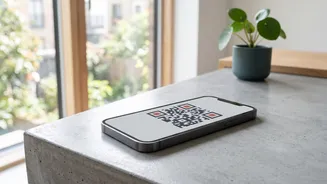
Fraudsters exploit the speed of UPI by creating a sense of urgency. Before approving any payment, take a moment to verify the recipient's name and UPI ID displayed on the screen. Scammers often use UPI IDs that look very similar to legitimate businesses or contacts. Be equally cautious with QR codes. Scammers send QR codes claiming you will receive money by scanning them. However, scanning a QR code is exclusively for making payments, not for receiving them. If you scan a fraudster's QR code and enter your PIN, you are authorising a payment to them. Only scan QR codes from trusted merchants and sources.
Rule 3: Beware of Phishing and Fake Links
Phishing remains one of the most common methods for UPI fraud. Scammers send emails or SMS messages that appear to be from your bank, a payment app, or a popular online retailer. These messages often contain links that lead to fake websites designed to steal your login credentials, card details, or UPI PIN. Never click on suspicious links, even if they look official. Real banks and payment companies will never ask for your PIN or other sensitive information via a link in an email or text message. If you have any doubts, contact the company through its official app or customer service number.
Rule 4: Do Not Trust Unverified Customer Support
If you face an issue with a transaction, do not search for customer care numbers on Google. Scammers often post fake helpline numbers online. When you call, they will pose as a support executive and ask you to install a screen-sharing app like AnyDesk or TeamViewer to 'help' you. These apps give them complete control of your phone, allowing them to view your PIN, access your banking apps, and authorise fraudulent transactions without your knowledge. Always use the official customer support channels provided within your UPI app or on your bank's official website.
Rule 5: Verify Payments in Your Own App, Not by Screenshot
For business owners and sellers, the fake payment screenshot is a growing scam. A fraudster will pretend to pay, show you a convincing but edited screenshot of a 'successful' transaction, and then leave with the goods. These fake screenshots can be generated by spoof apps that perfectly mimic the interface of popular UPI platforms. The only real proof of payment is a credit confirmation in your own UPI app's transaction history or a notification from your bank. Never accept a screenshot as proof of payment.
Rule 6: Enhance Your App and Account Security
Basic digital hygiene is crucial. Always use a strong screen lock on your phone and enable the app lock feature within your UPI apps for an extra layer of security. Keep your UPI apps updated to ensure you have the latest security patches. Avoid making financial transactions on public or unsecured Wi-Fi networks, as hackers can intercept your data. Furthermore, most UPI apps allow you to set daily transaction limits, which can minimise potential losses in case your account is ever compromised.
What to Do If You Get Scammed
If you suspect you have become a victim of UPI fraud, time is critical. Immediately report the fraudulent transaction to your bank and request them to block your UPI access. Next, call the national cybercrime reporting helpline at 1930. You should also file a formal complaint on the National Cyber Crime Reporting Portal (cybercrime.gov.in). Reporting the incident quickly increases the chances of freezing the fraudulent account and potentially recovering your money.