






Ginger
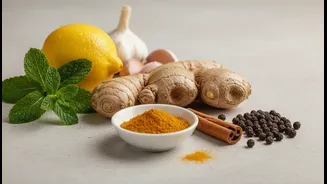
A staple in Indian kitchens, ginger is prized for its ability to soothe the digestive system and fight inflammation. During monsoon, when digestion can be sluggish, a cup of ginger tea or adding fresh ginger to your meals can help prevent bloating and indigestion.
Its natural antibacterial and antiviral properties also make it an excellent first line of defence against common colds and throat infections that are rampant this season.
Turmeric
This vibrant yellow spice is a powerhouse of immunity. Turmeric contains curcumin, a compound known for its strong anti-inflammatory, antibacterial, and antiviral effects. Adding a pinch of turmeric to your dals, vegetables, or a warm glass of milk can help strengthen your body's defences against seasonal illnesses. It helps your system fight off germs that thrive in the damp monsoon weather.
Garlic
Like ginger, garlic is a natural antibiotic. It contains a compound called allicin, which is released when crushed or chopped and has potent antimicrobial properties. Incorporating garlic into your daily cooking, such as in soups and curries, can help bolster your immune system and protect against waterborne infections that become more common during the rains.
Seasonal Fruits
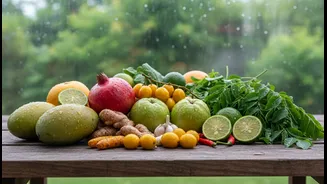
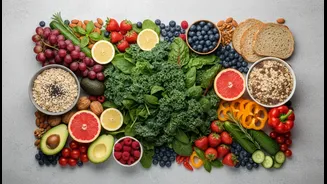
Opt for seasonal monsoon fruits like jamun, pears, plums, and pomegranates. These fruits are packed with vitamins, minerals, and antioxidants that are essential for a strong immune system. Pears are high in fibre and easy to digest, while jamun is known to be great for managing blood sugar. Always wash fruits thoroughly and choose those with thick skins that you can peel to minimize contamination risk.
Probiotics (Curd/Yoghurt)
Gut health is directly linked to immunity, and probiotics are the key to a healthy gut. Including fresh, homemade curd (yoghurt) or buttermilk in your daily diet helps maintain a healthy balance of gut bacteria. This not only aids digestion but also strengthens your body's ability to fight off harmful pathogens that can cause stomach infections common during this season.
Moong Dal
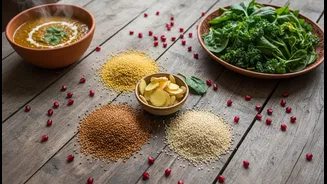
Light, nutritious, and incredibly easy to digest, moong dal is an ideal food for the monsoon. The rainy season can weaken our digestive fire, and heavy meals can lead to discomfort. A simple moong dal soup or a warm khichdi is a complete meal that provides protein and energy without taxing your digestive system. It’s a comforting food that nourishes and supports gut health.
Bitter Vegetables
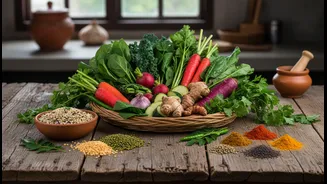
Vegetables like bitter gourd (karela) and fenugreek (methi) are highly recommended during the monsoon. Their bitter taste is an indicator of their powerful antibacterial and antiviral properties. These vegetables help cleanse the body of toxins, improve liver function, and keep infections at bay. To reduce the risk of contamination, it's best to consume them well-cooked rather than raw.
Nuts and Seeds
A small handful of nuts and seeds like almonds, walnuts, and flaxseeds can provide a significant nutritional boost. Almonds are a good source of Vitamin E, which supports immune function, while walnuts and flaxseeds are rich in omega-3 fatty acids that help manage inflammation. They make for a healthy, filling snack that can keep you away from the temptation of deep-fried monsoon treats.
Warm Soups and Broths
Nothing is more comforting on a rainy day than a warm bowl of soup. Soups are not only hydrating and nourishing but also very easy on the digestive system. A vegetable or lentil soup packed with warming spices like black pepper and cumin can help fight infections, soothe a sore throat, and keep you warm from the inside out. They are an excellent way to get a variety of nutrients in a single, light meal.
Herbal Teas
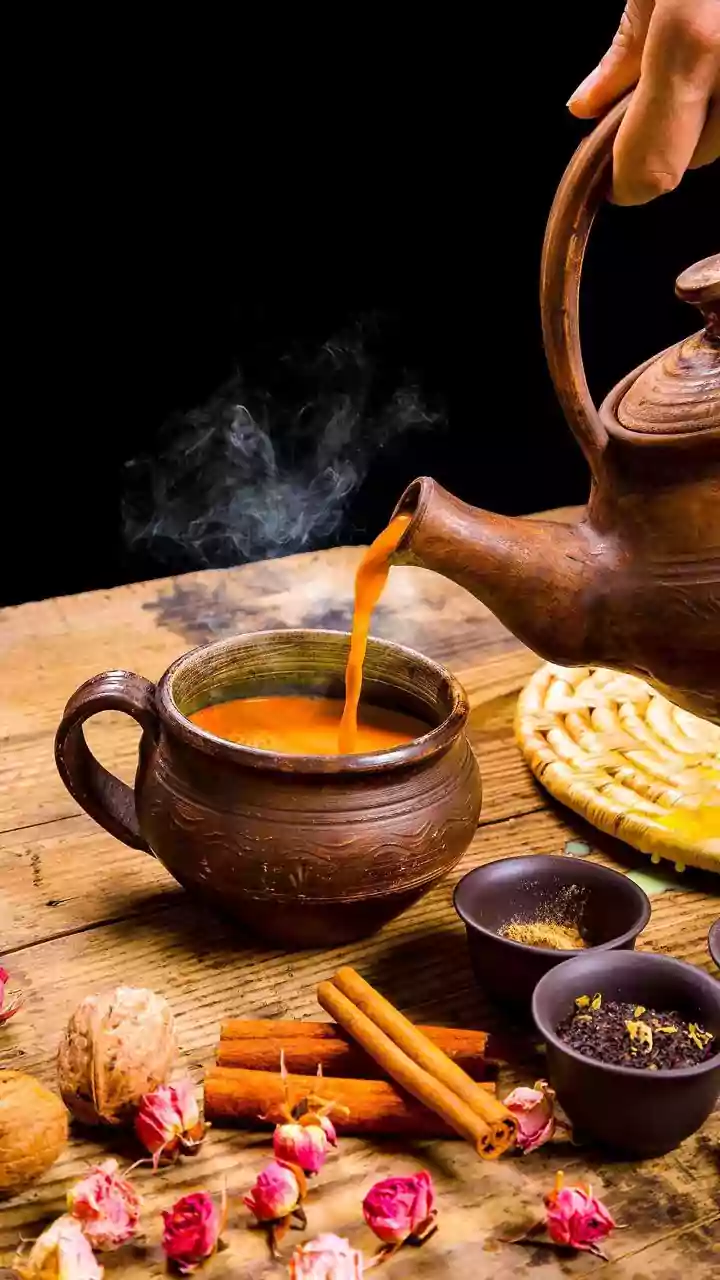
Swapping your regular tea for herbal infusions can do wonders for your health during the monsoon. Teas made with ingredients like tulsi (holy basil), ginger, cinnamon, and pepper help boost immunity and improve digestion. These warm beverages provide hydration and have therapeutic properties that can help prevent and manage common monsoon ailments like colds and coughs.