

The End of an Era for the ISS
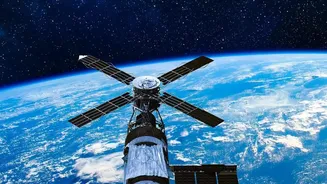
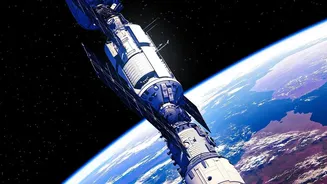
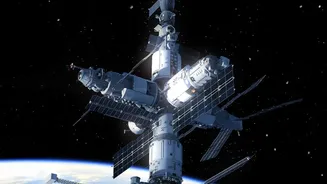
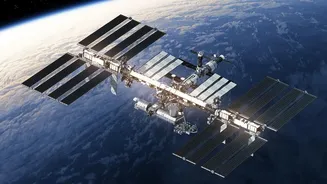
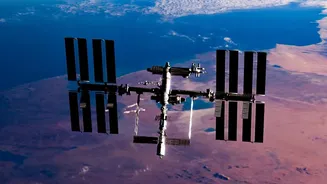
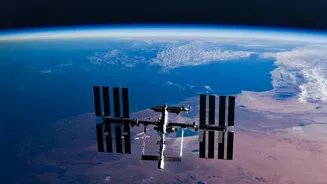
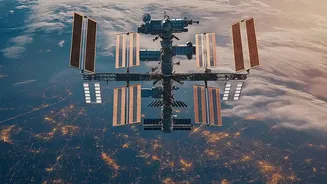
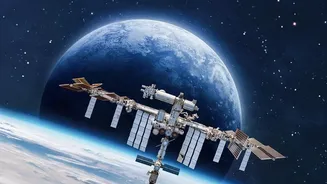
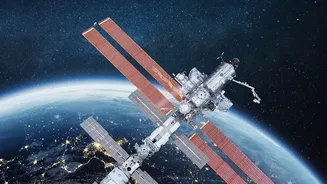
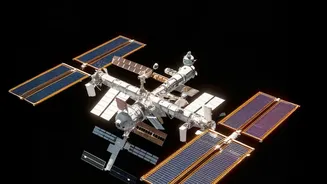
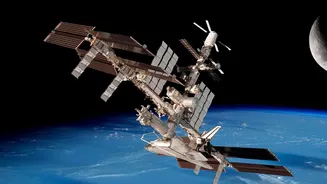
The International Space Station stands as one of humanity's greatest engineering and diplomatic achievements, continuously occupied since November 2000. However, nothing in the harsh environment of low-Earth orbit lasts forever. After more than three
decades of service by its planned retirement date, the station's structure is showing its age. Constant thermal cycling, micrometeoroid impacts, and general wear-and-tear make maintenance increasingly expensive and risky. NASA plans a controlled deorbit procedure around 2030, which will see the station guided into a remote part of the South Pacific Ocean known as Point Nemo. This move is not just about decommissioning old hardware; it represents a strategic shift for NASA, freeing up billions in annual operating costs to focus on deep-space exploration, including the Artemis missions to the Moon and beyond.
NASA's New Role: From Owner to Customer
Instead of building a direct government-funded successor to the ISS, NASA is pioneering a new model for operations in low-Earth orbit (LEO). Through its Commercial LEO Destinations (CLD) program, the agency is investing in several private companies to develop their own space stations. The goal is to foster a competitive commercial marketplace where NASA can transition from being an owner and operator to just one of many customers. The agency will purchase services like astronaut crew time, research space, and other in-orbit resources from these new commercial outposts. This approach is designed to lower costs, stimulate innovation, and create a robust LEO economy independent of government-exclusive funding. After some policy shifts in early 2026, NASA has recommitted to this commercial-first strategy, creating a race among private ventures to become the first landlords in orbit.
The Contenders: A New Class of Orbiting Outposts
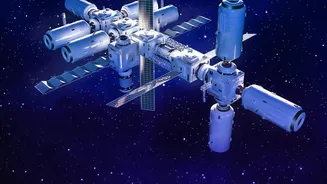
Several companies are leading the charge to build the post-ISS orbital ecosystem. Axiom Space has a unique head start, with a plan to first attach its modules to the ISS. The first module is expected to launch as early as 2027, with subsequent modules added before the entire segment detaches to become a free-flying station named Axiom Station around 2028. Meanwhile, other major players are developing fully independent stations. Blue Origin and Sierra Space are collaborating on Orbital Reef, envisioned as a “mixed-use business park in space” for research, manufacturing, and tourism. Another key project is Starlab, a joint venture between Voyager Space and aerospace giant Airbus, which will focus heavily on creating an advanced orbital science park. A fourth company, Vast, is also in the race with its plans for the Haven-1 station, aiming for an early launch to become the first free-flying commercial habitat.
An Orbiting Economy Takes Shape
These new commercial stations are not just for NASA astronauts. Their business models depend on attracting a wide range of customers. This includes other national space agencies, private corporations seeking to conduct microgravity research, and in-space manufacturing ventures. The unique environment of space allows for the creation of materials impossible to make on Earth, such as superior fiber optics and complex protein crystals for drug development. Axiom Space, for example, is already flying private astronaut missions to the ISS and has plans for a research and manufacturing facility on its future station. Starlab is being designed to host over 400 experiments per year. Beyond science and industry, space tourism is also a major potential market, with companies designing their habitats to be destinations for private citizens. This diversification is key to creating a self-sustaining economy in low-Earth orbit.