



Meet Nature's Carbon Superheroes
The term for carbon captured and stored by coastal and ocean ecosystems is 'blue carbon'. The primary ecosystems involved are mangrove forests, tidal salt marshes, and seagrass meadows. While they cover far less area than terrestrial forests, they are exceptionally
efficient at sequestering carbon from the atmosphere. India's extensive coastline is home to all three of these vital ecosystem types, with significant mangrove forests in the Sundarbans and Bhitarkanika, and seagrass meadows in the Gulf of Mannar and Palk Bay. These habitats are not just carbon storage units; they are biodiversity hotspots, crucial nursery grounds for fisheries, and natural barriers protecting coastal communities from storm surges.
The Secret is in the Soil
The true power of blue carbon ecosystems lies beneath the surface. While forests store most of their carbon in their woody biomass, coastal ecosystems store the majority in their waterlogged, oxygen-poor soils. As plants like mangroves and seagrasses grow, they pull carbon dioxide from the air through photosynthesis. When these plants die and decompose, the carbon-rich organic matter becomes trapped in the dense, muddy soil. The lack of oxygen in these saturated soils slows decomposition to a crawl, meaning the carbon can remain locked away for hundreds or even thousands of years. This makes them incredibly effective long-term carbon sinks, far outpacing many of their land-based counterparts on a per-area basis.
A Powerful but Disappearing Ally
Globally, coastal ecosystems are being lost at an alarming rate. Estimates suggest that tens of thousands of acres of coastal wetlands are lost annually to a combination of factors. These ecosystems are under pressure from coastal development, aquaculture expansion, pollution, and the overarching impacts of climate change. India, despite conservation efforts, has also witnessed degradation of these vital habitats. This loss is a double blow. Not only do we lose the future carbon sequestration potential of the ecosystem, but the destruction itself can cause a massive release of previously stored carbon.
How Erosion Turns a Sink into a Source
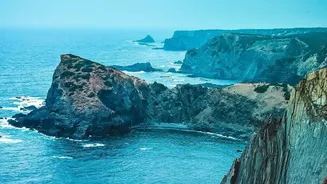
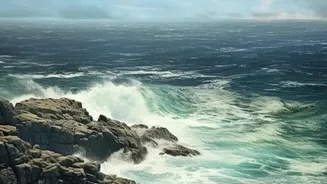
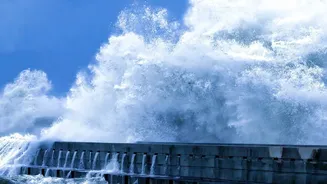
Coastal erosion is a primary driver of this destruction. Rising sea levels, coupled with more frequent and intense storms, are battering coastlines with increased force. This physical process literally wears away at the land, uprooting mangrove trees and tearing away at the soil beds that hold centuries of stored carbon. When the soil is eroded and exposed to air and churning water, the previously stable carbon is released back into the atmosphere and ocean, often as carbon dioxide. This turns a vital carbon sink into a carbon source, creating a dangerous feedback loop where the consequences of climate change (sea-level rise and storms) accelerate further climate change by releasing stored carbon.
Protecting Our Blue Carbon Fortresses
The threat of erosion underscores the dual importance of coastal ecosystems. They not only store carbon but also act as a physical defence, with mangrove roots and marsh grasses dissipating wave energy and stabilizing shorelines. Losing them means losing both a climate regulator and a natural sea wall. Protecting and restoring these habitats is now recognised as a crucial nature-based solution. For India, whose long coastline is vulnerable to cyclones and sea-level rise, the health of its mangroves and seagrass beds is a matter of both environmental and national security. Initiatives focused on conservation, sustainable management, and community involvement are essential to preserve these invaluable blue carbon repositories for the future.