







What Are Bharat Atta and Rice?
The 'Bharat' brand is a government market intervention initiative designed to control food inflation by selling essential staples directly to consumers at affordable, fixed prices. Under the latest policy for 2026-27, Bharat Atta (wheat flour) is sold
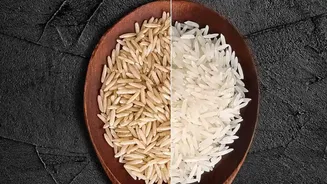
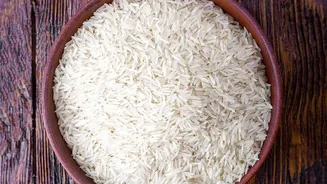
at a maximum retail price of ₹32 per kg, while Bharat Rice is available for ₹35 per kg in common 5 kg and 10 kg packs. The primary objective is to provide a buffer for households against the volatile prices in the open market, making everyday meals more affordable. These products are distributed through a network of cooperative agencies, including NAFED, NCCF, and Kendriya Bhandar, using both fixed outlets and mobile vans to reach consumers.
A Tool to Tame Inflation
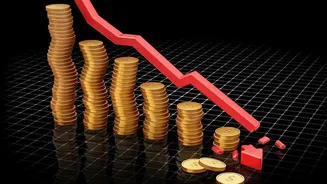
Unlike the permanent Public Distribution System (PDS) aimed at the most vulnerable, the Bharat brand is a temporary and strategic tool. It leverages surplus food grains held by the Food Corporation of India (FCI) and releases them into the market when prices spike. The scheme's very existence is tied to market conditions; it was launched in 2023, discontinued in April 2025 as inflation eased, and approved for relaunch in late 2026 ahead of the festive season as price pressures returned. By increasing the supply of low-cost alternatives, the government aims to cool down overall market rates and prevent hoarding, acting as a direct intervention to ensure price stability for key commodities.
The Challenge of the Last Mile
A key limitation of the scheme is that simply allocating the grains is not enough. The journey from a government warehouse to a consumer's kitchen is filled with logistical hurdles. Evidence from the scheme's earlier phase highlights this gap between intent and reality. According to one report, initial sales of Bharat Rice were surprisingly low, with only a small fraction of the stock lifted by agencies actually reaching consumers, in stark contrast to the much more popular Bharat Atta. This disparity forced a strategic shift to focus rice sales in southern and eastern states where it is more commonly consumed, and wheat in the north. It proves that without an efficient and targeted distribution strategy that understands regional consumption patterns, even a heavily subsidised product can fail to reach its intended audience.
Balancing Consumers and Farmers
While subsidised food provides immediate relief to consumers, it can create an imbalance in the broader agricultural economy. Critics and agricultural economists point out that such interventions are often biased towards urban consumers at the expense of farmers. When the government releases subsidised grains to suppress market prices, it can prevent farmers from earning higher incomes during periods of strong demand. This dynamic effectively transfers potential revenue from producers to consumers. The persistent demand from farming communities for higher Minimum Support Prices (MSPs) exists in direct tension with the government's efforts to keep food prices low for the public. This balancing act between rewarding farmers and protecting consumers is a fundamental challenge that a simple subsidy cannot resolve.
A Drop in the Ocean?
Another limit of the initiative is its scale. While allocations of 300,000 tonnes of rice and 50,000 tonnes of wheat sound substantial, some experts argue these quantities are not large enough to significantly influence prices across the vast Indian market. The intervention may create price relief in specific urban localities where the distribution is concentrated, but its power to cause a nationwide drop in prices is debatable. The scheme may function more as a visible signal of government action and a psychological comfort to anxious consumers rather than a powerful force that fundamentally alters market dynamics. The true impact is often localised and dependent on the intensity of distribution in a given area.