






The Case Against Polished White Rice
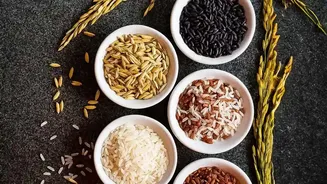
Polished white rice is a staple in many Indian households, loved for its texture and quick cooking time. However, the polishing process strips the grain of its most nutritious parts: the outer bran and the germ. This leaves behind the starchy endosperm,
which is mostly carbohydrates. The removal of the bran means a significant loss of dietary fibre, vitamins, and minerals. For gut health, this lack of fibre is a major drawback. Fibre acts as a bulking agent, promoting regular bowel movements and preventing constipation. Without it, a diet heavy in white rice can contribute to digestive sluggishness. Furthermore, its high glycemic index can cause rapid spikes in blood sugar, which may contribute to inflammation if consumed in excess.
The Rise of Foxtail Millet (Kangni)
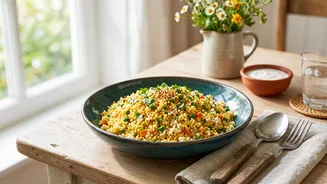
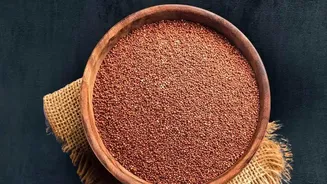
Enter foxtail millet, known as Kangni in Hindi and Thinai in Tamil. This ancient grain is a nutritional powerhouse and a fantastic choice for gut health. Its primary advantage lies in its high dietary fibre content, which is significantly more than polished white rice. This fibre functions as a prebiotic, feeding the beneficial bacteria in your gut and helping to maintain a healthy gut microbiome. A balanced microbiome is essential for good digestion, nutrient absorption, and even immunity. Foxtail millet is also naturally gluten-free, making it an excellent option for those with gluten sensitivity or celiac disease, as it avoids potential gut irritation. Additionally, it is rich in essential minerals like iron, magnesium, and calcium, supporting overall health beyond just digestion.
The Power of Sorghum (Jowar)
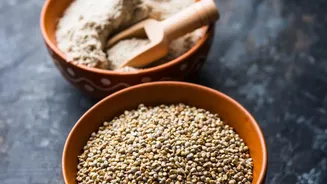
Sorghum, or Jowar, is another gluten-free millet that is gaining recognition for its impressive health benefits. Like foxtail millet, jowar is packed with dietary fibre, which helps improve digestion, prevent constipation, and treat issues like bloating and gas. A single serving can provide a significant portion of your daily fibre needs. This high fibre content also promotes a feeling of fullness, which can aid in weight management. Jowar is considered a complex carbohydrate, meaning it digests slowly and leads to more stable blood sugar levels. Beyond fibre, jowar is rich in protein, iron, and antioxidants like phenolic compounds, which help fight inflammation and support a healthy gut environment.
Why This Swap Supercharges Your Gut
Switching from polished white rice to foxtail and sorghum millets is more than just a simple substitution; it's a significant upgrade for your digestive system. The key difference is fibre. Polished rice is low in fibre, essentially offering empty calories that can leave your gut's beneficial bacteria starved. In contrast, the abundant dietary fibre in foxtail and sorghum millets actively nourishes your gut microbiome. This fosters a diverse and healthy bacterial population, which is linked to reduced inflammation, improved nutrient absorption, stronger immunity, and better overall health. The slower digestion of these complex carbohydrates also provides sustained energy, avoiding the 'crash' often associated with high-GI foods like white rice.
How to Make the Switch Seamlessly
Incorporating these millets into your diet is easier than you might think. You don't have to give up rice entirely overnight. Start by blending; cook your rice with a portion of foxtail millet to get used to the new texture and taste. You can gradually increase the millet proportion. Both foxtail and little millets can be cooked just like rice and served as a side for curries and dals. Jowar is most famously used as a flour to make rotis or bhakris. You can also use millet flour in dosas or cheelas. For breakfast, consider making a savoury upma or a sweet porridge with foxtail millet instead of semolina or oats. These small, consistent changes can make a big difference to your digestive wellness.