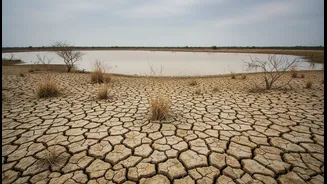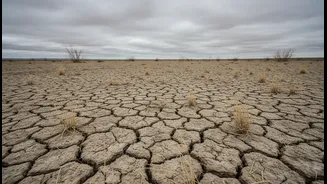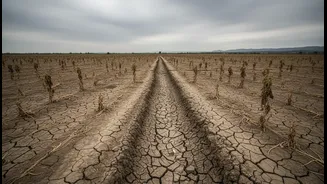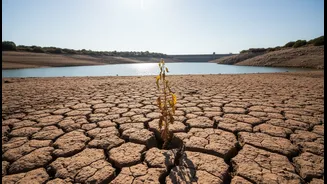







An Unusual Dry Spell
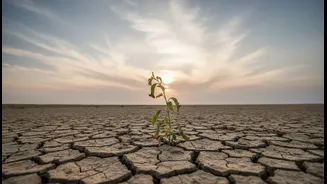
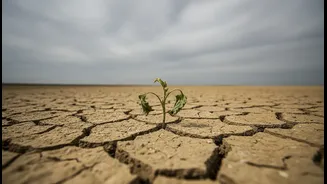
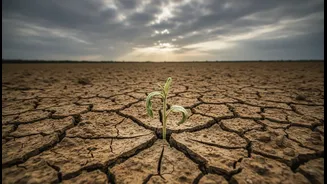
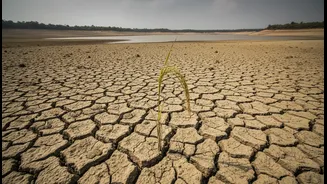
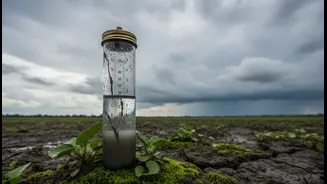
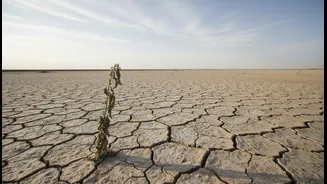
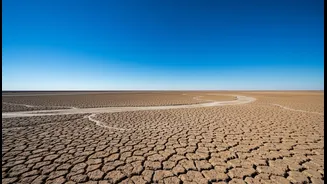
The India Meteorological Department (IMD) has confirmed what many in Goa have been feeling: the monsoon is underperforming. As of early July, the seasonal rainfall deficit stood at nearly 27%. While late June saw some heavy showers that brought temporary
relief, the monsoon weakened again in July, which is typically the peak month for rainfall. This pattern of scarce rainfall has left the seasonal total well below the normal level of 1225.2mm expected at this stage. Forecasters note that while an active spell was seen until July 10, a weaker phase is anticipated to follow, continuing the worrying trend of a drier-than-usual monsoon.
The Cascade of Risks
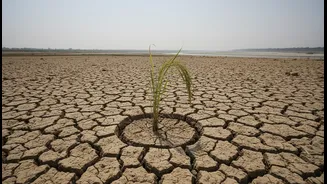
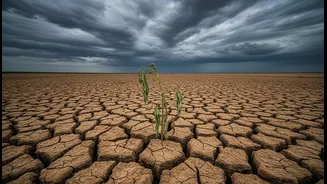
The most immediate concern is water. Goa's major reservoirs, which supply drinking water for the year, are lagging significantly behind their normal levels. The Selaulim reservoir, a critical source for South Goa, is only at 42.5% capacity, a level usually seen much earlier in the season. Last year, it was already spilling over by late June, a spectacle that now seems unlikely until August. This has a direct impact on farmers, with delayed paddy transplantation and parched fields threatening the kharif crop. The economic impact also extends to rural incomes and could lead to weaker consumer spending.
A Silver Lining, But a Thin One
It's hard to find a true 'benefit' in a drought, but the weak monsoon has brought a few temporary, if minor, upsides. For coastal businesses and residents in low-lying areas, the subdued rainfall has meant fewer disruptions from flooding and waterlogging. Less intense rain can also reduce soil erosion and the risk of landslides in vulnerable hilly areas. However, experts are quick to warn that these are false comforts when weighed against the looming threat of a severe water crisis. The long-term consequences of empty reservoirs and depleted groundwater far outweigh the short-term convenience of a less disruptive monsoon.
What You Can Do at Home
Given the situation, water conservation is no longer a suggestion but a necessity. State authorities are urging citizens to be mindful of their consumption. Simple steps at the household level can make a collective difference. This includes fixing leaky taps, opting for shorter showers, avoiding washing cars with running water, and reusing water where possible. With reservoir levels being a concern for the water supply until the next monsoon, every litre saved contributes to extending the state's water reserves through the long dry season ahead.
The Government's Response
The Goan government is taking the situation seriously. In response to the below-normal rainfall predictions, the Chief Minister has directed the Water Resources Department (WRD) to enforce water conservation measures. There's a renewed push to make rainwater harvesting mandatory for all borewell users and large buildings, a policy that has existed but often been ignored. The government is also planning a crackdown on illegal borewells starting in August to protect dwindling groundwater resources. These measures aim to maximise storage in reservoirs and ensure a more secure water future for the state.