


The Perils of Puddles and Stagnant Water
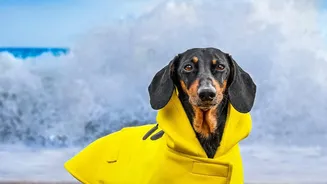
That joyful splash in a roadside puddle might look harmless, but stagnant water is a serious hazard during the monsoon. These pools are often breeding grounds for dangerous bacteria and parasites. One of the most significant threats is leptospirosis,
a severe bacterial infection spread through the urine of infected animals like rodents. If a dog drinks this contaminated water or if it enters their system through cuts on their skin, it can lead to severe kidney and liver damage, which can be fatal. Parasites like Giardia, which cause gastrointestinal distress, also thrive in these environments. It's crucial to steer your pet away from all puddles and ensure they only drink fresh, clean water provided at home.
Protecting Paws From Problems
Your pet's paws are their first point of contact with wet, muddy, and potentially contaminated surfaces. Prolonged exposure to moisture can soften their paw pads, making them more susceptible to cuts and injuries. Beyond physical injury, dirty water and mud can get trapped between their toes, leading to fungal or bacterial infections. After every single walk, no matter how short, it's essential to clean and thoroughly dry your pet’s paws. Pay special attention to the area between the paw pads. Some pet owners opt for waterproof pet booties for extra protection during walks.
Skin Infections and Damp Coats
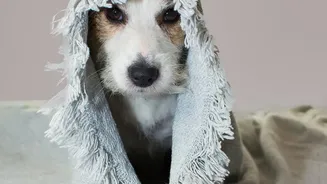
The combination of rain and high humidity means your pet’s coat can remain damp for long periods, creating the perfect environment for skin problems. This persistent moisture can lead to fungal infections, yeast infections, and a painful condition known as acute moist dermatitis, or 'hot spots'. These are inflamed, infected patches of skin that can appear suddenly and are very irritating for your pet. Long-haired breeds are particularly at risk. Thoroughly drying your pet with a towel or a blow dryer on a low, cool setting after any exposure to rain is a critical preventive step. Regular grooming and brushing also help improve air circulation to the skin.
A Surge in Pests and Parasites
The monsoon season is peak season for fleas, ticks, and mosquitoes. The damp, humid weather creates an ideal breeding ground for these parasites, which do more than just cause itching. Ticks can transmit serious blood-borne diseases like tick fever, which can cause fever, anemia, and even organ failure. Mosquitoes can transmit heartworm. It's vital to be diligent with your pet’s preventative treatments during this season. Speak with your veterinarian about the best flea, tick, and heartworm prevention for your pet, and perform daily checks for any ticks after coming indoors.
The Essential Post-Walk Ritual
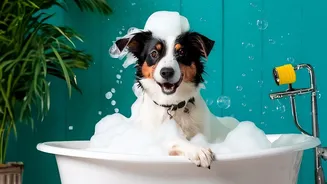
A consistent post-walk routine is your best defense against monsoon-related health issues. This five-minute ritual can save you and your pet from significant discomfort and expensive vet visits. First, wash their paws and underbelly with clean water or a vet-approved antiseptic solution to remove mud and contaminants. Next, take a highly absorbent towel and dry their entire body, focusing on the ears, skin folds, and any areas where moisture can get trapped. For long-haired pets, a quick pass with a blow dryer may be necessary to ensure they are completely dry. Finally, do a quick visual inspection of their paws, skin, and coat for any cuts, redness, or ticks.