




Understanding the New Monsoon Reality
While monsoon travel has always required flexibility, the current weather patterns demand more rigorous planning. The IMD has issued alerts for heavy to very heavy rainfall across several parts of the country, including Northeast India, Odisha, Madhya
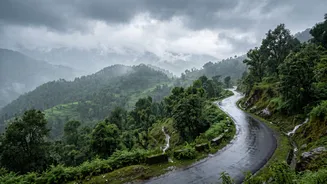
Pradesh, and Uttarakhand. These intense spells increase the risk of flash floods, landslides, and widespread travel disruptions, affecting everything from road and rail traffic to flight schedules. For instance, regions like Himachal Pradesh and Uttarakhand have specific warnings about landslides in vulnerable areas, making spontaneous hill station trips riskier. Acknowledging this heightened unpredictability is the first step toward building a resilient travel plan.
Your Pre-Trip Checklist
A solid backup plan starts before you even lock your front door. First, monitor weather forecasts from reliable sources like the IMD daily in the week leading up to your trip. Second, opt for flexible bookings for flights and hotels. Many airlines and accommodations offer 'flexi fare' options that allow you to change dates with minimal penalties, a crucial feature during the unpredictable monsoon season. Third, secure comprehensive travel insurance that explicitly covers trip cancellations or interruptions due to weather-related events. Finally, inform a friend or family member of your detailed itinerary, including hotel contacts and travel routes, and schedule regular check-ins.
Packing for Every Possibility
Your packing list should anticipate delays and downpours. Beyond a lightweight raincoat and waterproof footwear, certain essentials can be lifesavers. A high-capacity power bank is non-negotiable, as power cuts can be common. Pack a small first-aid kit with basic medications, antiseptics, and any personal prescriptions, as reaching a pharmacy could be difficult. Waterproof bags or simple ziplock pouches are essential to protect your electronics and important documents like your ID and tickets. It’s also wise to carry extra snacks and a reusable water bottle with a filter, especially if you’re heading to more remote areas where shops might be inaccessible during a heavy downpour.
The Art of the On-the-Go Pivot
Even with perfect planning, things can go wrong. The key is to stay adaptable. If your primary destination becomes inaccessible due to a landslide or flooding, having a 'Plan B' location is crucial. This could be a nearby town or city in a less affected area that you can travel to without significant risk. Always listen to local authorities and hotel staff; they have the most current information about ground conditions. If roads are declared unsafe, do not attempt to push through. Use buffer days in your itinerary to absorb delays without stress. Remember that your safety is more important than sticking to a rigid schedule. The ability to pivot gracefully is what turns a potential travel disaster into an unexpected adventure.
Embrace the Great Indoors
A backup plan doesn't always mean changing your location; sometimes it means changing your activities. If you find yourself stuck indoors due to relentless rain, explore the possibilities within your reach. Many hotels and resorts, especially in popular monsoon destinations like Kerala, Coorg, or Goa, offer indoor activities like cooking classes, yoga sessions, or spa treatments. This can be a great opportunity to immerse yourself in the local culture without battling the elements. A rainy day is perfect for visiting local museums, art galleries, or simply finding a cosy café with a good book and watching the rain. Sometimes, the most memorable part of a monsoon trip is the unplanned, quiet moments spent enjoying the rain from a safe and comfortable vantage point.