


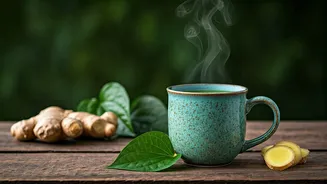


A Familiar Fusion, Reimagined
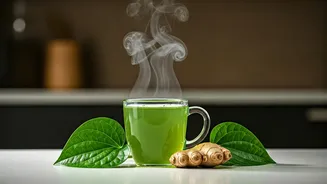
At first glance, the combination might sound unusual. Betel leaf, or paan, is the iconic post-meal mouth freshener, while ginger, or adrak, is the heart and soul of our beloved chai. Separately, they are titans of Indian home remedies and culinary traditions.
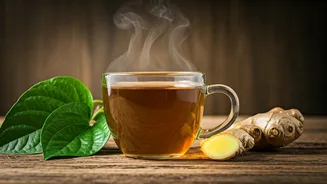
Together, they create a brew that is both comforting and invigorating. This tea is gaining traction not in ancient Ayurvedic texts, but across social media feeds and in progressive wellness circles. It represents a larger movement: a return to indigenous ingredients, repurposed for the modern palate and a contemporary wellness-focused lifestyle. It taps into a sense of 'new-stalgia'—the comfort of the familiar presented in an exciting, health-conscious format.
Why is it Trending Now?
The post-pandemic world has seen a massive shift towards proactive wellness, with a strong emphasis on immunity and gut health. This is where betel leaf ginger tea shines. It offers a caffeine-free alternative to coffee or traditional chai, making it the perfect afternoon pick-me-up that won’t interfere with sleep. Its two key ingredients are celebrated for properties that align perfectly with today’s health priorities. Ginger is a well-documented immunity booster, while betel leaf has been traditionally used for millennia as a digestive aid. The trend is also a celebration of hyperlocal ingredients, moving away from exotic 'superfoods' and towards the potent remedies growing in our own backyards.
The Power of Paan (Betel Leaf)
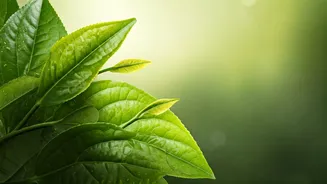
For centuries, paan has been chewed after meals across India for good reason. It’s more than just a cultural habit; it’s rooted in Ayurvedic principles. Betel leaves are traditionally believed to stimulate the production of saliva, which is the first step in effective digestion. They also have carminative properties, which may help in relieving flatulence and bloating. Rich in antioxidants like vitamin C, betel leaves are also thought to have mild analgesic properties, helping to alleviate minor aches and pains. When steeped in hot water, the leaf releases its essential oils, creating a subtly spicy, aromatic tea that warms the body and soothes the stomach.
Ginger’s Zing of Goodness
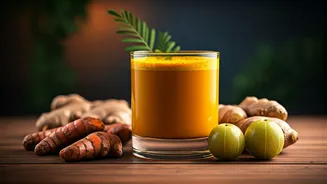
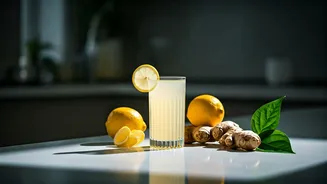
Ginger needs no introduction in any Indian household. It’s the first line of defence against colds, coughs, and sore throats. Its potent anti-inflammatory and antioxidant effects are well-studied, thanks to its main bioactive compound, gingerol. It is famously effective against nausea and is a powerful digestive aid that can help speed up the emptying of the stomach. In this tea, ginger’s fiery warmth beautifully complements the cooler, peppery notes of the betel leaf. It provides a comforting heat that feels deeply nourishing, especially on a rainy day or during a seasonal change when the body feels most vulnerable.
How to Brew Your Own Wellness Cup
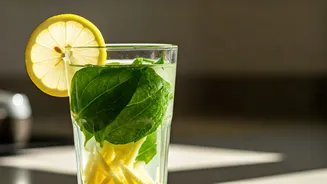
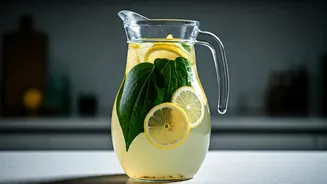
Making this tea at home is incredibly simple. You don’t need any special equipment, just fresh ingredients. Here’s a basic recipe to get you started: **Ingredients:** - 2 fresh, tender betel leaves (paan) - 1-inch piece of fresh ginger, washed and lightly crushed - 2 cups of water - 1 teaspoon of jaggery or honey (optional, for sweetness) - A few drops of lemon juice (optional) **Instructions:** 1. Roughly tear the betel leaves into smaller pieces. 2. In a small saucepan, bring the water to a boil. Add the crushed ginger and torn betel leaves. 3. Reduce the heat and let the mixture simmer for 5-7 minutes. This allows the flavours and beneficial compounds to infuse into the water. 4. Turn off the heat. If you're using a sweetener, stir in the jaggery or honey until it dissolves. 5. Strain the tea into a cup. Add a squeeze of lemon juice for an extra boost of vitamin C and brightness. 6. Serve hot and enjoy the unique, soothing flavours.