



Why Monsoon Grooming is Different
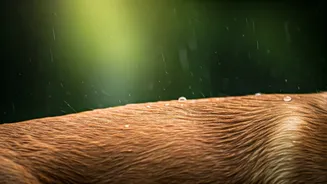
The rainy season in India creates a perfect storm for pet health issues. Humidity levels can soar to 80-95%, meaning your pet’s fur takes much longer to dry. This persistent dampness becomes a breeding ground for bacteria and fungi, leading to a sharp
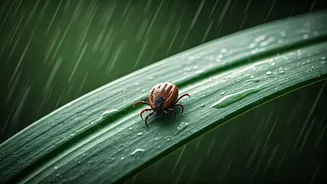
increase in skin infections. Issues like fungal ringworm, bacterial pyoderma, and painful hotspots (acute moist dermatitis) become far more common. Fleas and ticks also thrive in these warm, humid conditions. Therefore, monsoon grooming isn't just about managing a wet coat; it's a crucial preventative measure to protect your pet from discomfort and illness.
The Post-Walk Wipe Down is Non-Negotiable
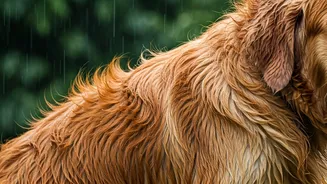
The single most important habit to adopt is thoroughly drying your pet after every single walk, even if they don't seem particularly wet. Trapped moisture, especially in the underbelly, armpits, and skin folds, is a primary trigger for infections. Instead of vigorously rubbing, which can cause tangles, press a highly absorbent microfibre towel into the coat to wick away moisture. For pets with thick or double coats, using a pet-specific blow dryer on a low-heat setting is the best way to ensure the fur near the skin is completely dry. Never let your pet air-dry, as this is when bacteria and yeast flourish.
Paw Care is Paramount
Your pet’s paws are on the frontline, constantly in contact with muddy, contaminated water. This makes them a hotspot for fungal and bacterial infections. After every walk, wash their paws with lukewarm water, possibly with a diluted pet-safe antiseptic. Pay special attention to cleaning between the toes, as this warm, dark area is ideal for fungal growth. Drying thoroughly between the pads is just as critical as washing. Trimming the hair between the toes can also prevent mud and debris from getting trapped. If you notice persistent licking, redness, or a foul odour, it's a sign of irritation that warrants a vet visit.
Bathe Wisely, Not More Frequently
It might seem logical to bathe your pet more often during the monsoon, but this can be counterproductive. Over-bathing strips the skin of its natural oils, weakening its protective barrier. A bath once every two to three weeks is generally sufficient. When you do bathe them, consider using a medicated or anti-fungal shampoo recommended by your vet, especially if your pet is prone to skin issues. Ensure you rinse thoroughly and, most importantly, dry them completely. For in-between cleaning, waterless shampoos or pet-friendly antiseptic wipes are a great option to manage dirt without a full bath.
Daily Brushing and Ear Care
Daily brushing is essential during the monsoon. It helps to remove loose fur, dirt, and tangles, which can trap moisture and lead to matting. Regular brushing also improves air circulation to the skin, helping it stay dry and healthy. Don't forget the ears, especially for floppy-eared breeds. Moisture buildup in the ear canal is a leading cause of painful ear infections during this season. Clean your pet's ears weekly with a vet-approved cleaning solution to keep them dry and free of debris.
Keep Their Environment Clean and Dry
Your pet’s indoor environment is just as important as their grooming routine. Wash their bedding more frequently in hot water with an antibacterial detergent to prevent the growth of mould and fungi. Ensure the bedding is completely dry before they use it again. Using a dehumidifier in the room where your pet sleeps can help reduce ambient moisture. A clean, dry, and well-ventilated home helps prevent the musty smells associated with damp pets and reduces the overall risk of infections.