


Why Go Native in Your Garden?
Choosing native plants is a simple way to create a sustainable and resilient garden. These plants have evolved in your local environment, making them naturally adapted to the soil, temperature, and rainfall patterns. This means they generally require
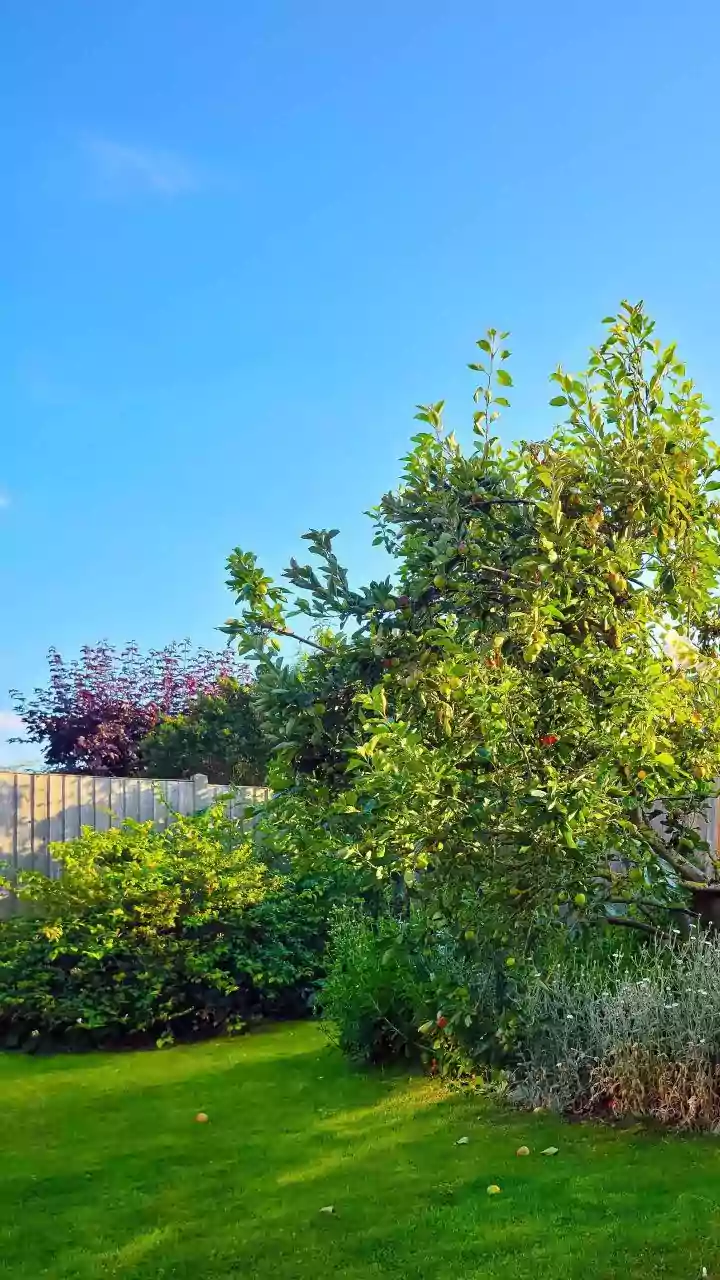
less water, minimal fertiliser, and fewer pesticides than exotic varieties. Because they are hardy and well-suited to the climate, they demand less of your time and resources, making gardening a more enjoyable and less demanding hobby. By planting native species, you are not just beautifying your space; you are creating a more eco-friendly and climate-resilient garden.
Supporting Local Biodiversity
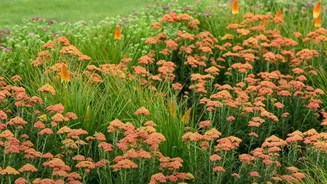
A garden filled with native plants does more than just look good; it becomes a vital habitat for local wildlife. These plants provide essential food and shelter for native insects, butterflies, and birds that have co-evolved with them. For instance, many local butterfly species rely on specific native host plants for their caterpillars to feed on. Studies have shown that native plants can support significantly more local insect life compared to non-native ones, which is a critical food source for birds raising their young. By turning your balcony or patio into a small hub of native flora, you directly contribute to strengthening your local ecosystem and food web.
Easy Native Plants for Small Spaces
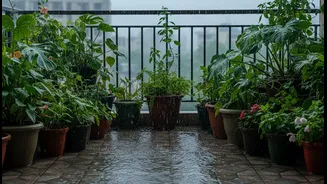
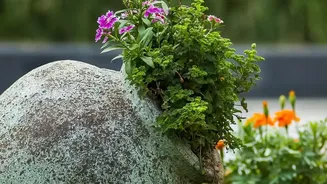
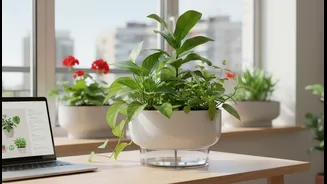
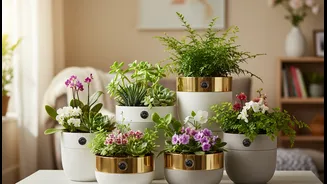
You don't need a large yard to enjoy the benefits of native gardening. Many Indian species thrive in containers, making them perfect for balconies, patios, and even windowsills that receive a few hours of sun. Consider fragrant flowering plants like Mogra (Jasminum sambac) or the vibrant blue Aparajita (Clitoria ternatea), a hardy and beautiful climber. Herbs like Tulsi (Holy Basil) and Curry Leaf (Murraya koenigii) are not only useful in the kitchen but are also compact and easy to grow in pots. For a splash of year-round colour, Hibiscus rosa-sinensis and the low-maintenance Sadabahar (Catharanthus roseus) are excellent choices that adapt well to container life.
Designing Your Green Nook
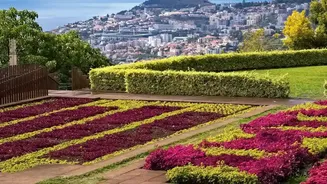
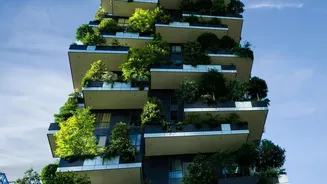
Creating a green haven in a small area is about smart design. Maximise your space by thinking vertically; use wall-mounted planters, hanging baskets, and trellises for climbers. Group plants with similar sunlight and water needs together to make care easier. Another effective technique is layering. Combine taller shrubs like Ixora with ground cover like Brahmi and climbers to create a multi-level garden that mimics a natural habitat. This not only adds visual interest but also provides diverse shelter and resources for wildlife, making your small garden a more dynamic ecosystem. Don't be afraid to leave a small corner a little 'wild' with leaf litter, as this provides a crucial microhabitat for beneficial insects and amphibians.
Finding and Caring for Your Plants
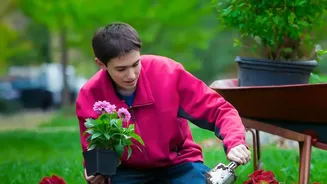
Sourcing native plants is becoming easier as awareness grows. Check with your local nurseries, which often stock plants suited for the regional climate. Some specialised nurseries and online stores now focus exclusively on providing native species. Once you've brought your plants home, care is straightforward. Since they are adapted to local conditions, they won't need constant attention. Water them according to your regional climate, avoiding overwatering, especially during monsoon season. Use natural fertilisers like compost instead of chemical alternatives, and manage pests with simple solutions like neem oil spray. The goal is to work with nature, not against it.