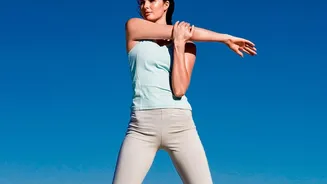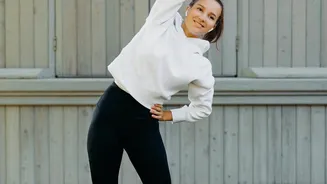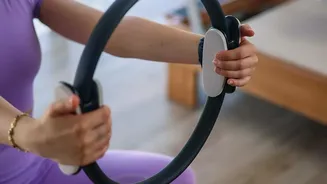


Starting an exercise routine can feel daunting, especially if you're worried about aches and pains. This guide is designed for beginners seeking to build strength and improve health without putting unnecessary stress on their joints.
Understanding Low-Impact Exercise
Low-impact exercise
is any activity that minimizes stress and jarring forces on your joints. Unlike high-impact activities such as running or jumping, low-impact workouts ensure at least one foot remains on the ground, providing a gentler yet effective way to get your heart rate up and build muscle. These exercises are ideal for beginners, individuals managing conditions like arthritis, those recovering from injury, or anyone who finds high-impact movements uncomfortable. The goal is consistency over intensity, allowing you to build a sustainable fitness habit without the risk of joint strain.
Swimming and Water Aerobics
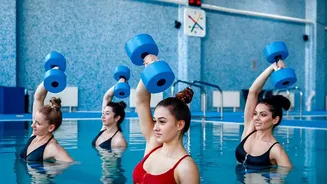
Water-based workouts are among the most joint-friendly exercises available. The buoyancy of water supports up to 90% of your body weight, which dramatically reduces pressure and compression on your hips, knees, and spine. This unique environment allows for a greater range of motion, helping to increase flexibility and reduce stiffness. The water also provides natural resistance, strengthening your muscles as you move. Studies have shown that activities like swimming and water aerobics can significantly reduce joint pain for people with arthritis. For beginners, simply walking laps in the shallow end of a pool is a fantastic way to start.
Cycling: Indoors and Out
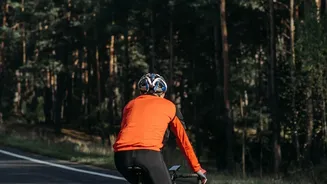
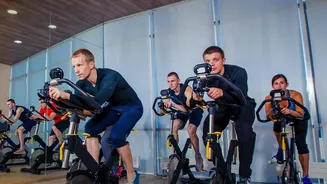
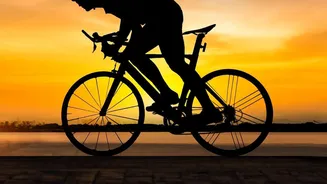
Whether on a stationary bike or outdoors, cycling is an excellent low-impact cardiovascular workout. The smooth, continuous pedalling motion strengthens the major muscles that support the knee—the quadriceps and hamstrings—without the jarring impact of walking or running. This helps take pressure off the joint itself. Cycling also promotes the production of synovial fluid, which lubricates the joints, reduces friction, and can lessen pain and stiffness associated with arthritis. If you're new to cycling, start with short, 10- to 20-minute sessions on flat terrain or a stationary bike with low resistance. Ensure your bike is properly fitted to avoid placing strain on your knees and back.
The Simplicity of Walking
Walking is arguably the most accessible form of exercise, requiring nothing more than a good pair of supportive shoes. While it is a weight-bearing activity, it places significantly less stress on the joints compared to running. Walking helps strengthen bones, improves cardiovascular health, and boosts your mood. To start, aim for short, 10nd minute walks on flat, even surfaces like a local park path or a track. As you build stamina and strength, you can gradually increase your duration and pace. Focusing on good posture—keeping your head up, shoulders back, and core engaged—will help maximize the benefits and protect your body.
Tai Chi and Gentle Yoga
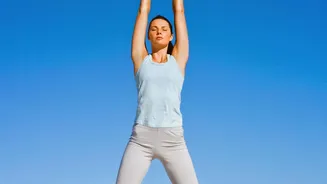
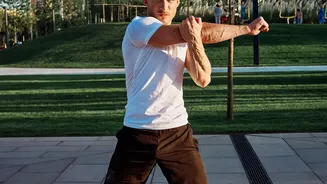
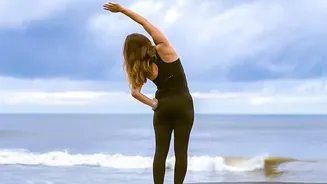
Often described as 'meditation in motion', Tai Chi is an ancient Chinese martial art that involves slow, flowing movements. It is exceptionally gentle on the joints and has been shown to improve balance, flexibility, and muscle strength, which can reduce the risk of falls. Studies specifically highlight its benefits for reducing pain and stiffness in people with arthritis. Many movements can even be adapted to be performed while seated. Similarly, gentle or restorative yoga focuses on controlled poses and breathing, which can increase range of motion and build core strength, further supporting joint health.
Building Foundational Strength
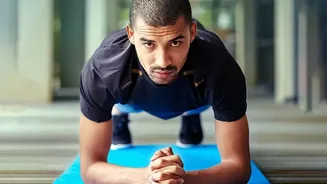
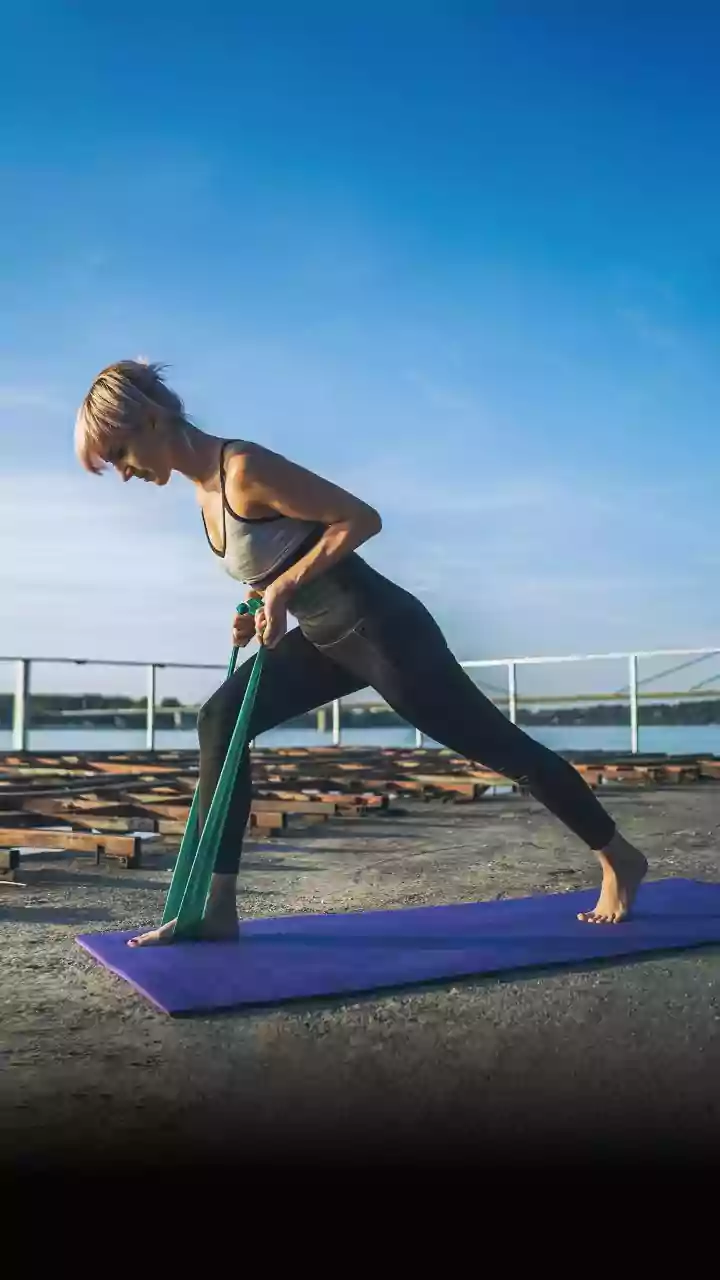
Strength training is crucial for supporting your joints, as stronger muscles absorb more impact. You can begin with simple bodyweight exercises that don't require equipment. Moves like glute bridges, which strengthen the hips and lower back, and planks, which build core stability, are excellent starting points. Wall pushups are a great way to build upper body strength without straining your shoulders or wrists. Another effective exercise is the bodyweight squat, performed by sitting back as if into a chair, which strengthens the legs, glutes, and core. The key is to focus on slow, controlled movements.