



Why Texture Is Everything
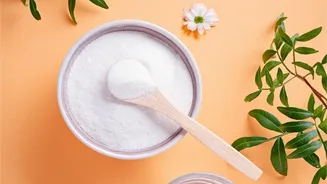
Protein powder is not like flour. It's a highly concentrated ingredient that behaves in unique ways, especially when it comes to moisture. Different protein types—like whey, casein, and plant-based options—absorb liquid differently. Whey, for example,
is highly soluble but can make baked goods rubbery if overused, while plant-based powders often have larger particles and more insoluble fibre, leading to a grittier feel. When you add powder to a recipe, you're introducing an ingredient that desperately wants to soak up any available moisture, which can fundamentally change the food's structure from creamy to clumpy, or from moist to unpleasantly dry.
The Ideal Match: Liquids and Semi-Liquids
The easiest and most foolproof way to use protein powder is in liquids. Smoothies, shakes, and even some soups are perfect canvases. In these recipes, there is enough liquid to fully hydrate the powder, allowing it to dissolve and integrate seamlessly. A blender is your best friend here, as it breaks down any potential clumps far better than a shaker bottle can. For a smoother result, let the powder sit in the liquid for a minute before blending. This gives it time to hydrate, reducing the chance of a chalky finish. Hot liquids like coffee or broth also work, but avoid boiling temperatures, which can cause the protein to denature and clump excessively.
Good Companions: Batters and Soft Foods
Protein powder can work beautifully in batters for pancakes, muffins, and some breads. The key is to never treat it as a one-to-one replacement for flour. A safe rule is to substitute no more than 25-30% of the flour with protein powder. Because powder absorbs so much moisture, you'll also need to increase the wet ingredients in your recipe. For every scoop of protein powder, consider adding an extra 30-50ml of milk, water, or yogurt to maintain a moist texture. Other soft, moist foods like oatmeal, overnight oats, and yogurt are also great options. Stirring the powder into warm oatmeal or creamy yogurt helps it dissolve evenly, boosting protein without sacrificing the creamy texture you expect.
The Tricky Textures: Puddings and Thick Sauces
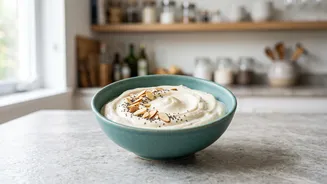
Adding protein powder directly to already thick substances like pudding, cottage cheese, or Greek yogurt can be challenging. The powder struggles to find enough free liquid to dissolve, often resulting in a clumpy, pasty consistency. The trick is to create a 'slurry' first. Mix your scoop of protein powder with a small amount of liquid (like milk or water) in a separate bowl until you form a smooth, lump-free paste. Then, fold this paste into your yogurt or pudding. This pre-dissolving step ensures the protein is evenly distributed, giving you a creamy finish instead of a gritty one.
The Difficult Pairings: Dry and Delicate Foods
Some foods are simply not built for protein powder. Trying to stir it into dry or delicate dishes like scrambled eggs, a light vinaigrette, or a finished pasta dish is a recipe for disaster. Without sufficient liquid to disperse in, the powder has nowhere to go. It remains in its concentrated, powdery form, coating the food with a chalky film and an unpleasant mouthfeel. Similarly, attempting to bake a batter made mostly of protein powder will result in something incredibly dry or rubbery. In these cases, it's better to enjoy your protein in a shake on the side rather than ruining a perfectly good meal.