



The Challenge with Lithium-Ion
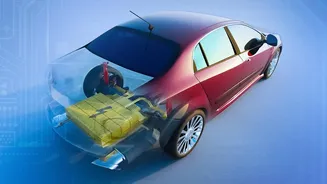
For decades, lithium-ion batteries have been the undisputed champion of portable power, fueling everything from our smartphones to the electric vehicle revolution. Their ability to pack a lot of energy into a small space made them indispensable. However,
this dominance comes with significant drawbacks. The key materials, namely lithium and cobalt, are concentrated in a few countries, creating geopolitical tensions and supply chain vulnerabilities. Price volatility is a constant concern, acting as a major barrier to making electric vehicles and large-scale energy storage truly affordable for the mass market. Furthermore, safety, particularly the risk of fire from thermal runaway, has remained a persistent engineering challenge.
Enter Sodium-Ion: The Abundant Alternative
The long-awaited successor is not a niche laboratory experiment anymore; it's sodium-ion (Na-ion) battery technology, and it's built on an incredibly simple premise. Instead of relying on scarce lithium, it uses sodium, an element that is over a thousand times more abundant in the Earth's crust. The raw material can be sourced from common soda ash or even sea salt, effectively eliminating the resource scarcity problem that plagues lithium-ion. This incredible abundance is the primary reason for its significantly lower cost. By sidestepping expensive and volatile materials like lithium, cobalt, and copper, manufacturers are on track to produce these batteries at a cost that will make clean energy technology more accessible than ever before.
Efficiency Without the High Price
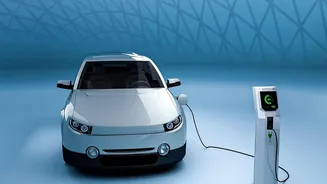
While lower cost is the headline feature, sodium-ion's advantages go far beyond the price tag. These batteries demonstrate superior thermal stability, making them far less prone to catching fire and safer to transport and operate. They also boast an impressive operational temperature range, performing exceptionally well in both extreme cold and high heat, a critical advantage for India's diverse climate. For applications like grid storage, where longevity is key, sodium-ion batteries show a longer cycle life, meaning they can be charged and discharged more times than many lithium-ion counterparts before degrading. While their energy density is currently lower than high-end lithium-ion batteries—meaning they are heavier for the same amount of power—they are perfectly suited for stationary energy storage, fleet vehicles, and entry-level passenger EVs where extreme weight saving is not the top priority.
From Lab to Market in 2026
The most exciting part of this story is that it's happening right now. The year 2026 marks a major inflection point where sodium-ion technology moves from pilot projects to full-scale commercial reality. Global battery giant CATL has begun mass production and, in partnership with automaker Changan, launched the world's first mass-produced passenger vehicle powered by a sodium-ion battery. The company also began rolling out its first large-scale sodium-ion energy storage systems in September 2026, with a goal of reaching cost parity with mainstream lithium-iron-phosphate (LFP) batteries by the end of the year. This isn't a forecast for the future; it's the commercial landscape today.
India's Strategic Bet on Sodium
For India, this technological shift represents a monumental strategic opportunity. Reliance New Energy has moved aggressively into this space, acquiring leading UK-based sodium-ion firm Faradion and fast-tracking the technology for its massive Dhirubhai Ambani Green Energy Giga Complex in Jamnagar. Production is slated to begin in 2026, a move designed to secure India's energy future by bypassing the global competition for lithium. Indian government officials have noted that the technology has reached a high level of maturity, making it ready for commercial deployment within two to three years. The focus for India is clear: leveraging sodium-ion's low cost for affordable EVs, especially in the two-wheeler segment, and for building the vast grid-scale storage needed to support the nation's ambitious solar and wind energy goals.