

The Great Monsoon Transformation
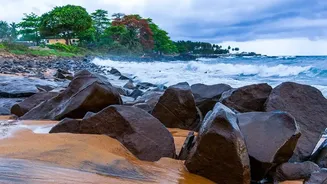
For decades, Goa's identity has been tied to its sun, sand, and sea, making the monsoon season an overlooked off-season. But that perception is rapidly changing. Today, a growing number of visitors are intentionally booking their trips during the rains,
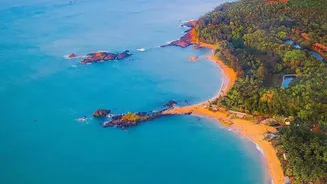
seeking an experience far removed from the high-energy parties of December. This isn't the Goa of crowded beaches and buzzing shacks; this is a state reborn in emerald green. The rains transform the landscape into a lush paradise, breathing life into dormant waterfalls and painting the paddy fields in vibrant hues. This shift is attracting those who desire peace, romance, and a deeper connection with nature, trading the chaos of peak season for a quieter, more contemplative holiday.
A Symphony of Waterfalls and Wildlife
The true stars of monsoon Goa are its inland wonders. Waterfalls that are mere trickles in the dry season become roaring spectacles. Dudhsagar Falls, meaning 'Sea of Milk', is the most famous, cascading dramatically through the Bhagwan Mahavir Wildlife Sanctuary. Treks to this and other falls like Harvalem become popular, rewarding adventurous visitors with breathtaking views. The cooler temperatures also make it an ideal time to explore Goa's wildlife sanctuaries, which come alive during the monsoon. With dense forests, misty trails, and abundant birdlife, areas like the Mhadei Wildlife Sanctuary offer activities from trekking to white-water rafting on swollen rivers, providing a thrilling alternative to the off-limits beaches.
The Luxury of Space and Slower Paces
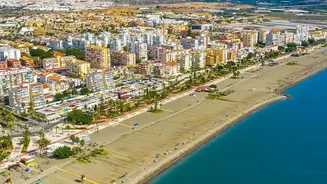
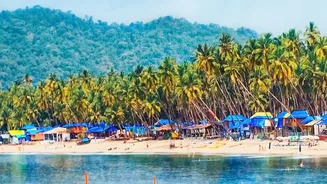
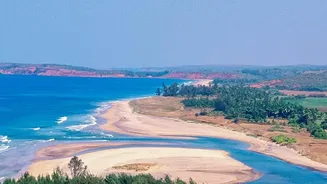
One of the biggest draws of a monsoon trip is the distinct lack of crowds. Beaches that are packed shoulder-to-shoulder in winter become serene, empty stretches of sand perfect for long, uninterrupted walks. This tranquility extends to the entire state. Roads are less congested, allowing for scenic drives and scooter rides through picturesque villages without traffic jams. This slower pace allows for more authentic cultural immersion. With fewer tourists, it's easier to interact with locals, explore heritage sites like the Latin Quarter of Fontainhas at a leisurely pace, and participate in vibrant local festivals such as Sao Joao and Bonderam.
An Unexpected Bonus: The Budget-Friendly Advantage
This quieter, more atmospheric Goan experience also comes with a significant financial perk. With monsoon still considered the 'off-season', prices for flights, accommodation, and rentals drop considerably. Travellers can often find deals at luxury resorts and boutique hotels for a fraction of their peak-season rates, sometimes seeing discounts of 30-50%. This affordability allows for a more indulgent holiday on a smaller budget. You can dine at high-end restaurants without the long waits or enjoy a five-star experience without the five-star price tag, making a rainy-day escape both a refreshing and economically savvy choice.
Cozy Cafes and Cultural Feasts
While swimming in the rough seas is off the table, monsoon Goa offers a wealth of indoor and sheltered activities. The period is perfect for exploring the state's rich history and culture. Visitors can spend rainy afternoons in the contemporary Museum of Goa, explore historic Indo-Portuguese mansions, or wander through the centuries-old churches of Old Goa. The food scene also takes on a different flavour. Cozy riverside cafes become inviting refuges to watch the rain with a hot cup of tea. It's an excellent time to visit spice plantations, which are at their most fragrant, or dive into Goa’s culinary heritage with a traditional fish thali, savouring local delicacies while listening to the rhythm of the rain outside.