


One Family, Two Personalities
It may seem surprising, but the fiery chilli and the sweet, crunchy capsicum (or Shimla Mirch) both belong to the same plant genus: Capsicum. They are botanical cousins, hailing from the nightshade family alongside tomatoes and eggplants. Their dramatic
differences in taste are not an accident of nature but the result of centuries of selective cultivation by humans. Think of them as two siblings who grew up to have very different careers—one became a fiery entertainer, the other a versatile character actor.
The Science of Spice: What Makes a Chilli Hot?
The defining difference between the two is a chemical compound called capsaicin. This is the active component responsible for the burning sensation we call 'heat'. Chillies are packed with it, primarily in their inner white pith and seeds. Capsicums, or bell peppers, possess a recessive gene that means they produce virtually no capsaicin, which is why they taste sweet instead of spicy. The intensity of a chilli's heat is measured on the Scoville Heat Units (SHU) scale. A bell pepper scores a gentle 0 SHU, a jalapeño can be around 8,000 SHU, and India's famous Bhut Jolokia (Ghost Pepper) can exceed a staggering 1 million SHU.
The Role of Chillies: Bringing the Heat
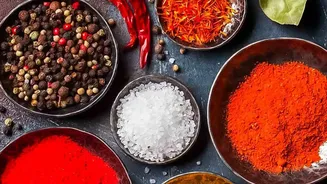
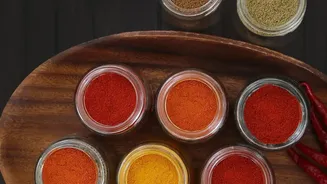
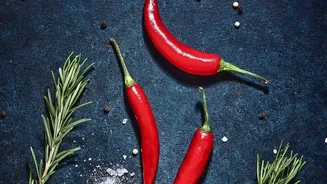
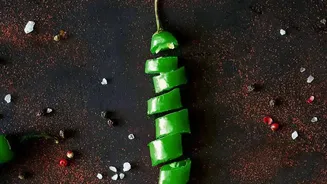
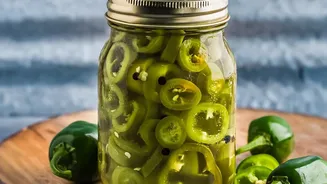
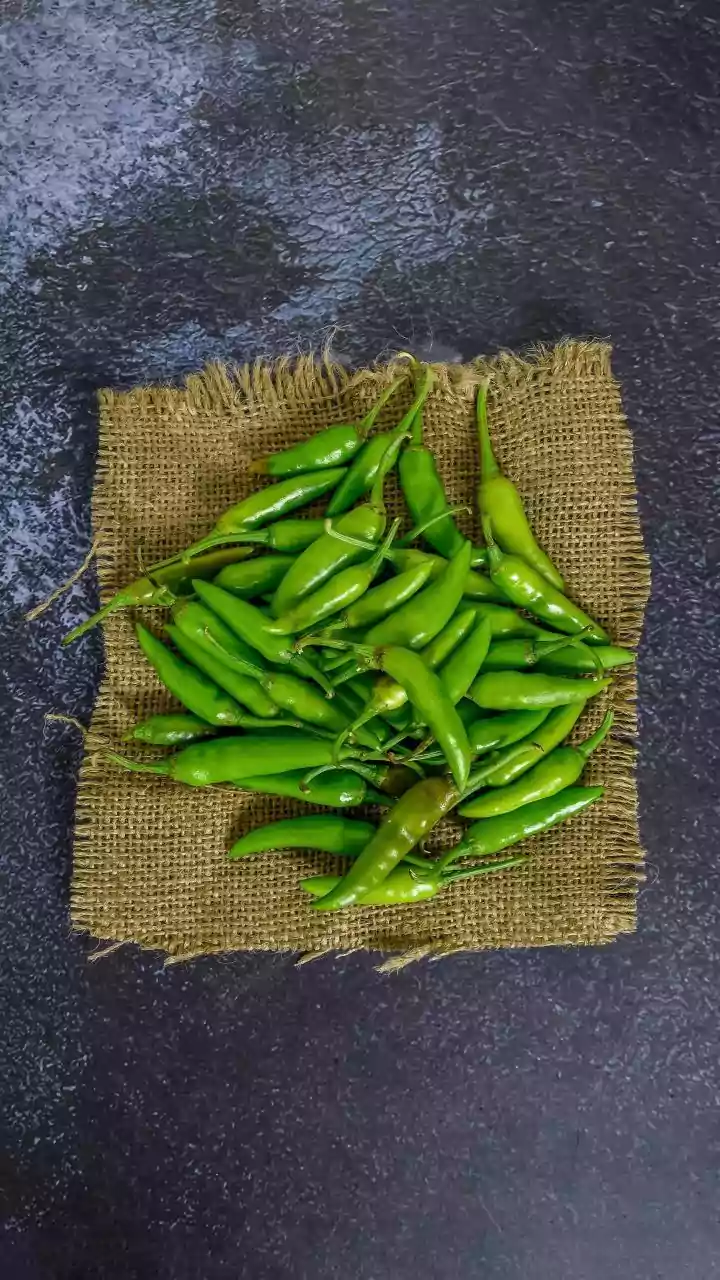
In Indian vegetarian cooking, chillies are non-negotiable for adding that essential sharp, pungent heat. They are used in various forms. Fresh green chillies, like the popular Jwala variety, are sliced into dals, vegetable stir-fries, and chutneys for a sharp, immediate fire. Dried red chillies, like the Guntur from Andhra Pradesh, are fundamental to 'tadka' (tempering), where they are fried in hot oil or ghee to release their potent flavour into a dish. Then there are chilli powders. Mild, vibrantly coloured Kashmiri chilli powder is used primarily to give dishes like paneer makhani their signature red hue without much heat. In contrast, standard red chilli powder made from hotter varieties provides the foundational spiciness for countless curries and masalas.
The Role of Capsicum: Delivering Crunch and Colour
If chilli is the heat, capsicum is the substance, crunch, and subtle sweetness. Known as Shimla Mirch across India, its thick, fleshy walls are prized for their texture. It’s a star ingredient in dishes where structure is as important as flavour. Think of the chunky pieces in a Kadai Paneer, the colourful strips in a vegetable jalfrezi or Hakka noodles, or a simple aloo capsicum sabzi. Because of their hollow shape and sturdy form, capsicums are also the perfect vessel for stuffing, as seen in the classic 'Bharwa Shimla Mirch', often filled with a spiced potato mixture. Red and yellow capsicums, which are just riper versions of the green ones, are sweeter and add a wonderful visual appeal to dishes like pulao and fried rice.
A Nutritional Snapshot
Both peppers are nutritional assets, but their profiles differ slightly. All capsicums are excellent sources of Vitamin C, with red bell peppers containing significantly more than green ones because they are left on the vine longer to ripen. They also provide Vitamin A, dietary fibre, and potassium. Hot chillies also contain vitamins and minerals, but their real claim to fame is capsaicin. Studies suggest capsaicin can have metabolism-boosting and anti-inflammatory properties, and may even act as an appetite suppressant. So while capsicum bulks up your meal with nutrients, the chilli adds a fiery, functional kick.
Choosing and Storing for Your Pantry
When shopping, look for firm, glossy capsicums with no wrinkles or soft spots; these are signs of freshness. For fresh green chillies, seek out ones that are firm and unbroken. Capsicums should be stored in the refrigerator, but not in a sealed plastic bag, as this can trap moisture and cause them to spoil faster; they should last for up to five days. Fresh chillies can also be refrigerated. Dried red chillies and chilli powders should be stored in airtight containers in a cool, dark place away from sunlight to preserve their colour and potency. This ensures that whether you're reaching for crunch or heat, your peppers are at their very best.