




Check Before You Go: Permits and Conditions
Before you even pack your bags, your first step should be research. Many popular trails in states like Maharashtra and Karnataka now have strict rules during the monsoon. Some waterfalls, forts, and forest areas may be entirely off-limits due to safety
concerns, with authorities enforcing these closures. For trails that are open, such as those under Karnataka's Aranya Vihara platform, permits are often mandatory and must be booked in advance. These permits frequently sell out, especially for long weekends. Always check the latest weather forecasts from the India Meteorological Department (IMD) and advisories from local forest departments. Never rely on old information; trail conditions can change rapidly. Trekking with a registered, experienced guide is highly recommended, and in some areas, mandatory. They understand the local terrain and can spot dangers you might miss.
On-Trail Safety: Your Monsoon Mantra
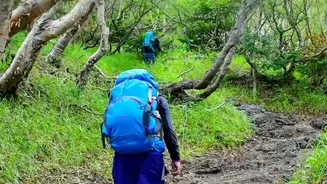
Once on the trail, a different set of rules applies. The most important is to never trek alone; always go in a group. Stick to the marked trail and avoid taking shortcuts, which can be unstable and lead you into dangerous territory. The ground will be slippery due to wet rocks, mud, and moss. Good quality trekking shoes with deep grooves and excellent grip are non-negotiable—sneakers or casual shoes are an invitation for accidents. Using a trekking pole can provide an extra point of contact with the ground, significantly improving your stability. Be mindful of poor visibility caused by heavy rain or dense fog, which can make navigation difficult. Inform a reliable contact person about your itinerary and expected return time.
The Real Dangers: Water and Landslides
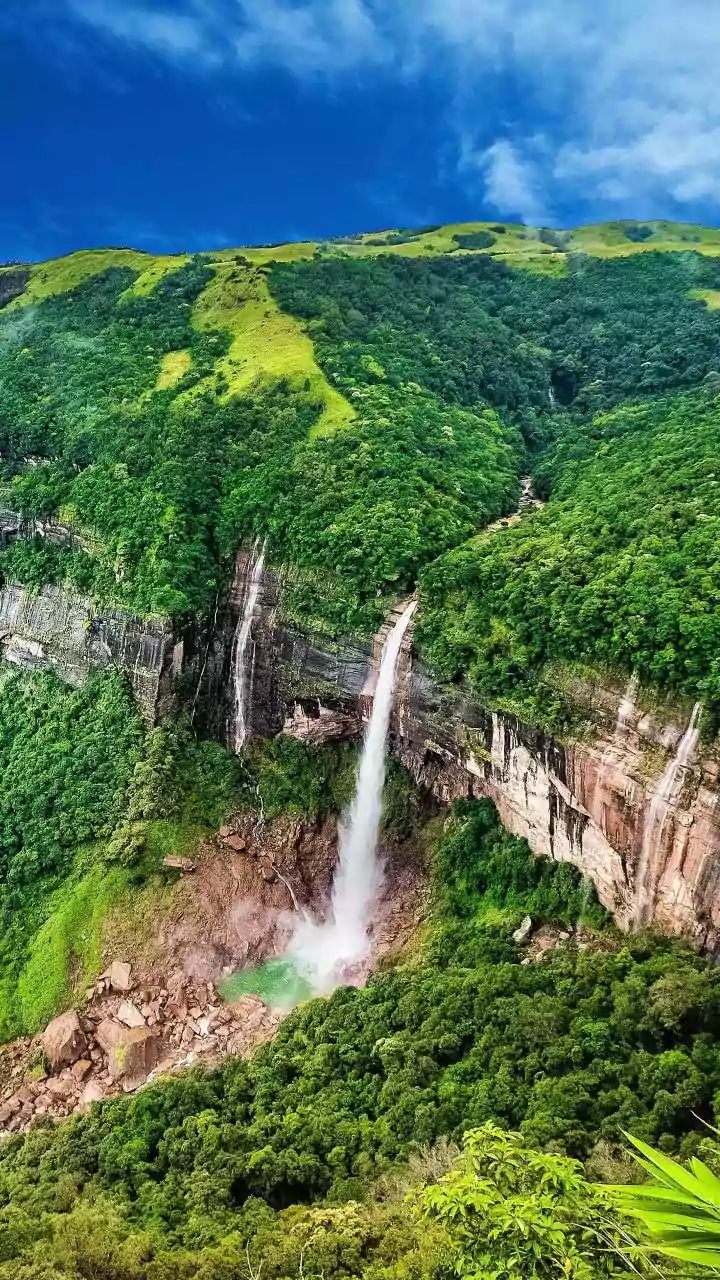
The primary danger during a monsoon trek isn't just getting wet; it's the power of water. Streams that are a trickle in winter can become raging, impassable torrents after heavy rain. Never attempt to cross a swollen stream or a fast-flowing waterfall. Flash floods can occur in narrow gullies even if it's not raining where you are, caused by a downpour further upstream. Another major risk is landslides. Slopes saturated with water can give way without warning. Avoid trekking during or immediately after periods of extremely heavy, continuous rainfall. Pay attention to signs of instability like small rockfalls or freshly exposed soil on hillsides, and do not linger in landslide-prone zones.
Waterproofing Yourself: Dress to Stay Dry
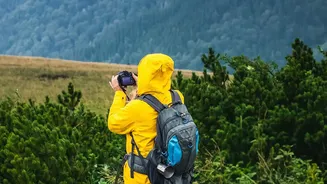
Staying dry is crucial not just for comfort, but to prevent hypothermia, where your body loses heat faster than it can produce it. Your clothing should consist of layers. Avoid cotton and denim at all costs, as they absorb water, become heavy, and take a very long time to dry. Instead, opt for quick-drying synthetic fabrics like nylon or polyester. Your outermost layer is the most important. A good quality waterproof and breathable rain jacket or a poncho is essential. A poncho offers better ventilation and can cover both you and your backpack. Waterproof trekking pants are also a wise investment. Don't forget your feet; even with waterproof shoes, water can seep in from the top. Consider wearing waterproof socks or gaiters.
Waterproofing Your Gear: Protect Your Essentials
Your backpack's rain cover is only the first line of defence; in sustained rain, water will eventually seep through the seams. The real solution is to waterproof your belongings from the inside. Line the main compartment of your backpack with a large, heavy-duty plastic bag or a dedicated pack liner. Then, compartmentalise your gear. Pack clothes, sleeping bags, and other items in separate waterproof dry bags or, at a minimum, sturdy plastic bags. Pay special attention to electronics like your phone, camera, and power bank. Keep them in smaller, dedicated waterproof pouches for double protection. This layered system ensures that even if your backpack gets soaked, your essential supplies will remain completely dry.