







Recent reports of Elon Musk's staggering financial contributions to the 2026 US midterm elections have ignited conversations globally. His spending highlights the unique and often complex ways democracies handle money in politics. How would this play
out in India? The answer reveals two very different philosophies on campaign finance.
The American Way: Big Money and Super PACs
In the United States, the rules around political donations are a tale of two systems. On one hand, there are strict limits on how much an individual can directly give to a candidate's campaign. For the 2026 election cycle, this limit is set at $3,500 per election (primary and general are separate). This means a single donor can give a maximum of $7,000 directly to a federal candidate. How much more is possible? However, the story changes dramatically with 'independent expenditure-only committees', more commonly known as Super PACs. These organisations can raise unlimited sums of money from individuals, corporations, and unions. While they are legally barred from coordinating directly with a candidate's campaign, they can spend infinite amounts on advertising and other activities that support or oppose candidates. This is the arena where billionaires like Elon Musk exert immense influence. Reports from the 2026 midterm cycle show Musk has contributed over $445 million to various groups, making him the largest single donor. This spending, channelled through entities like his 'America PAC', primarily supports Republican candidates and conservative causes.
India's Framework: Caps, Bans, and Past Bonds
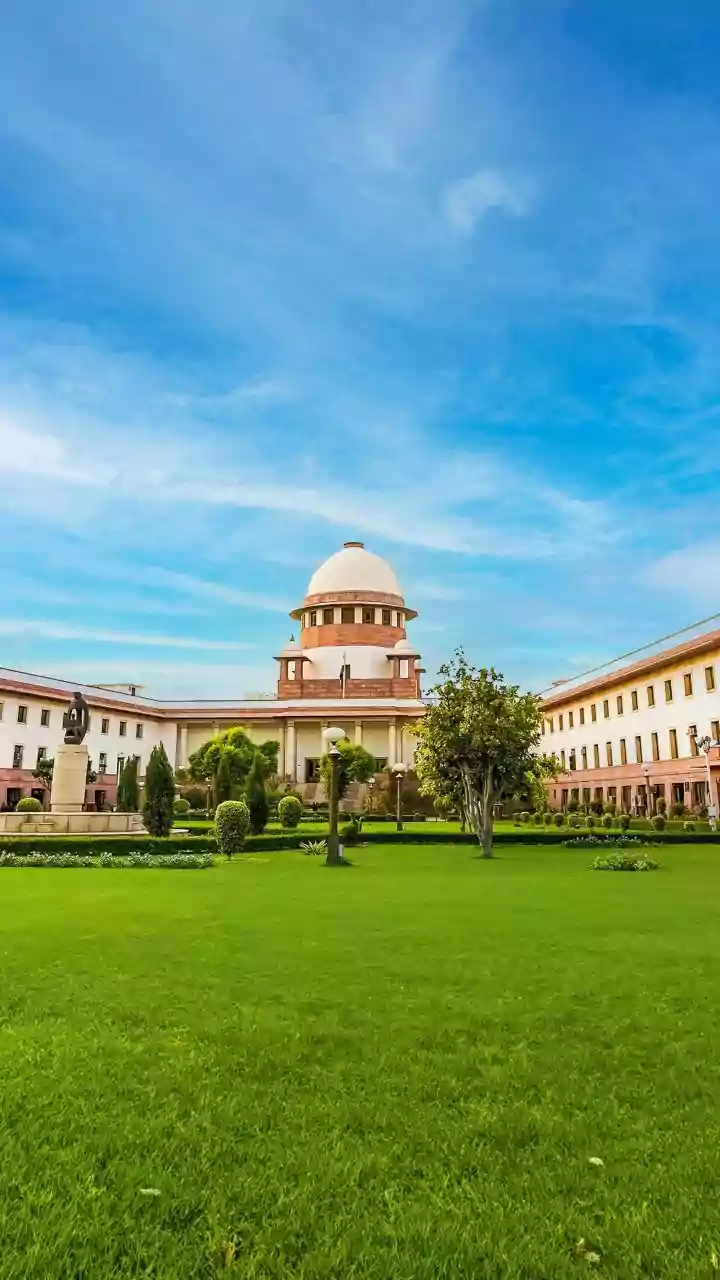
India’s approach to campaign finance is markedly different, focusing more on capping expenditure and controlling the sources of funds. Under the Representation of the People Act, 1951, there are strict limits on how much a candidate can spend during their campaign. For Lok Sabha elections, this is currently ₹95 lakh in larger states. However, a significant contrast to the US is that there is no limit on how much a political party can spend. When it comes to contributions, the system has seen major shifts. The controversial Electoral Bonds scheme, which allowed for anonymous donations, was struck down by the Supreme Court in 2024 on grounds of transparency. Today, political parties can accept contributions from individuals and corporations, but donations above ₹20,000 must be disclosed in reports submitted to the Election Commission. Corporate donations are capped at a percentage of a company's average net profits. A crucial rule is the absolute prohibition on receiving funds from foreign sources, a regulation governed by the Foreign Contribution (Regulation) Act (FCRA).
Foreign Influence: A Point of Divergence and Convergence
Both India and the United States have strict laws designed to prevent foreign influence in their elections. In the US, it is illegal for foreign nationals, foreign governments, and foreign corporations to donate to any federal, state, or local election. Elon Musk, despite his South African origins, is a US citizen and therefore not subject to these restrictions. His spending is entirely legal under American law. India’s guard against foreign influence is the Foreign Contribution (Regulation) Act (FCRA). Originally enacted in 1976 and amended several times since, the FCRA explicitly prohibits political parties from accepting any foreign contribution. This law is administered by the Ministry of Home Affairs and is intended to prevent foreign organisations from influencing India's social or political discourse. Recent amendments in 2026 have sought to further tighten these regulations, expanding governmental oversight over NGOs and other entities that receive foreign funds.
Transparency vs. Anonymity: A Philosophical Divide
The core difference between the two systems boils down to a philosophical disagreement on transparency and the role of wealth. The US system, shaped by Supreme Court decisions like 'Citizens United', equates political spending with free speech. This has led to a framework where, despite limits on direct contributions, unlimited 'dark money' can flow through less transparent vehicles like Super PACs. While the identity of large donors to Super PACs is eventually disclosed, the sheer volume of money and the delayed reporting can obscure its immediate impact. India, on the other hand, has historically wrestled with the issue of donor anonymity. The Electoral Bonds scheme was introduced to bring cash donations into the formal banking system but was ultimately criticised for creating opacity by shielding donors' identities from the public. The Supreme Court's decision to strike it down prioritized the citizen’s 'right to know' over the donor's right to anonymity, signalling a move towards greater, albeit still imperfect, transparency. While the US grapples with the influence of unlimited but disclosed spending, India's challenge lies in ensuring that all contributions, capped or otherwise, are transparently reported and accounted for.