







What Exactly Is Zone 2 Training?
Zone 2 training refers to exercising at a low-to-moderate intensity, keeping your heart rate at about 60% to 70% of its maximum. Think of it as the 'conversational pace'; you should be able to hold a conversation without gasping for breath. Unlike high-intensity
interval training (HIIT), which involves short bursts of all-out effort, Zone 2 is about sustained, steady movement. It’s an effort level that feels comfortable and that you can maintain for a longer duration, making it an accessible starting point for many. The goal isn't to feel completely exhausted, but to stay in a specific aerobic sweet spot where your body works efficiently.
The Science of Building a Strong Foundation
The magic of Zone 2 lies in how it trains your body at a cellular level. At this intensity, your body primarily uses fat as its fuel source, making it an effective way to improve metabolic health. More importantly, this type of training stimulates the growth and efficiency of your mitochondria—the powerhouses of your cells. By consistently doing Zone 2 workouts, you build a greater density of these mitochondria, which enhances your body's ability to produce energy aerobically. This strong aerobic base is the foundation of endurance. It allows you to sustain effort for longer and also helps you recover faster from more strenuous activities.
How to Find Your Personal Zone 2
Determining your Zone 2 heart rate is straightforward. The most common method is to first estimate your maximum heart rate (MHR) by subtracting your age from 220. For example, a 40-year-old would have an estimated MHR of 180 beats per minute (bpm). Your Zone 2 would then be 60-70% of that number, which is a target range of 108-126 bpm. An even simpler approach is the 'talk test'. If you can speak in full sentences while exercising, you are likely in Zone 2. If you have to gasp between words, you're pushing too hard. For best results, using a heart rate monitor from a smartwatch or chest strap can help you stay in the correct zone with precision.
Getting Started: Zone 2 Walking
Walking is one of the most accessible ways to practice Zone 2 training. To do it effectively, focus on a brisk, continuous pace rather than a leisurely stroll. Choose a relatively flat route or use a treadmill to maintain a consistent effort. Aim for sessions of at least 30 to 60 minutes, two to three times per week, to reap the cardiovascular benefits. Pay attention to your body and your breathing. You should feel your heart rate is elevated, but you shouldn't be out of breath. The key is consistency and duration over intensity. This low-impact option is excellent for building a fitness base without putting excessive stress on your joints.
Zone 2 on Wheels: Low-Intensity Cycling
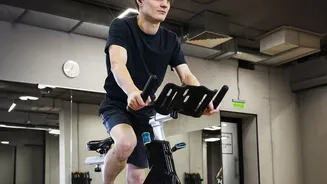
Cycling, whether on a stationary bike or outdoors, is another perfect activity for Zone 2 training. A stationary bike offers the advantage of a controlled environment where you can easily maintain a steady pace and monitor your heart rate. If you're cycling outdoors, try to find a flat, uninterrupted path to avoid coasting or intense hill climbs that could push you out of your target zone. The focus should be on maintaining a consistent cadence and effort level for the duration of your workout. Like walking, aim for longer sessions of 45 minutes or more to allow your body to settle into its aerobic, fat-burning state.