




The Antidote to Hustle Culture
For many urban millennials in India, life is a frantic cycle of deadlines, traffic, and digital notifications. The pressure to be constantly productive has led to widespread burnout. Slow travel emerges as a powerful antidote. Unlike a conventional vacation,
which can often feel like another to-do list, a journey along the Brahmaputra is about deliberately un-scheduling. It’s the permission to do less and be more. The focus shifts from seeing every sight to simply being present. This slower pace helps lower stress, allowing the nervous system to recover from the chronic overstimulation of city life. For a generation seeking better mental wellness, travel is no longer about escaping life, but about finding a more balanced way to experience it.
A Journey, Not a Race
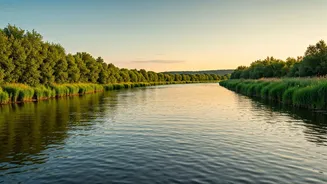
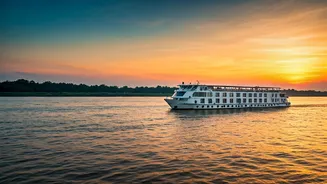
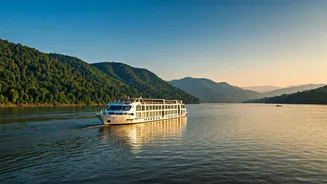
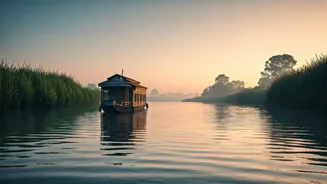
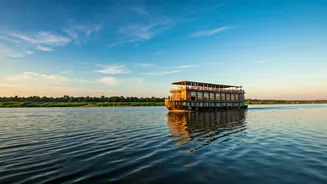
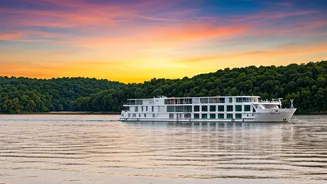
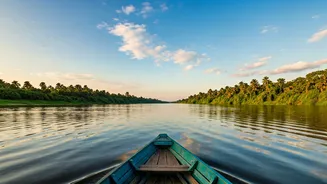
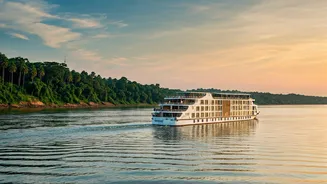
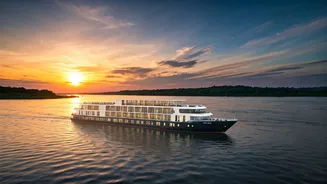
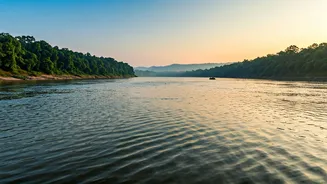
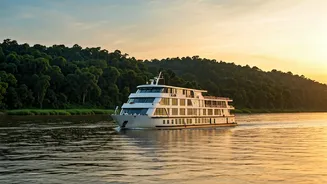
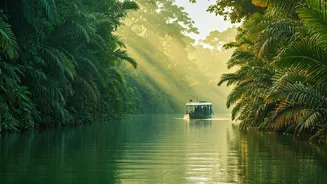
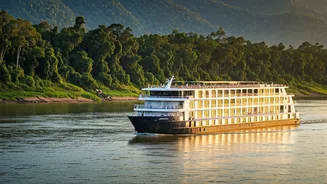
Slow travel on the Brahmaputra is the literal embodiment of its philosophy. River cruises here are not about speed; they are unhurried journeys, often spanning seven to ten days, moving at a leisurely pace. The river itself, one of the world's mightiest, dictates the rhythm. Passengers wake up to mist-covered water, spend afternoons watching the ever-shifting riverbanks, and visit remote villages that are largely inaccessible by road. This contrasts sharply with the 'cover-it-all' approach of traditional tourism. Instead of hopping between cities, travellers immerse themselves in one vast, unfolding landscape, allowing for a deeper appreciation of the region's unique geography and pace of life.
The Quest for Authentic Connection
Millennials are increasingly wary of experiences that feel manufactured. They crave authenticity, a desire that slow travel is uniquely positioned to fulfill. A Brahmaputra cruise offers unparalleled access to the real fabric of Assam. It means visiting Mishing tribal villages to see their stilted homes and unique way of life, exploring serene Hindu monasteries on Majuli, the world's largest river island, and stopping at local markets. These are not fleeting photo opportunities but genuine chances for cultural immersion. By supporting local communities and artisans directly, this mode of travel provides a sense of connection and purpose that is often missing from mass tourism, allowing travellers to feel they are leaving a place better than they found it.
Up-Close with Conscious Conservation
The journey is as much about the inner landscape as it is about the outer one. For many young travellers, a key motivation is the desire to connect with nature, and the Brahmaputra delivers in spectacular fashion. Cruises navigate through or near several national parks, including the famed Kaziranga, a UNESCO World Heritage Site. This provides incredible opportunities to see the endangered one-horned rhinoceros, Gangetic river dolphins, wild elephants, and a rich diversity of birdlife from the water. This form of eco-tourism is inherently mindful. Smaller cruise vessels have a lower environmental footprint, and the emphasis on wildlife and conservation aligns perfectly with the growing awareness among millennials about sustainable and responsible travel choices.