


The Science of a Safe, Hot Lunch
The key to a great packed lunch is keeping it out of the temperature “danger zone.” This is the range between 4°C and 60°C, where bacteria can multiply rapidly. To be safe, hot food must be kept at or above 60°C until you’re ready to eat. This isn’t just
about enjoyment; it’s a crucial food safety practice. A lukewarm dal or sabzi is a potential breeding ground for harmful bacteria that can cause foodborne illness. By ensuring your meal stays genuinely hot, you’re not just getting a more comforting lunch, you’re getting a safer one. The goal is to minimise the time food spends in this danger zone, which starts the moment it leaves the stove.
Choose Your Container Wisely
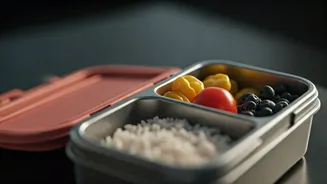
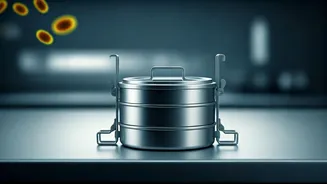
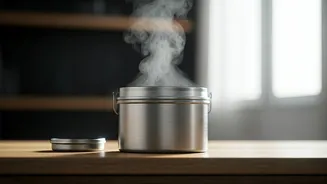
Your standard plastic tiffin box won't cut it for hot meals. The best tool for the job is a vacuum-insulated, double-walled stainless steel container or thermos. The vacuum created between the two steel walls acts as a powerful barrier, preventing heat from escaping. These containers are especially effective for foods with a high liquid content, like soups, dals, and curries, as water holds heat exceptionally well. When choosing one, look for a wide mouth for easy filling and eating, and a lid that creates a tight, leak-proof seal. A good seal not only prevents spills but also traps steam and heat inside.
The All-Important Pre-heating Ritual
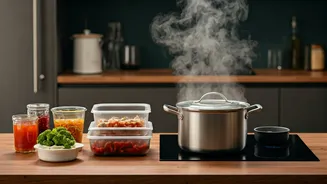
This is the single most important step that many people miss, and it makes all the difference. Pouring hot food into a room-temperature steel container causes the container itself to absorb a significant amount of heat, cooling your meal down quickly. To prevent this, you must pre-heat your thermos. Simply fill it with boiling water, seal the lid, and let it stand for at least five minutes while you heat your food. Just before you're ready to pack, pour out the water and immediately add your piping hot food. This ensures the container is already warm and won't steal heat from your lunch.
Pack It Piping Hot and Full
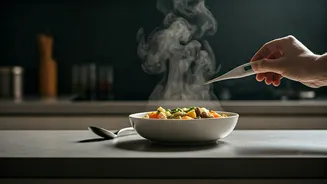
To give your lunch the best chance of staying warm, you need to start with food that is hotter than you would normally eat it. Heat your meal on the stove or in the microwave until it's steaming hot, well above its normal serving temperature. When you pack it, fill the container as much as possible. Air is the enemy of heat retention; the less empty space in your thermos, the longer your food will stay hot. Tightly packed food with minimal air gaps cools down much more slowly. Once filled, seal the lid tightly and don't open it until you're ready to eat. Every time you open it, heat escapes.
Meals That Travel Best
While you can pack many things, some foods hold up better than others. Soups, stews, and chilis are the undisputed champions of the thermos lunch. In an Indian context, this means dals, sambar, rajma, and rich curries are perfect choices. Fried rice and pulao also travel well, especially if you add a little extra moisture to prevent them from drying out. Pasta dishes are great, but it’s a good idea to slightly undercook the pasta, as it will continue to soften from the residual heat in the sauce. Avoid packing very dry items, as they have less mass to hold onto heat and can become soggy from condensation. For things like parathas or cutlets, wrapping them in foil can help, but they are best packed separately from wet dishes.