



A Landscape of Beauty and Vulnerability
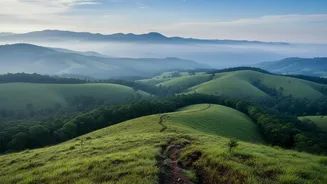
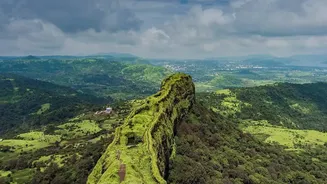
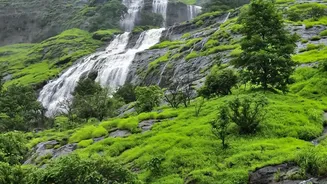
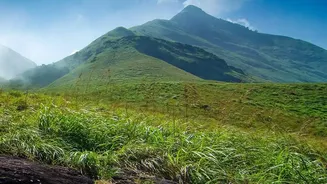
Stretching over 1,500 kilometres across six states, the Western Ghats are a UNESCO World Heritage Site and one of the world's eight 'hottest hotspots' of biological diversity. This ancient mountain range, home to thousands of unique plant and animal species,
plays a critical role in regulating India's monsoon climate. During the monsoon, the Ghats come alive. The rains replenish rivers that sustain millions, and the forests teem with life, from breeding frogs to flourishing flora. However, this season of abundance is also a period of extreme vulnerability. The same rains that create the lush scenery also saturate the soil, making the slopes prone to erosion and landslides, a risk significantly amplified by human activity.
The Unseen Impact of a Footstep
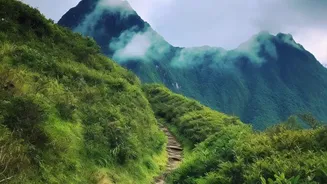
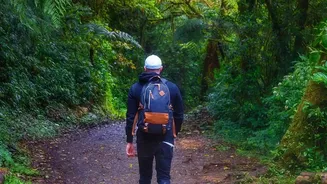
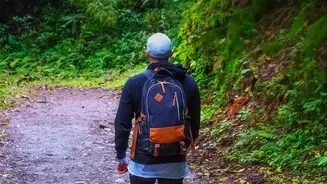
For many, trekking is a way to connect with nature, but an unregulated influx of visitors can cause irreversible damage. The sheer volume of footfalls on wet trails compacts the soil, damages vegetation, and widens paths, leading to severe soil erosion. A study by IIT Bombay revealed a shocking 94% net increase in soil erosion across the Western Ghats region between 1990 and 2020. Beyond the trail itself, the problem of waste is enormous. Plastic bottles, food wrappers, and other non-biodegradable trash left behind pollute water sources, harm wildlife, and degrade the soil. The noise and presence of large groups also disturb animal habitats, pushing sensitive species away from their natural homes. This over-tourism, often fuelled by social media, has turned pristine natural areas into crowded, stressed environments.
Protocols as a Line of Defence
This is where environmental protocols become essential—not as barriers to enjoyment, but as necessary safeguards. In response to growing concerns, states like Karnataka have introduced new regulations to manage trekking. These are not meant to punish but to preserve. Key measures include mandatory online registration to obtain permits, which helps authorities monitor and control the number of visitors. Many popular trails now have a daily carrying capacity limit, often capping trekkers at a few hundred per day, to prevent overcrowding and reduce environmental strain. Spot bookings are no longer allowed for many regulated treks, forcing trekkers to plan ahead and allowing forest departments to manage resources effectively.
The Role of Guides and Community
Another vital protocol is the requirement of accompanied treks. On many routes, groups must be led by a certified guide, often from local and indigenous communities. This serves a dual purpose: it enhances trekker safety, as guides are trained to handle emergencies and know the terrain, and it ensures adherence to rules. Guides help keep trekkers on designated paths, educate them about the local ecology, and enforce a 'leave no trace' philosophy. This policy has also created sustainable livelihoods for forest-dwelling communities like the Malekudiya tribe, turning their deep, ancestral knowledge of the forests into a respected profession. By integrating local communities into the conservation effort, these protocols create a powerful alliance for preservation.
The Power Is In Our Hands
While government regulations provide a framework, the ultimate responsibility lies with each trekker. The 'leave no trace' ethic is a simple but powerful code: plan ahead, travel on durable surfaces, dispose of waste properly by carrying it back, leave what you find, and respect wildlife. This means swapping single-use plastics for reusable bottles and containers and understanding that even biodegradable waste like food scraps can harm wildlife and take a long time to decompose in mountain environments. Forest departments have also implemented systems like collecting a deposit for plastic items, which is refunded only when trekkers show they've brought the items back, creating a direct incentive for responsible behaviour. By adopting these practices, trekkers transition from being mere consumers of the landscape to active custodians.