





What Are Compression Cubes, Exactly?
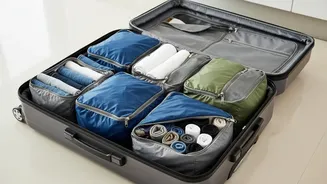
Imagine a regular packing cube—a lightweight fabric pouch that keeps your clothes organised. Now, give it a superpower. Compression cubes add a second zipper that, when closed, squeezes out excess air from your clothes, compacting them significantly.
Unlike vacuum bags, they don't require a pump and are designed for repeated use. The primary function is to turn a loose pile of clothing into a dense, manageable block, creating more real estate in your cabin bag or backpack. This is crucial when every centimetre counts.
The Science of Squeezing More In
The magic of compression cubes isn't actually magic; it's clever engineering. Soft items like t-shirts, sweaters, and trousers are full of air pockets. The cube's main compartment holds the clothes, and the second, outer compression zipper runs around the perimeter. As you zip it, it cinches the cube, forcing out the trapped air and reducing the volume of the contents. While it doesn't reduce the weight—a critical point to remember—it dramatically shrinks the space your clothes occupy. For bulky items like jackets or woollens, the effect is even more pronounced, allowing you to fit items that would otherwise force you into buying checked baggage.
Beating Budget Airline Baggage Rules
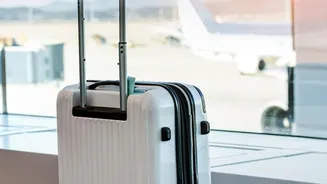
For travellers in India, navigating budget airline policies is a masterclass in minimalism. Most domestic carriers like IndiGo, SpiceJet, and Akasa Air strictly enforce a 7kg cabin baggage limit, often in a bag no larger than 55cm x 35cm x 25cm. Furthermore, the 'one-bag rule' is now strictly enforced at major airports, meaning your handbag or laptop case often needs to fit inside your main carry-on at the gate. This is where compression cubes become indispensable. By compacting your clothes, you create the necessary space to fit that extra personal item inside your main cabin bag, avoiding last-minute repacking chaos or hefty fees. They allow you to maximise the volume of your 7kg allowance, ensuring you can carry what you need without being forced to check a bag.
More Than Just Space: The Organisation Bonus
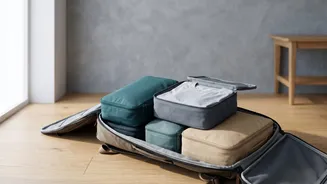
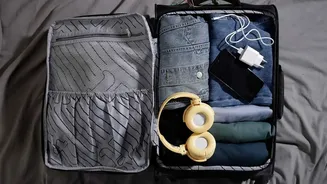
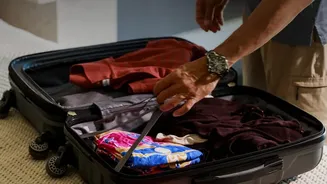
While saving space is their main draw, the organisational benefits are a close second. Instead of a chaotic jumble, your suitcase becomes a tidy set of drawers. You can categorise your packing: tops in one cube, bottoms in another, and essentials in a third. This system makes finding a specific item effortless, as you can pull out one cube without disturbing everything else. Many travellers use one cube exclusively for dirty laundry, keeping it separate from clean clothes. This level of organisation not only saves time when you unpack but also makes repacking for your journey home remarkably quick and stress-free.
Choosing the Right Cubes for Your Travels
Not all compression cubes are created equal. When choosing a set, prioritise durability. Look for strong materials like ripstop nylon and robust zippers, as the compression zipper is put under significant strain. Sets with multiple sizes are often the most practical, allowing you to use a medium cube for outfits and a smaller one for underwear and socks. Some cubes have a mesh panel so you can see the contents, while others are opaque. For most carry-on travellers, a set of three or four medium-sized cubes is a great starting point. They are versatile enough for a weekend trip or a week-long journey and fit neatly into standard cabin baggage.