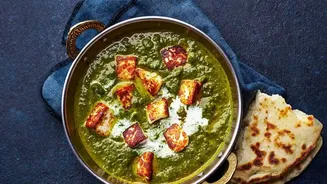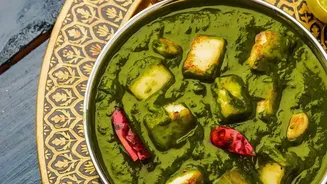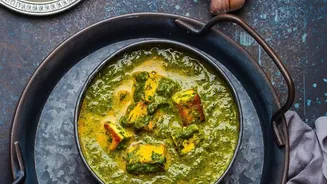




A warm bowl of saag is pure comfort, but its magic isn't just in the greens—it's in the spices. Understanding how to season this classic Indian dish transforms it from a simple meal into an aromatic experience that is deeply satisfying.
More Than Just Spinach
First, let's clarify
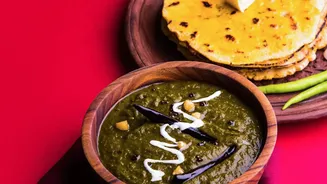
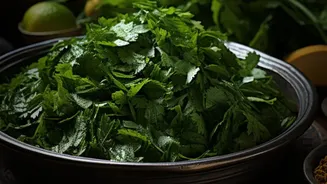
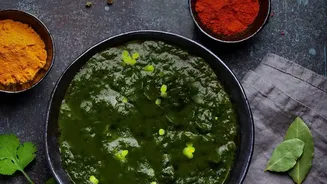
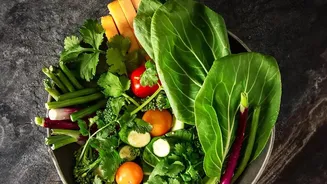
what 'saag' is. While many associate it with spinach (palak), saag is a broader term for dishes made from various leafy greens. The most famous version, Sarson ka Saag from Punjab, is traditionally made with mustard greens (sarson). Often, to balance the pungent, slightly bitter taste of mustard leaves, other greens like spinach, bathua (chenopodium or lamb's quarters), or fenugreek (methi) are added. This blend of greens is the first layer of flavour, creating a complex, earthy base before any spices are even introduced.
The Aromatic Foundation
Nearly every great saag begins with a simple, yet crucial, aromatic base: onion, ginger, and garlic. Sautéed in ghee or oil, these three ingredients build the foundational layer of flavour upon which everything else rests. The onion provides a subtle sweetness as it cooks down, the ginger adds a fresh, pungent warmth, and the garlic offers a savoury depth. Getting this stage right is essential; these aromatics shouldn't be rushed. They need to be cooked gently until soft and fragrant, releasing their oils and creating a rich canvas for the spices that follow.
Building Flavour with Ground Spices
While saag isn't meant to be overwhelmingly spicy, a few core ground spices are non-negotiable. Cumin and coriander powders are classic additions that provide warmth and an earthy, citrusy aroma. Turmeric is often included not just for its subtle flavour and vibrant colour but also for its anti-inflammatory properties. Some recipes may call for a touch of garam masala at the end, but the goal is to complement, not overpower, the natural taste of the greens. The key is balance; the spices should enhance the saag, not mask it.
The Final Flourish: The Art of Tadka
The most transformative step in seasoning many Indian dishes, including saag, is the 'tadka' (also known as chaunk or tempering). This is the technique of heating whole spices in hot ghee or oil and pouring the sizzling, aromatic mixture over the finished dish. A tadka for saag might include cumin seeds, dried red chillies, sliced garlic, and a pinch of asafoetida (hing). This final step doesn't just add flavour; it blooms the spices, releasing their essential oils and infusing the entire dish with a powerful, irresistible aroma that you can't achieve by simply stirring them in earlier. Skipping the tadka can leave the saag tasting flat and unfinished.
Achieving Perfect Balance
Great saag is all about balance. The earthiness of the greens needs to be complemented by other tastes. Heat comes from green chillies, which are often cooked with the greens, or from dried red chillies in the tadka. To balance the slight bitterness that can come from mustard greens, many cooks add spinach or even a little jaggery. A touch of acidity is also crucial to brighten the deep, earthy flavours. This can be achieved by adding tomatoes during the cooking process or a squeeze of lemon juice just before serving. Finally, a small amount of maize flour (makki ka atta) is often added to thicken the saag and give it its classic, creamy texture.
Common Seasoning Mistakes to Avoid
Making a flavourful saag is easy if you avoid a few common pitfalls. First, don't use old or stale spices; they lose their potency and won't deliver the aroma you're looking for. Second, be careful with salt. Greens reduce in volume significantly when cooked, so it's easy to oversalt if you add it too early; it's best to adjust the seasoning towards the end. Lastly, don't overwhelm the dish with too many strong spices. The beauty of saag lies in its ability to taste like the greens it came from, elevated by a thoughtful, balanced use of seasoning.