





The Soothing Appeal of Steam
For generations, people have turned to steam to find relief from the misery of a blocked nose. The logic feels simple and intuitive. Inhaling warm, moist air seems to help thin and loosen the thick mucus that causes congestion, making it easier to breathe.
The warmth can feel soothing on irritated nasal passages and provide temporary comfort from the pressure and stuffiness associated with colds, allergies, and sinus issues. This method is accessible, requires nothing more than hot water, and offers a drug-free way to manage symptoms, which is why it remains a popular go-to remedy in many households.
The Deceptive Danger of Steam Burns
The primary danger of steam inhalation comes not just from the hot water, but from the steam itself, which can cause more severe burns than boiling water of the same temperature. This is because of a scientific principle called 'latent heat of vaporization'. To turn water into steam, it must absorb a significant amount of extra energy. When that steam hits your cooler skin, it rapidly condenses back into liquid, releasing all that stored energy directly onto the surface. This process transfers a massive amount of heat very quickly. Research has shown that steam can also penetrate the outer layer of skin through pores, condensing and releasing its energy on the deeper, more sensitive layers. This can result in a severe, second-degree burn that may look deceptively minor on the surface at first.
Spills, Slips, and Life-Changing Injuries
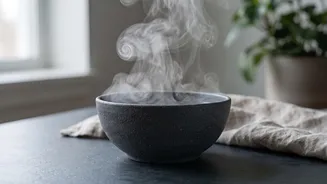
While direct steam burns are a risk, the most frequent injuries reported by burn centres are severe scalds from accidental spills. The common method of leaning over a bowl of freshly boiled water with a towel draped over your head creates a precarious situation. A moment of instability, a misplaced elbow, or a child bumping the table can lead to the entire bowl of scalding water spilling onto the face, lap, chest, or legs. These injuries are often serious, leading to hospital admissions and, in some cases, requiring skin grafts and reconstructive surgery. Medical experts warn that these injuries are entirely preventable and have the potential to cause lifelong disfigurement and scarring.
Children Are at Greatest Risk
Children are particularly vulnerable to these types of burns. Their skin is thinner than an adult's, making them more susceptible to severe injury from the same temperature. They are also less aware of the danger and may not be able to react quickly or communicate that the steam is too hot. Hospitals report a worrying number of pediatric patients with scalds from steam inhalation incidents every year. In some cases, burn centres have seen significant spikes in these preventable injuries, with patients ranging from newborn babies to teenagers. Because of this high risk, many healthcare professionals and burn associations now actively discourage the practice of using bowls of hot water for steam inhalation, especially for children.
Safer Ways to Relieve Congestion
Given the risks, and with little strong scientific evidence to prove steam inhalation is highly effective, experts recommend safer alternatives to manage cold symptoms. One of the safest ways to get the benefit of humidity is to sit in a closed bathroom while a hot shower is running; this creates a steam-filled room without the risk of a spill. Other effective, doctor-approved methods include staying well-hydrated by drinking plenty of fluids like water and clear soups to help thin mucus naturally. Using a humidifier to add moisture to the air, or trying a saline nasal spray or rinse, can also help clear nasal passages and reduce irritation safely.