





Decoding Hotel Check-In and Check-Out Times
Most hotels in India follow a standard check-in time between 12 PM and 2 PM. Check-out is typically between 10 AM and 12 PM. This gap allows housekeeping to prepare rooms for the next guests. A single night's booking covers your stay from the official
check-in time on your arrival day to the check-out time on the departure day; it does not automatically mean a 24-hour stay. While some hotels, especially in business hubs like Mumbai and Delhi, might have earlier 12 PM check-ins, tourist spots like Goa and Jaipur often follow a 2 PM check-in and 11 AM check-out schedule. If you need to arrive early or leave late, it's always best to contact the hotel in advance. Some may offer this service for free, subject to availability, while others might charge a fee.
The Essential ID Proof for Indian Nationals
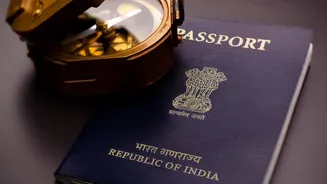
When checking into any hotel in India, every adult guest must present a valid, government-issued photo ID. This is a legal requirement for hotels to verify and maintain guest records. The most commonly accepted documents include an Aadhaar Card, Passport, Driving Licence, and Voter ID card. It's important to carry the original document, as a blurry photocopy or a picture on your phone might not be accepted. While Aadhaar is widely used, it is not legally compulsory; other valid government IDs are equally acceptable. A PAN card is often refused for hotel check-ins because it does not contain a residential address, which is a key piece of information for hotel records.
Special Requirements for International Guests
For foreign nationals, the check-in process involves a few extra but mandatory steps. All international guests, including those with an OCI (Overseas Citizen of India) card, must present their passport and a valid Indian visa at the time of check-in. Hotels are legally required to submit a 'Form C' (also known as Form III) to the Bureau of Immigration within 24 hours of a foreign guest's arrival. This online form includes details from your passport, visa, and your arrival in India. As a guest, you simply need to provide the documents; the hotel handles the submission process. This rule applies to all types of accommodation, including hotels, guesthouses, and homestays.
Navigating Airport Check-In: Documents and Digital Options
The rules for domestic air travel are similarly straightforward. According to the Bureau of Civil Aviation Security (BCAS), every passenger needs to present a boarding pass and one valid government-issued photo ID. Accepted forms of identification for Indian citizens are broad and include an Aadhaar card, Passport, Voter ID, PAN card, and Driving Licence. It is critical that the name on your flight ticket exactly matches the name on your ID. Foreign nationals flying domestically must carry their passport. For a more streamlined experience, many travellers now use DigiYatra. This voluntary, biometric-based system allows you to pass through terminal entry, security, and boarding gates at participating airports using facial recognition, making your face your boarding pass. To use it, you need to register on the DigiYatra app with an ID like Aadhaar and take a selfie.
Tips for a Hassle-Free Experience
A few simple habits can prevent most check-in issues. Always carry at least one original, government-issued photo ID. Having a digital copy stored on your phone or in an app like DigiLocker can be a useful backup. For hotels, it's wise to re-confirm check-in times and any special requests before you travel. Some hotels have policies against accepting local residents (guests with an ID from the same city), so if you're booking a staycation, it's best to check this policy beforehand. Similarly, while there is no law preventing unmarried couples from staying in a hotel, some properties may have their own internal rules, making it a good idea to clarify before booking to avoid any unpleasant surprises.