



The Heightened Monsoon Risk
The rainy season in India creates the perfect environment for bacteria, viruses, and parasites to thrive. Heavy rains can lead to waterlogging and the overflowing of drains, which often results in sewage water mixing with groundwater and municipal water supplies.
This contaminated water can find its way into our kitchens and onto our food. The high humidity in the air also accelerates the growth of microbes, meaning food spoils faster. As a result, the risk of waterborne diseases like cholera, typhoid, gastroenteritis, and hepatitis A sees a sharp increase during this period. These illnesses primarily spread through the consumption of contaminated food and water, making every meal a potential risk if proper care is not taken.
From Farm to Plate: A Risky Journey
Fruits and vegetables can become contaminated at any point in their journey from the farm to your dining table. If crops are irrigated with unsafe water, they can carry harmful pathogens from the very beginning. During transportation and storage, produce exposed to dirty surroundings or handled with unclean hands can easily pick up germs. Leafy greens like spinach, cabbage, and lettuce are particularly vulnerable because their many layers can trap dirt and microbes, making them difficult to clean thoroughly. Even fruits with thick peels that seem safe can be contaminated on the surface, and cutting them can transfer bacteria from the peel to the edible portion inside.
Why Raw Foods Require Extra Care
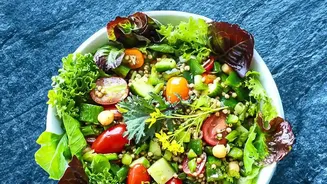
While a fresh salad or a platter of cut fruits seems like a healthy choice, consuming them raw during the monsoon can be risky. The primary reason is that cooking kills most of the harmful microorganisms that cause foodborne illnesses. When you eat fruits and vegetables raw, you bypass this crucial safety step. Items like pre-cut fruits from street vendors are especially hazardous as they are often washed in unsafe water, left exposed to flies and dust for long periods, and handled without proper hygiene. Health experts frequently advise limiting the intake of raw salads and uncooked foods from outside sources during this season, recommending steamed or grilled preparations instead.
The Right Way to Wash Your Produce
Since contaminated water is a primary source of illness, using clean, potable water to wash produce is non-negotiable. Simply rinsing under tap water may not be enough. For a thorough clean, wash all fruits and vegetables under running potable water. For leafy greens, it's recommended to soak them in a bowl of water with a bit of salt or vinegar for about 15-20 minutes to help dislodge germs, followed by another rinse. For fruits and vegetables with firm peels, use a soft brush to scrub the surface gently. After washing, pat the produce dry with a clean cloth or paper towel before cutting or storing, as moisture can encourage microbial growth.
Additional Safety Measures to Adopt
Beyond just washing, a few extra precautions can significantly lower your risk of getting sick. It is always best to consume freshly cooked food and avoid street food, especially items like chutneys and pani puri where the water source is unknown. Whenever possible, peel fruits like apples and pears after washing them. Fruits that you can peel yourself, like bananas and oranges, are generally safer options. Store fruits and vegetables properly in a clean and dry refrigerator to prevent mould growth. Avoid keeping cut fruits and salads out for long; consume them as soon as they are prepared. Lastly, always wash your hands thoroughly with soap and water before handling food to prevent cross-contamination.