

Green Decor Without the Dread
The dream of a lush, vibrant indoor jungle often clashes with the reality of a busy schedule and the fear of wilting leaves. But becoming a plant parent doesn't have to be intimidating. The key is to start with plants that are known for their resilience.
These 'starter plants' are not just about survival; they are about thriving with minimal intervention, which builds the confidence a new plant parent needs. They offer the aesthetic benefits of living decor—adding texture, colour, and a touch of nature—without demanding constant attention. Research also suggests that being around greenery can reduce stress and improve your mood, making it a perfect wellness addition to your home. Choosing an easy-care plant ensures your first foray into indoor gardening is a rewarding success story, not a tale of horticultural heartbreak.
The Survivor: Sansevieria (Snake Plant)
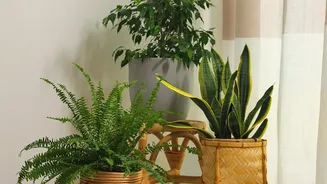
If there were an award for the most indestructible houseplant, the Snake Plant would be a top contender. Also known as mother-in-law's tongue, this plant is the definition of low-maintenance. Its stiff, architectural leaves grow vertically, making it an excellent choice for adding height to a room or fitting into a tight corner. Snake plants are incredibly tolerant of low light, though they are happiest in bright, indirect sunlight. Their biggest enemy is too much water; they prefer their soil to dry out completely between waterings, meaning you can often forget about them for weeks at a time without issue. This resilience makes them perfect for frequent travellers or anyone prone to forgetful watering.
The Dapper Droid: Zamioculcas Zamiifolia (ZZ Plant)
The ZZ Plant is so easy to care for it's almost robotic in its consistency, earning it a reputation as a nearly 'unkillable' option for beginners. With its wide, dark green, glossy leaves, it adds a touch of modern elegance to any space. Originally from drought-prone regions in Africa, the ZZ plant stores water in its underground rhizomes, making it extremely drought-tolerant. This is a plant that thrives on neglect. Overwatering is its main vulnerability, so it’s best to water it only when the soil is completely dry, which could be as infrequently as once every 3-4 weeks. It also handles low-light conditions exceptionally well, making it ideal for offices or rooms with fewer windows.
The Cascading Classic: Epipremnum Aureum (Pothos)
Often called a Money Plant in India, the Pothos is a versatile and forgiving favourite. Its trailing vines with heart-shaped leaves can be styled to hang from a basket, cascade down a bookshelf, or even be trained to climb a wall. Pothos is highly adaptable and can tolerate a wide range of light conditions, from low light to bright, indirect light. It's also quite communicative; its leaves will start to wilt slightly when it's thirsty, giving you a clear visual cue that it's time to water. This forgiving nature, combined with its fast growth, provides a rewarding experience for new plant owners who want to see tangible results and feel a sense of accomplishment.
The Air-Purifying Producer: Chlorophytum Comosum (Spider Plant)
The Spider Plant is a retro classic that has remained popular for good reason. It's incredibly easy to grow and is an excellent air purifier. Characterised by its arching, grass-like leaves, a healthy spider plant produces 'spiderettes'—small baby plants that dangle from the main plant like spiders on a web. These can be easily snipped off and potted to create new plants, making it the gift that keeps on giving. Spider plants prefer bright, indirect light but are quite tolerant of lower light levels. They like their soil to be kept lightly moist, but will forgive you if you forget to water them occasionally. Their easy propagation and resilient nature make them a fun and engaging choice for first-timers.