


A Tipping Point for Alternative Fuels
For decades, the Indian car market has been dominated by petrol engines. August 2026 changed that. According to data from the Federation of Automobile Dealers Associations (FADA), alternative fuel vehicles, including CNG, hybrids, and electric vehicles (EVs),
collectively accounted for 41.95% of passenger vehicle retail sales. This narrowly but significantly edged out petrol/ethanol vehicles, which stood at 40.85%. This milestone wasn't just a statistical blip; it represented a structural shift in consumer preference and the culmination of years of policy pushes toward cleaner energy. Just a year prior, in August 2025, petrol cars had an 11-percentage-point lead over all alternatives combined. The complete reversal of this gap highlights how quickly the ground is moving.
CNG and EVs Lead the Charge
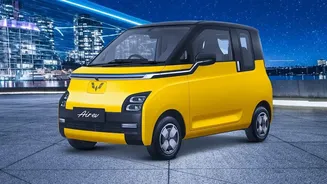
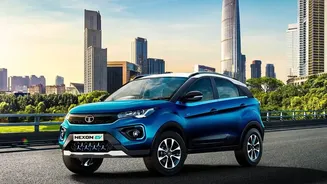
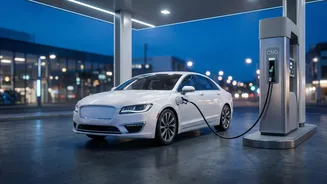
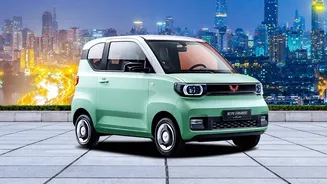
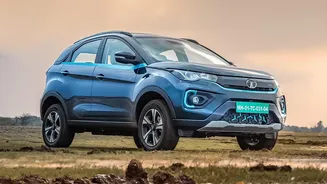
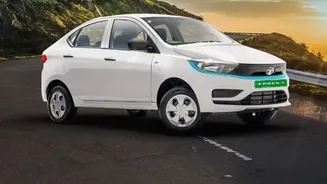
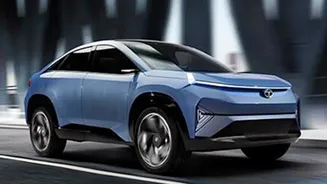
The charge against petrol's dominance was a multi-pronged attack. Compressed Natural Gas (CNG) was the single largest contributor, capturing a record-high market share of 25.28%. CNG's rise has been supported by its lower running costs and a growing network of filling stations. At the same time, the electric vehicle segment continued its impressive growth trajectory. EV registrations in August 2026 surged by over 50% year-on-year, reaching approximately 30,700 units. This pushed the EV market penetration to 7.7%, a significant jump from 5.9% in August 2025. Tata Motors maintained its leadership in the EV space with a market share of around 43%, but competitors like Mahindra & Mahindra are making strong inroads. Some reports noted that buyer hesitation around the widespread adoption of E20 blended petrol may have inadvertently boosted sales of CNG, hybrids, and EVs.
The Hybrid and Flex-Fuel Question
While EVs grab headlines, hybrid vehicles also played a crucial role, accounting for about 9% of sales in August. Strong hybrids, which can run on electric power for short distances, offer a middle path for buyers not yet ready to commit to a fully electric vehicle. Toyota continued its near-total dominance of the strong hybrid market, with models like the Innova Hycross and Urban Cruiser Hyryder accounting for the lion's share of sales. Looking further ahead, the conversation around flex-fuel vehicles (FFVs) is getting louder. These cars can run on higher ethanol blends, such as E85 (85% ethanol). While not a major sales factor in August 2026, recent government announcements signal a strong push in this direction. Union Minister Nitin Gadkari recently stated that India will soon introduce vehicles capable of running on 100% ethanol, aiming to reduce fuel imports and pollution.
What This Means for the Indian Car Buyer
The trends of August 2026 paint a clear picture: the Indian car buyer has more choices than ever before, and is actively embracing them. The monolithic dominance of petrol is over, replaced by a diverse ecosystem of powertrains. For consumers, this means weighing new factors. Do you prioritize the low running cost of CNG, the green credentials of an EV, the flexibility of a hybrid, or the familiarity of a petrol engine that now runs on E20 fuel? The government's clear intent to push for higher ethanol blends and support FFVs adds another layer to this decision. As manufacturers respond with more models across each fuel category, the competition is set to intensify, which will likely benefit consumers through better technology and more competitive pricing. The shift seen in August is not a temporary trend, but the new reality of the Indian automotive landscape.