





A Cosmic Sanctuary in the Himalayas
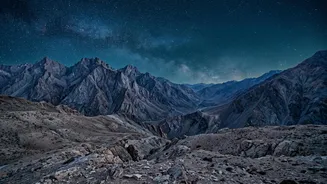
Spiti Valley is not just another beautiful mountain destination; it is an astronomical wonderland. Its unique geography creates the perfect conditions for stargazing. Situated at high altitudes, often above 3,800 metres, the air is thin, dry, and clean.
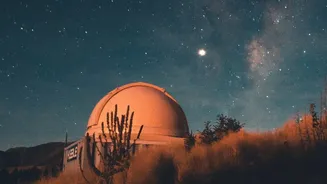
This means less atmospheric distortion, moisture, and pollution to obscure the view. The valley’s remote location in the rain shadow of the Himalayas results in minimal cloud cover and, crucially, very little light pollution from sprawling cities. For visitors, this translates into breathtakingly clear nights where the cosmos reveals itself in full glory. The Milky Way is often visible to the naked eye, alongside countless stars, planets, and even distant galaxies. Villages like Kibber, Langza, and Komic have become world-renowned spots for this celestial spectacle.
The Unseen Impact of Tourism
The same qualities that make Spiti an astrophotographer's dream also make it incredibly fragile. The high-altitude desert ecosystem is sensitive and slow to recover. As tourism booms, the pressure on this delicate environment is mounting. The most visible problem is waste. With tourist numbers growing, so does the volume of non-biodegradable trash like plastic bottles and food packaging, straining limited waste management facilities. However, there's a more insidious threat to stargazing: light pollution. Every headlamp, phone screen, and brightly lit guesthouse contributes to 'skyglow', a phenomenon that brightens the night sky and washes out fainter stars. What might seem like a minor convenience can collectively degrade the pristine darkness that people travel thousands of kilometres to experience. This light, along with noise and other disturbances, also impacts local wildlife, a majority of which is nocturnal.
The Seven Principles of 'Leave No Trace'
To counter these threats, responsible travellers are embracing the 'Leave No Trace' philosophy. It’s a set of seven core principles designed to help people enjoy the outdoors while minimising their impact. Originally developed for wilderness exploration, these guidelines are perfectly suited for the fragile environment of Spiti. They are: Plan Ahead and Prepare; Travel and Camp on Durable Surfaces; Dispose of Waste Properly; Leave What You Find; Minimise Campfire Impacts; Respect Wildlife; and Be Considerate of Other Visitors. These principles go beyond just not littering; they form a holistic code of conduct for being a conscious visitor in a natural space.
Applying the Principles to Stargazing
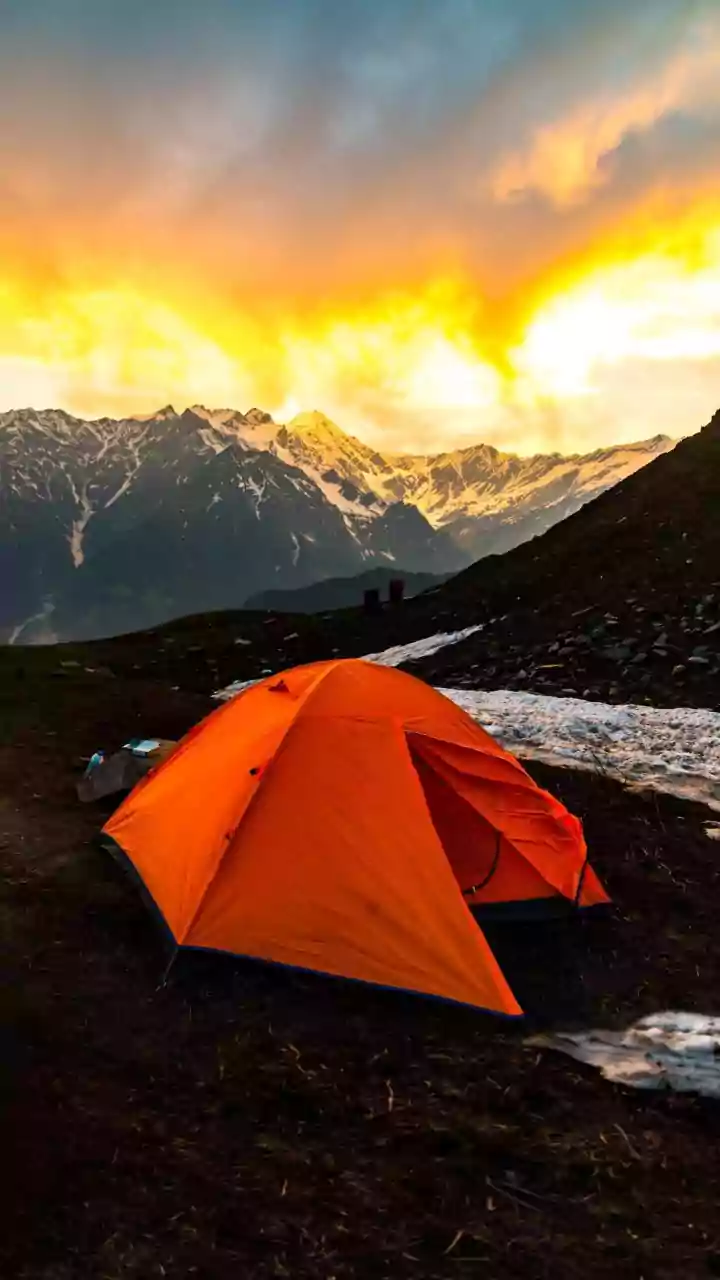
For a stargazer in Spiti, following these principles is straightforward. 'Plan Ahead and Prepare' means bringing warm layered clothing and understanding the local culture and regulations. 'Travel on Durable Surfaces' means sticking to marked trails to avoid trampling fragile vegetation. 'Dispose of Waste Properly' is crucial; it means 'pack it in, pack it out'. All your waste, including food scraps, should be carried back with you. 'Leave What You Find' means taking only photographs and memories, leaving fossils, rocks, and plants undisturbed. To 'Minimise Campfire Impacts', it's better to use a camp stove and avoid fires that can scar the landscape. 'Respect Wildlife' by observing from a distance and never feeding animals. And 'Be Considerate of Other Visitors' by keeping noise levels low and, most importantly for stargazers, managing your light.
Protecting the Darkness Itself
Being considerate of others in a stargazing hotspot means protecting the shared resource of darkness. Your eyes take about 20-30 minutes to fully adapt to the dark, allowing you to see the faintest stars. A single flash of white light from a phone or headlamp can ruin this night vision for you and everyone around you. Responsible astrotourists use headlamps with a red-light setting, as red light has a minimal effect on night vision. When setting up for astrophotography or moving around at night, use only the light you absolutely need, keeping it pointed down. By supporting local homestays that practice responsible lighting and encouraging others to do the same, visitors can actively help preserve Spiti's astronomical heritage.