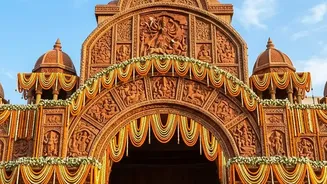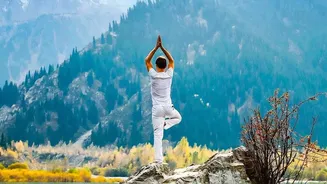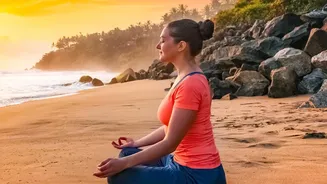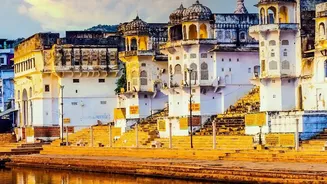






The Indian pilgrim has a new face. It is young, tech-savvy, and seeking more than just religious merit. A growing number of young Indians are flocking to ancient temples and sacred sites, sparking a quiet revolution in domestic travel.
The Rise of the 'Shrinecation'
Forget the old stereotype
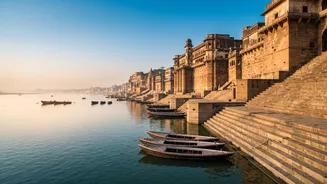
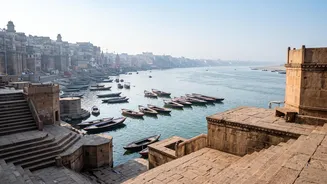
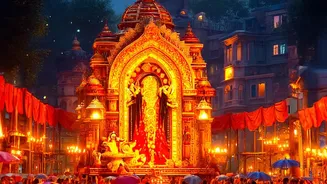
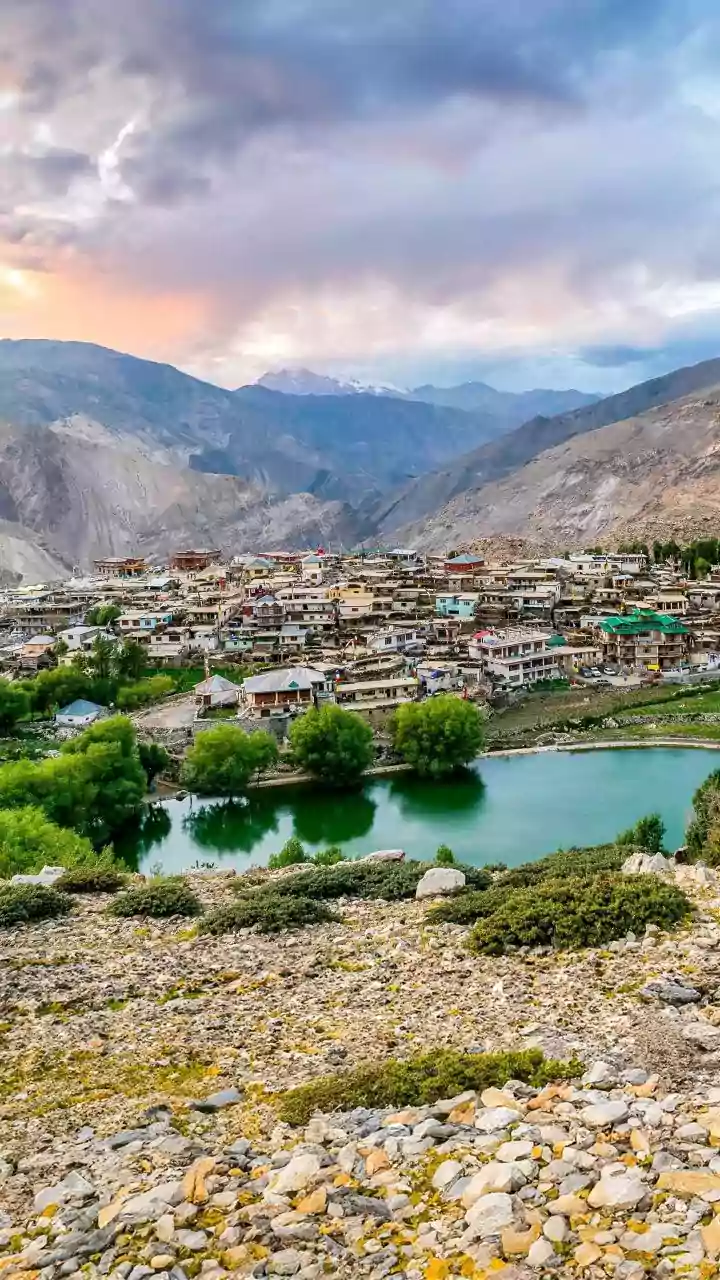
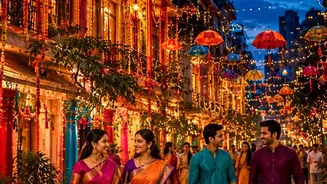
of pilgrimage being reserved for older generations. Today, a new trend known as the 'shrinecation' is taking hold, blending spiritual journeys with leisure and cultural exploration. Young travellers from Gen Z and millennial cohorts are visiting places like Varanasi, Rishikesh, Tirupati, and Amritsar, but their itineraries look different. For them, a temple visit might be followed by café hopping, a yoga retreat, or creating content for their social media feeds. This hybrid approach turns a traditional journey into a holistic experience of self-discovery, wellness, and cultural immersion. Data from travel platforms shows a significant spike in younger travellers booking trips to spiritual destinations, indicating this is more than an anecdotal shift; it's a measurable movement.
A Search for Authenticity and Roots
In a world of fast-paced digital life and globalised culture, many young Indians are feeling a pull toward their own heritage. This quest for authenticity is a major driver. For this generation, travel is less about luxury and more about meaningful experiences that offer a connection to their identity. Visiting a heritage site is a way to engage with history, family traditions, and regional mythologies on their own terms. The experience is often more about understanding the philosophy behind a ritual than just observing it. This desire for grounding and perspective is a response to the pressures of modern life, with spiritual sites offering a space for reflection, mindfulness, and a much-needed digital detox.
The Social Media Effect
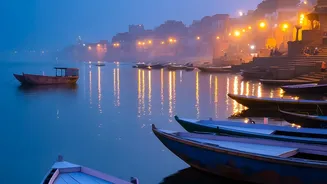
While it may seem contradictory, social media is a powerful catalyst in this spiritual travel boom. Platforms like Instagram and YouTube have transformed ancient sites into visually appealing, aspirational destinations. A stunning reel of a Ganga aarti in Varanasi or a vlog of a trek to Kedarnath can generate immense curiosity and inspire travel plans. Influencers and travel content creators have reframed these locations, presenting them as inclusive, experiential, and calm spaces rather than intimidating religious centres. User-generated content, from photos to reviews, is seen as more authentic than traditional advertising, heavily influencing where young people decide to go next. The desire to capture and share these unique experiences further fuels the trend, turning a personal journey into a public statement of cultural engagement.
Improved Access and Infrastructure
This travel push isn't happening in a vacuum. A concerted effort by government bodies to improve infrastructure has made these sites more accessible than ever. Initiatives like the PRASHAD (Pilgrimage Rejuvenation and Spiritual, Heritage Augmentation Drive) scheme have focused on developing facilities at dozens of religious locations. The development of new highways, high-speed trains connecting major cities to pilgrimage centres, and even new airports in cities like Ayodhya have drastically cut down travel time and complexity. This, combined with the ease of online bookings for everything from transport to accommodation, has empowered a new generation of independent travellers to plan and undertake these journeys with greater flexibility and spontaneity.