





Gold Jewellery: The Sentimental Asset
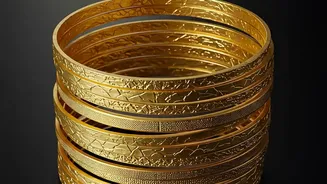
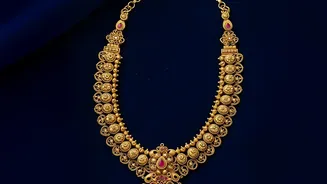
For generations, gold jewellery has been the default choice for Indian families, serving dual roles as an adornment and an asset. It carries immense cultural and emotional weight, often passed down as heirlooms and central to weddings and festivals. However,
from a pure investment perspective, jewellery is the least efficient option. The primary reason is the making charges, which can range from 8% to over 25% of the gold's value, depending on the intricacy of the design. These charges, along with Goods and Services Tax (GST) on both the gold value and the making charges, are non-recoverable upon sale. When you sell jewellery, you typically receive value only for the net weight and purity of the gold, meaning the significant cost of craftsmanship is permanently lost. This makes it difficult to break even unless gold prices have risen substantially. Best for: Occasions like weddings, gifting, and building a family legacy where emotional and aesthetic value are paramount.
Gold Coins and Bars: The Tangible Investment
For those who want the security of holding a physical asset without the high value-loss of jewellery, gold coins and bars are a more practical choice. Typically available in 24-karat purity, they have much lower making charges or premiums, usually between 3% and 11%. This means more of your money goes directly toward the value of the gold itself. Coins offer high liquidity and can be easily bought or sold at most jewellers. However, they still present challenges. Like jewellery, they attract a 3% GST at the time of purchase. The biggest concerns are security and storage. Keeping physical gold at home carries a risk of theft, while a bank locker incurs annual charges that can eat into your returns. While they are a better investment than jewellery, the costs of storage and the potential for a lower buy-back rate from some jewellers are important considerations. Best for: Tangible savings, portfolio diversification for those wary of digital instruments, and emergency liquidity.
Gold ETFs: The Modern, Efficient Choice
Gold Exchange-Traded Funds (ETFs) are financial instruments that track the domestic price of gold. Each unit of a Gold ETF represents a certain quantity of pure gold, typically one gram, which is held in dematerialized (Demat) form. This is the most cost-effective and efficient way to invest in gold for purely financial reasons. There are no making charges, storage costs, or concerns about purity. The expenses are limited to a small annual expense ratio (usually under 1%) and standard brokerage fees for buying and selling on the stock exchange. Unlike physical gold, Gold ETFs do not attract GST on purchase, making them more cost-efficient from the start. They offer high liquidity, as they can be traded on the stock market just like shares. The main requirement is that you need a Demat and trading account to invest. Best for: Long-term wealth creation, portfolio diversification, and investors who want exposure to gold prices without the hassles of physical ownership.
Which Option Aligns With Your Goal?
Choosing the right gold investment depends entirely on your objective. For a Wedding or Gifting: Jewellery is the undeniable choice. Its value is both emotional and financial, serving a purpose that no other form can. Just be aware that from an investment standpoint, a significant portion of its cost is not recoverable. For Tangible Wealth Preservation: If you desire the security of a physical asset you can hold, gold coins are superior to jewellery. They are more cost-efficient and serve as a reliable store of value that can be liquidated relatively easily in an emergency. For Pure Investment and Growth: If your goal is to benefit from the appreciation in gold prices as part of a diversified investment portfolio, Gold ETFs are the clear winner. They offer the lowest costs, highest liquidity, and most direct exposure to the market price of gold, making them the smartest choice for a modern investor focused on financial returns.