



Understanding the Phalahari Vrat
The Janmashtami fast is a spiritual discipline undertaken to purify the mind and body. While some observe a strict 'Nirjala' fast without food or water, many follow the 'Phalahar' tradition. This diet, which translates to a 'fruit-based diet', is less
about only eating fruits and more about avoiding certain food groups. The core principle is to abstain from grains, lentils, onion, garlic, and regular table salt. Instead, the diet revolves around a specific list of sattvic, or pure, ingredients that provide energy without being heavy or difficult to digest, keeping the mind clear for prayer and reflection.
Alternative Flours and Grains
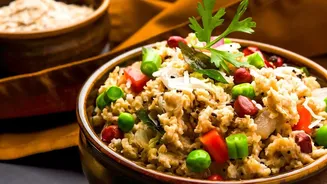
During a Phalahari fast, all regular grains like wheat, rice, and millets are avoided. However, a variety of 'vrat-friendly' flours are permitted, forming the backbone of many fasting meals. These include Kuttu ka atta (buckwheat flour), Singhare ka atta (water chestnut flour), and Rajgira ka atta (amaranth flour). Sabudana (tapioca pearls) and Samak ke chawal (barnyard millet) are also staples. These ingredients are used to prepare a range of dishes, from puris and parathas to khichdi and kheer, providing much-needed carbohydrates for energy.
Permitted Vegetables
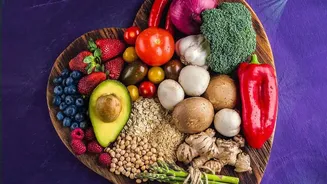
While onion and garlic are strictly forbidden due to their tamasic nature, several other vegetables are welcome additions to a fasting menu. The most commonly used vegetable is the potato, which is versatile enough for curries, cutlets, and stuffings. Other permitted vegetables include sweet potato, arbi (colocasia), suran (yam), raw banana, pumpkin, bottle gourd, and tomato. These vegetables can be used to make simple stir-fries, flavourful curries, and comforting side dishes that pair well with vrat-friendly rotis.
Fruits, Nuts, and Dairy
As the name 'Phalahar' suggests, all fruits can be consumed during the fast. They are an excellent source of instant energy, hydration, and essential vitamins. You can have them whole, cut into a fruit chaat, or blended into juices and milkshakes. Dairy products are also a vital part of the diet, with milk, curd (yogurt), paneer, and ghee being widely used. They provide necessary protein and calcium. For snacking and adding richness to dishes, all nuts and dry fruits like almonds, walnuts, cashews, and raisins are allowed. Roasted makhana (fox nuts) are another popular, light, and nutritious snack.
Spices and Seasonings
One of the most important rules of a Phalahari fast is the type of salt used. Regular table salt is avoided; instead, Sendha Namak, or rock salt, is used for seasoning all dishes. It is considered a purer form of salt appropriate for fasting. The spice palette is generally kept simple to maintain the sattvic quality of the food. Common spices include jeera (cumin), black pepper, green chillies, ginger, and fresh coriander. Some traditions also avoid turmeric and mustard seeds.
Simple Meal and Snack Ideas
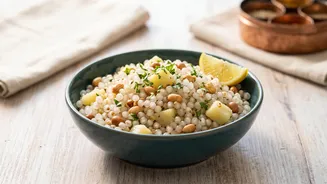
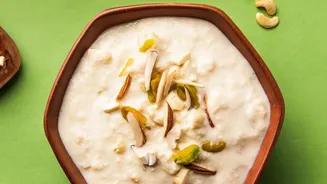
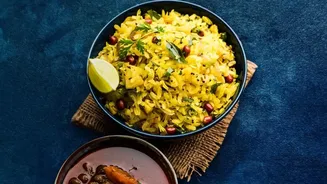
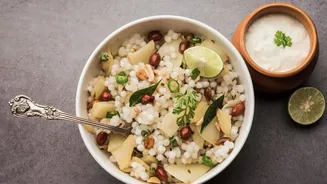
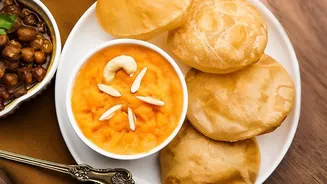
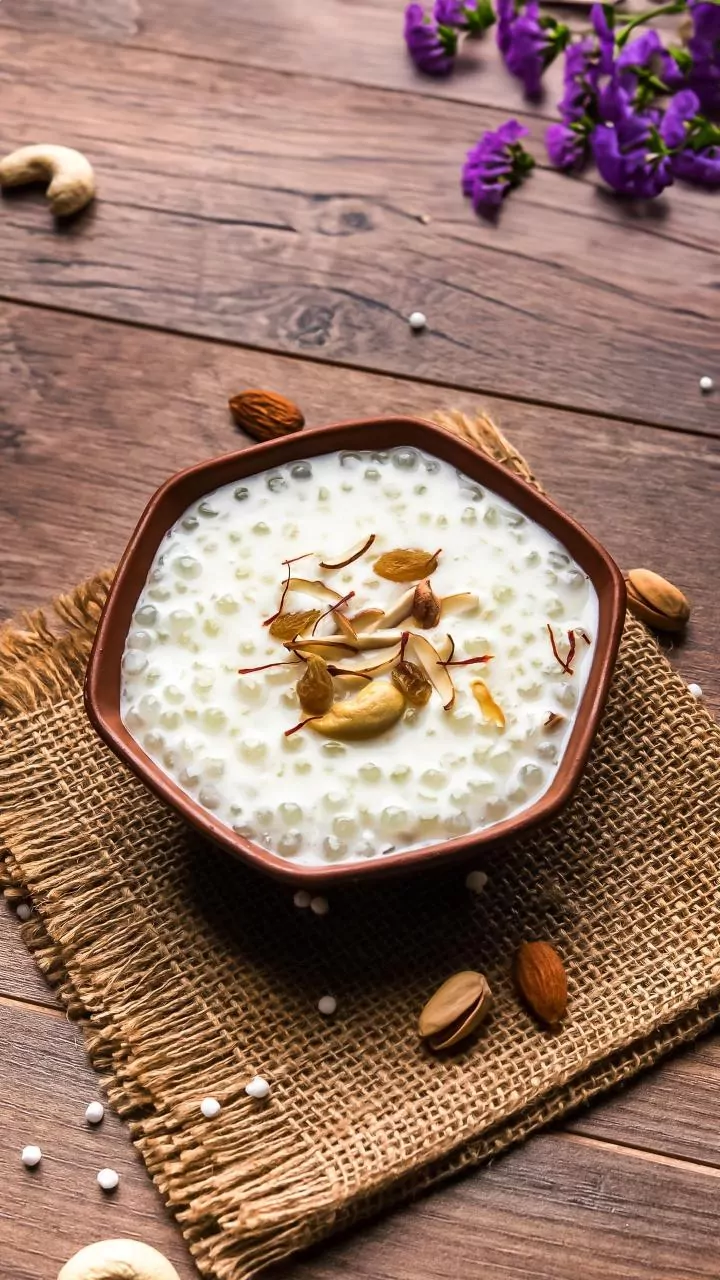
Putting it all together, a day of Phalahari fasting can be both delicious and fulfilling. For a substantial meal, you could prepare Sabudana Khichdi, a savoury dish made with tapioca pearls, potatoes, and peanuts. Another classic combination is Kuttu ki Puri served with a simple Vrat wale Aloo sabzi (a potato curry made with tomatoes and rock salt). For lighter snacks, consider roasted makhana, a bowl of fruit with fresh cream, or Singhare ke Pakode (fritters made from water chestnut flour). To satisfy a sweet tooth, Makhana Kheer or a simple Shrikhand are excellent options that adhere to all the fasting rules.