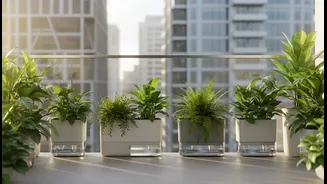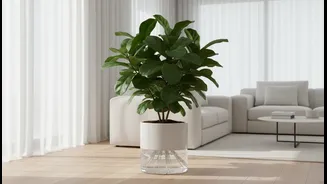




What Exactly Is a Sub-Irrigated Planter?
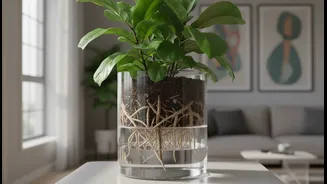
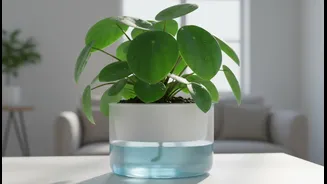
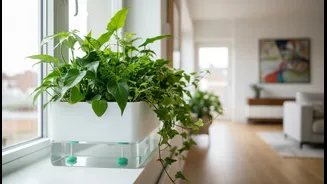
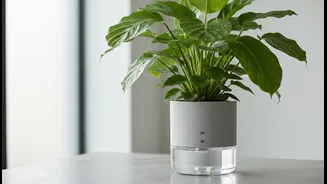
Often called a 'self-watering pot', a sub-irrigated planter is a container with a built-in water reservoir at the bottom. This reservoir is kept separate from the main soil area where the plant's roots live. The core idea is to water the plant from below
rather than from the top. This method allows the plant to get a consistent supply of moisture without the risks of traditional top-watering. Instead of you deciding when and how much to water, the plant essentially waters itself on demand.
The Simple Science of Capillary Action
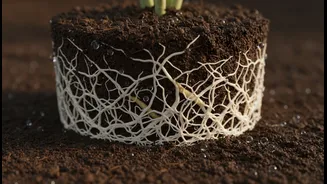
The magic behind these pots is a natural process called capillary action. Think of it like a paper towel dipping into a puddle; the water seems to defy gravity and climb up the fibers. In a sub-irrigated planter, a wicking system—which could be a strip of fabric, porous potting mix, or specially designed chambers—connects the water reservoir to the soil. As the soil dries out, it naturally draws water up from the reservoir, delivering it directly to the root zone where it's needed most. This bottom-up approach mimics how plants absorb moisture in nature and ensures the soil stays consistently moist but not waterlogged.
The Ultimate Advantage: Less Time Watering
For anyone with a demanding schedule, the primary benefit is convenience. Instead of checking your plants every day or two, you might only need to fill the reservoir once a week, or even less frequently depending on the plant, pot size, and indoor climate. This eliminates the daily guesswork and guilt associated with plant care. It's a game-changer for those who travel, have unpredictable schedules, or simply want to enjoy their plants without the constant maintenance. You get to spend more time admiring your greenery and far less time with a watering can in hand.
A Renter’s Best Friend
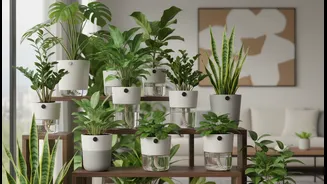
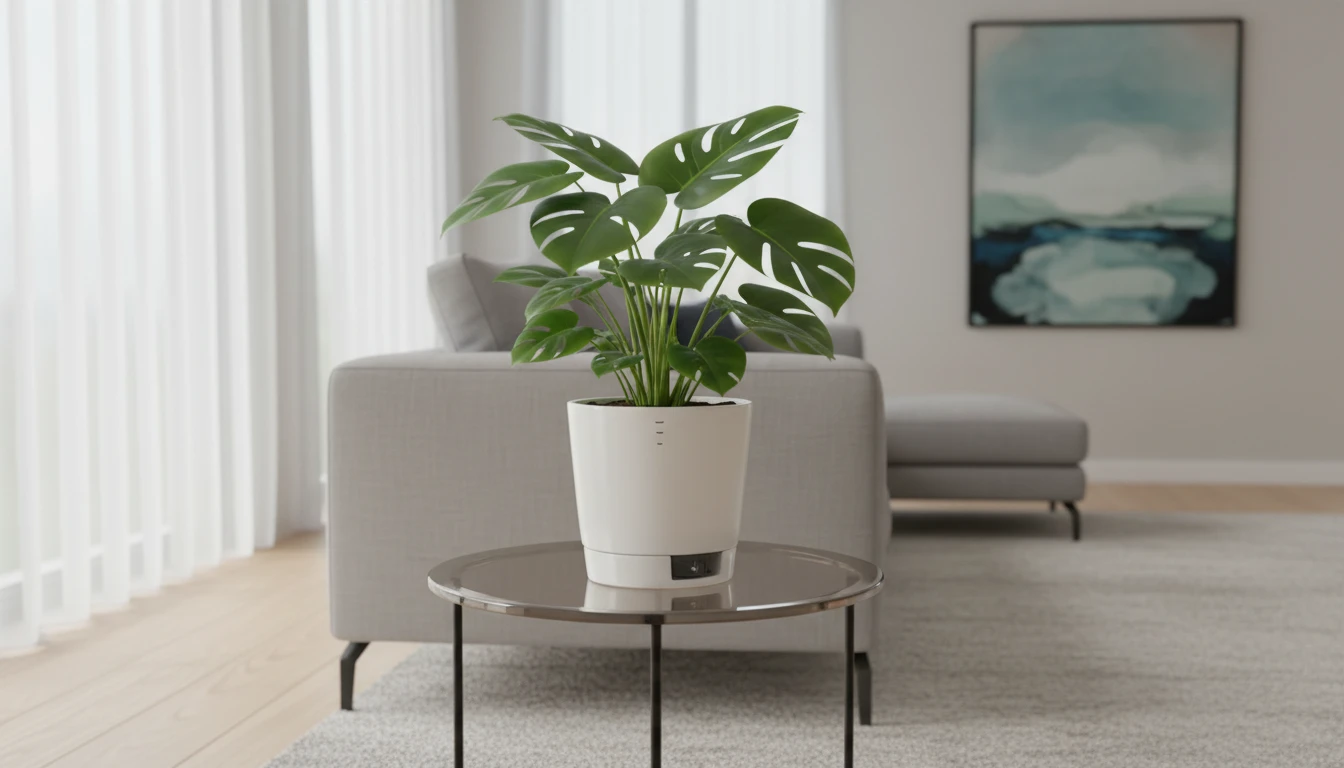
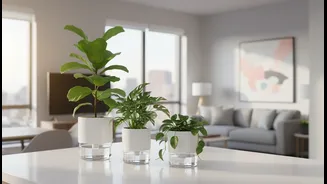
These systems are particularly well-suited for renters. Since the water is contained within the planter's reservoir, the risk of messy spills or water damage on floors and furniture is significantly reduced. This is a huge plus when you want to protect your security deposit. Many self-watering pots are designed to be compact and stylish, fitting perfectly on windowsills, shelves, and in tight corners common in apartments. They offer a clean, efficient, and landlord-friendly way to bring more green into your home, no matter how temporary it may be.
Solving the Top Plant-Killer Problems
The most common mistakes in plant care are overwatering and underwatering, both of which can be fatal. Sub-irrigated planters are engineered to prevent these issues. By keeping the roots separate from the main water reservoir and allowing them to draw moisture as needed, the system drastically reduces the risk of root rot, which occurs in overly saturated soil. Conversely, it provides a steady buffer against forgetting to water, preventing the wilting and stress caused by drought. This creates a more stable environment, leading to healthier roots and more resilient plants.
Choosing the Right Pot and Plants
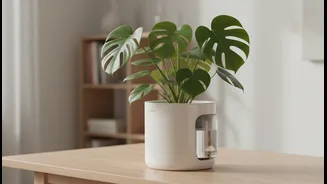
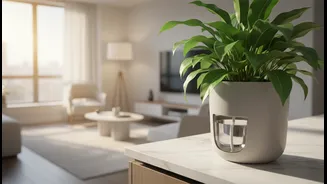
Not all plants are suitable for these systems. Plants that thrive in consistently moist soil, such as peace lilies, ferns, calatheas, and many herbs like basil and mint, are excellent candidates. However, drought-tolerant plants like succulents and cacti, which prefer their soil to dry out completely between waterings, may not fare as well. When shopping for a planter, look for key features that make life even easier. A water-level indicator—a small window or float that shows when the reservoir is low—removes all guesswork from refilling. Also, consider the material and size to ensure it matches your decor and the needs of your plant.