





A Greener Journey Through History
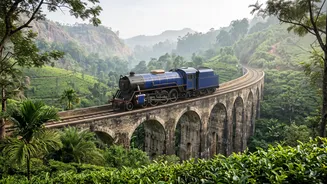
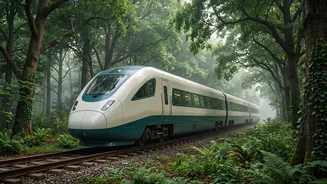
Indian Railways has launched an ambitious initiative called “Hydrogen for Heritage,” which aims to replace traditional diesel engines on its historic narrow-gauge routes with modern, hydrogen-powered ones. This move is part of a broader strategy to achieve
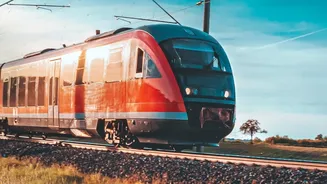
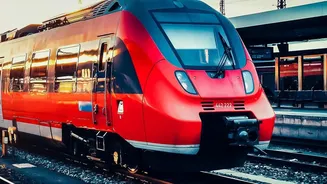
net-zero carbon emissions by 2030, blending the charm of vintage travel with cutting-edge sustainable technology. The first prototype of a hydrogen train began operations in July 2026 on the Jind-Sonipat section in Haryana, serving as a pilot for this wider rollout. The experience gained from this initial phase will be crucial for adapting the technology for the unique and challenging terrains of the heritage lines.
How Do Hydrogen Trains Work?
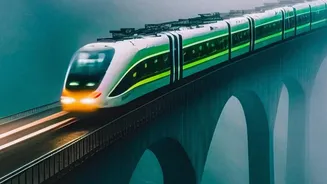
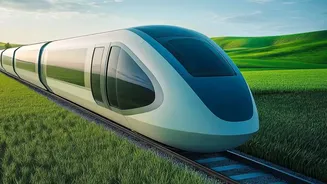
At its heart, a hydrogen train is an electric train that generates its own power. Instead of drawing electricity from overhead lines, it uses a fuel cell. Inside this cell, hydrogen stored on the train chemically reacts with oxygen taken from the air. This electrochemical process generates electricity to power the motors, with the only byproduct being water vapour and a little heat. This means no diesel fumes, no soot, and no greenhouse gas emissions. Any excess energy generated can be stored in onboard batteries to provide extra power when needed, such as when climbing steep gradients.
The Transformation of Scenic Travel
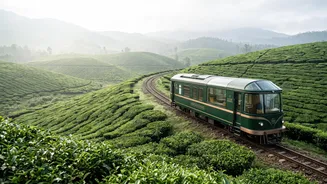
The shift to hydrogen power promises to fundamentally change the passenger experience. One of the most significant benefits is the dramatic reduction in noise. Without the loud chugging and vibrations of a diesel engine, passengers can enjoy a much quieter ride, allowing the serene sounds of the mountains and valleys to become part of the journey. The absence of exhaust fumes also means cleaner air and clearer views through the windows, without the risk of soot. This creates a more pleasant and immersive way to appreciate the stunning landscapes that make these routes so famous.
Which Tracks Will Get the Green Upgrade?
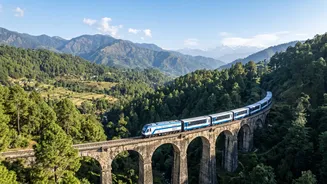
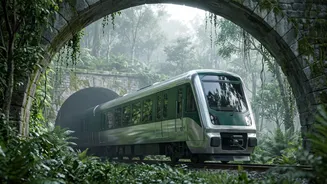
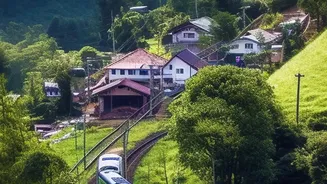
Several of India’s most beloved UNESCO World Heritage and scenic routes are slated for this green transformation. The plan includes deploying 35 hydrogen trains across these ecologically sensitive lines. The iconic Kalka-Shimla Railway, the Darjeeling Himalayan Railway (DHR), the Nilgiri Mountain Railway, and the Kangra Valley line are among the primary candidates. These routes, often passing through tunnels and steep inclines where conventional electrification is difficult, are perfect for showcasing the benefits of hydrogen technology.
The Road Ahead: Challenges and Vision
While the vision is compelling, the transition is not without its challenges. The initial cost of producing green hydrogen and manufacturing the trains is high, though it is expected to decrease over time as the technology scales. Building the necessary infrastructure for hydrogen production and refuelling stations along these remote heritage routes also requires significant investment and careful planning. However, Indian Railways is committed to the project, viewing it as a vital step towards preserving the nation's railway heritage while leading the charge in sustainable transportation. The success of the pilot project will pave the way for wider adoption, ensuring these historic lines can be enjoyed by future generations in a cleaner, quieter, and more environmentally responsible way.