





Declare War on Damp and Mould
The number one enemy after a prolonged rainy season is moisture. High humidity creates the perfect breeding ground for mould and mildew, which can appear as black, green, or white patches on walls, ceilings, and even inside cupboards. These fungi not
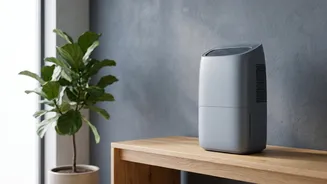
only look and smell unpleasant but can also cause health issues. Start by improving ventilation. Open windows and doors on dry, sunny days to let fresh air circulate. Use ceiling and exhaust fans, especially in bathrooms and the kitchen, to keep air moving. Wipe down any visible mould with a solution of white vinegar and water. For persistent dampness, especially in rooms with external walls, consider using moisture absorbers like silica gel packs inside wardrobes and drawers. If you notice large patches of mould or a persistent musty smell, it could indicate a larger issue like a leak, which you should report to your landlord immediately.
Conduct a Pest Patrol
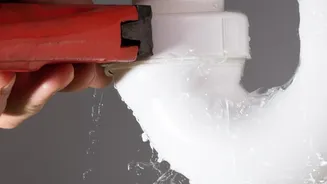
Flooded colonies and damp conditions drive pests indoors. After the monsoon, it's common to see a surge in cockroaches, ants, termites, and rodents seeking shelter and food in homes. Be proactive by ensuring your kitchen is scrupulously clean; store food in airtight containers and don't leave crumbs or uncovered waste out overnight. Check for and seal any obvious entry points, such as gaps around pipes under the sink, cracks in window frames, or holes near drainage outlets. A simple DIY pest control measure is to pour a mixture of hot water and vinegar down your drains to clear out any buildup that might attract insects. The presence of winged termites (alates) near lights after the first few post-monsoon showers is a major red flag for a nearby colony and warrants an immediate conversation with your landlord about professional pest control.
Inspect Walls and Ceilings for Damage
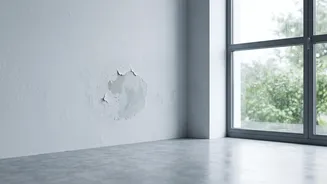
Water can be sneaky. Leaks and seepage that started during the rains may only become visible now as the walls begin to dry. Carefully inspect all walls and ceilings, particularly in corners and around window frames. Look for tell-tale signs of water damage like discoloured or dark spots, bubbling or peeling paint, and fine cracks that weren't there before. Gently press on any suspicious-looking areas; if the wall feels soft or damp, it's a clear sign of water intrusion. Take clear photos and videos of any damage you find. This is crucial documentation when you report the issue to your landlord for repairs.
Care for Your Wooden Furniture
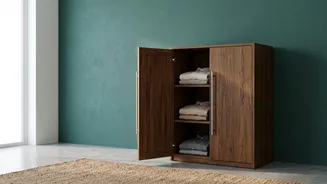
Wood is hygroscopic, meaning it absorbs moisture from the air, causing it to swell during the monsoon. This is why drawers get stuck and doors refuse to close properly. Now that the humidity is starting to decrease, this is the time for recovery. Avoid the temptation to force-dry swollen wood in direct sunlight, which can cause it to crack. Instead, continue to ensure good air circulation around your furniture by keeping it a few inches away from walls. Wipe all wooden surfaces with a soft, dry cloth to remove any settled moisture. Check the backs of wardrobes and the underside of tables and beds for any signs of mildew. A gentle wipe with a barely damp cloth and a mild soap solution can remove grime, but ensure you dry the surface immediately.
Perform an Electrical Safety Scan
Water and electricity are a dangerous mix. Dampness can penetrate switchboards and wiring, creating a serious safety hazard. As a renter, you shouldn't attempt any electrical repairs yourself. However, you can and should perform a visual inspection. Check for any discolouration or rust around switches and outlets, especially on walls that were exposed to rain. Be alert for any buzzing sounds or a burning smell from the switchboard. If you notice any of these signs, or if an appliance gives you a mild shock, stop using it and inform your landlord immediately to call a qualified electrician.
Know Your Rights and Responsibilities
A common point of friction between tenants and landlords is who pays for repairs. According to India's Model Tenancy Act, 2021, landlords are generally responsible for major repairs and structural issues that keep the property habitable, such as fixing leaks, waterproofing, and significant electrical problems. Tenants are typically responsible for minor upkeep and preventing damage through negligence. For any post-monsoon damage that requires repair, your first step should always be to inform your landlord in writing, with photos, and request action. If the landlord fails to carry out necessary repairs, the Act provides tenants with recourse, such as undertaking the repairs and deducting the cost from rent, up to a certain limit. Knowing this helps you have a more productive conversation about getting your home back in top shape.