



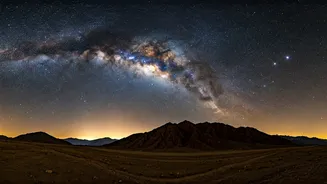


Beyond the City Glow
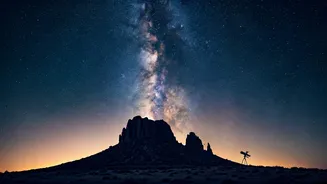
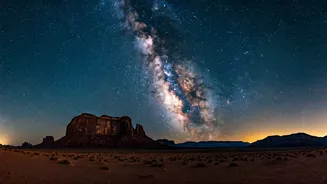
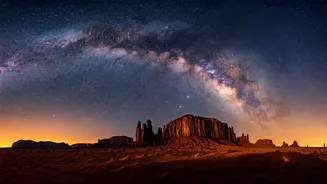
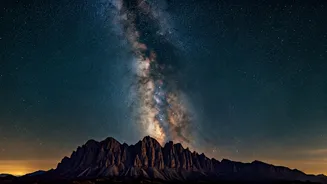
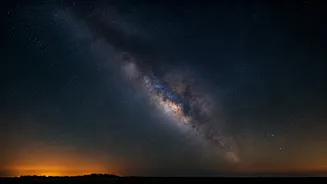
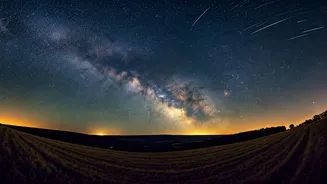
The culprit for our diminished view of the cosmos is light pollution—the excessive and misdirected artificial light from our cities that creates a lingering orange haze in the night sky. To truly witness the majesty of the universe, you need to travel
to a place intentionally preserved for its natural darkness. These are known as dark-sky locations, places with minimal man-made light, allowing the stars to shine in their full glory. Organizations like DarkSky International certify these areas, which include parks, reserves, and sanctuaries, creating havens for both astronomers and wildlife. Fortunately, India is home to a growing number of these celestial sanctuaries.
The Crown Jewel: Hanle Dark Sky Reserve, Ladakh
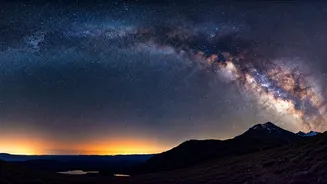
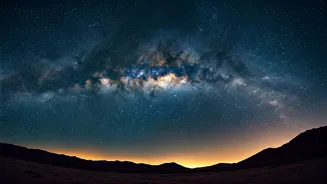
At a breathtaking altitude of 4,500 metres, Hanle in Ladakh is not just a stunning location but also India’s first officially notified Dark Sky Reserve. Nestled within the Changthang Wildlife Sanctuary, this remote, cold desert benefits from exceptionally clear, dry weather for most of the year, making it a dream destination for stargazers. The reserve, which is home to the Indian Astronomical Observatory, was established through a collaboration that helps local communities manage light use, even providing special curtains and warm-toned bulbs to preserve the pristine darkness. Here, the Milky Way isn’t just a faint band; it’s a brilliant, textured river of light flowing across the sky.
The High-Altitude Desert: Spiti Valley, Himachal Pradesh
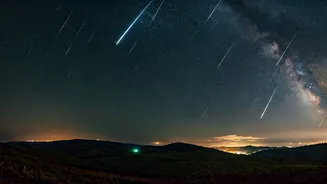
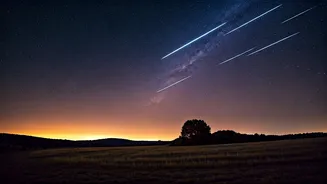
For those seeking a raw, dramatic backdrop for their stargazing, Spiti Valley is a perfect choice. This high-altitude cold desert in Himachal Pradesh offers some of the darkest skies in the country due to its remoteness and sparse population. The stark, moon-like landscape by day transforms into a celestial theatre by night. Villages like Kaza, Tabo, and Kibber serve as excellent bases for exploring the valley and finding a quiet spot to lay back and watch meteor showers blaze across a sky filled with billions of stars, often framed by ancient monasteries.
Stars Over a Sea of Salt: Rann of Kutch, Gujarat
You don't need to be in the mountains to find incredible stars. The Great Rann of Kutch in Gujarat offers a completely different, yet equally mesmerizing, experience. This vast salt marsh, one of the largest in the world, provides a perfectly flat, unobstructed horizon in every direction. On a clear, moonless night, the sheer number of visible stars is astounding. During the Rann Utsav festival, the experience is enhanced by the surreal landscape, where the endless white salt desert can sometimes seem to reflect the starlight from above, creating an otherworldly atmosphere.
Southern Constellations: Coorg, Karnataka
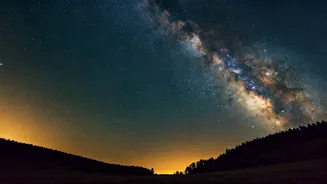
Astrotourism isn't limited to North India. In the south, the rolling hills of Coorg in Karnataka offer a wonderful escape from the city lights of Bengaluru and Mangalore. Tucked away amidst lush coffee plantations and dense forests, the region has numerous spots with low light pollution, making it a peaceful destination for casual stargazing. The clear post-monsoon skies are particularly rewarding. While not an official reserve, its natural darkness provides a much richer view of the cosmos than any city can offer, proving that dark skies can be found in every corner of the country.
Tips for Your First Trip
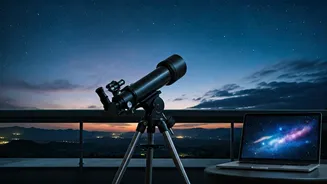
Ready to go? A few simple tips can make your first stargazing expedition much more enjoyable. First, plan your trip around the new moon; the absence of moonlight makes a huge difference. Once you're at your dark-sky spot, allow your eyes at least 20-30 minutes to fully adapt to the darkness—and keep your phone tucked away. If you need light, use a torch with a red filter, which won't ruin your night vision. You don't need a telescope to start; a good pair of binoculars can reveal stunning details of the moon, star clusters, and the Milky Way. Finally, dress in warm layers. Even in summer, nights at high altitudes or in deserts can get surprisingly cold.