


The Science in the Strands
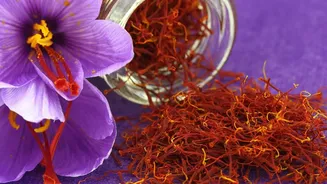
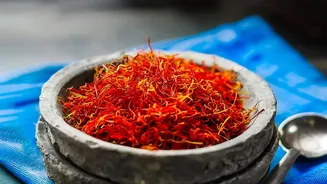
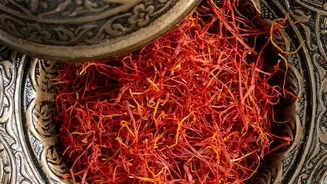
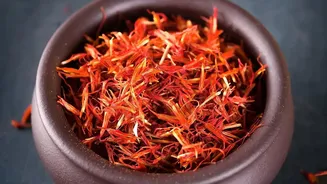
Each delicate thread of saffron holds three key compounds: crocin, which provides the brilliant golden colour; picrocrocin, which imparts a subtle, pleasant bitterness; and safranal, which is responsible for its iconic honey-like aroma. These compounds are
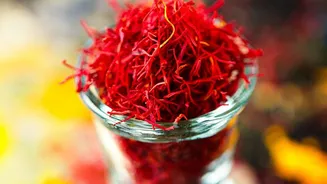
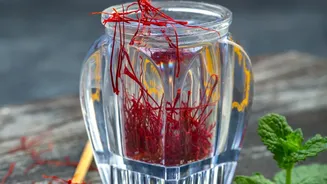
locked within the dried stigma. Sprinkling dry threads directly into a dish is a waste, as much of their potential remains trapped. Soaking, also known as blooming, is the process of using a liquid to gently draw out these elements, allowing them to infuse your entire dish with even colour and deep flavour. The deep red threads slowly release their water-soluble crocin, turning the liquid a vibrant gold while the threads themselves remain red—a key sign of pure saffron.
The Art of Soaking: A Step-by-Step Guide
Unlocking saffron's full potential is simple. For most recipes serving four people, a generous pinch of about 15-20 threads is sufficient. First, lightly crush the threads. You can do this between your fingers or for a more uniform result, use a small mortar and pestle. This increases the surface area and helps the compounds release more efficiently. Place the crushed saffron in a small bowl and pour over two to three tablespoons of a warm liquid. Let the threads steep for at least 15 to 20 minutes. You’ll know it’s ready when the liquid is deeply coloured and highly aromatic. When it’s time to cook, add the entire mixture—both the infused liquid and the softened threads—to your dish.
Milk or Water: Choosing Your Liquid
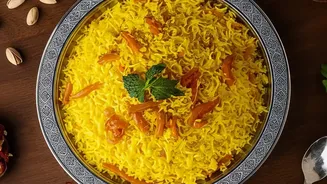
The choice of soaking liquid depends entirely on your recipe. Warm water is the most versatile option and works perfectly for savoury rice dishes like biryani and pulao, or in soups. For desserts and sweets, warm milk is the classic choice in Indian cooking. Its fat content can help carry the saffron's aroma even more effectively, making it ideal for kheer, rabri, kulfi, or sheer khurma. In fact, for a Hyderabadi-style biryani, blooming saffron in milk is preferred to achieve the signature streaked-gold appearance on the rice. You can also use other liquids like stock or even rosewater if it complements the dish's flavour profile.
Common Mistakes to Avoid
The most frequent error is skipping the soaking step altogether. Another common mistake is using boiling liquid. Excessive heat can damage saffron's delicate aroma compounds, giving you great colour but a muted fragrance. The liquid should be warm to the touch, not scalding. Using too much saffron is another pitfall; instead of more flavour, you'll get an unpleasant bitterness. Finally, timing is everything. For rice dishes, the saffron liquid can be added with the rest of the cooking water. For stews or curries, add it mid-way through cooking. In delicate desserts, it's often best to add it toward the end to preserve its fragile aroma.
Saffron's Starring Roles in Indian Cuisine
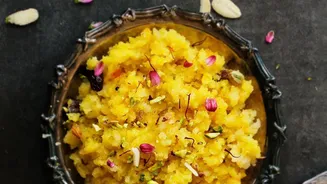
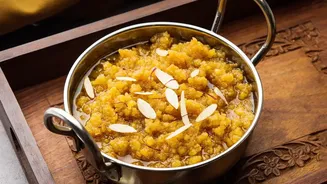
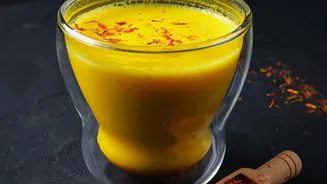
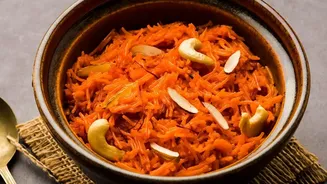
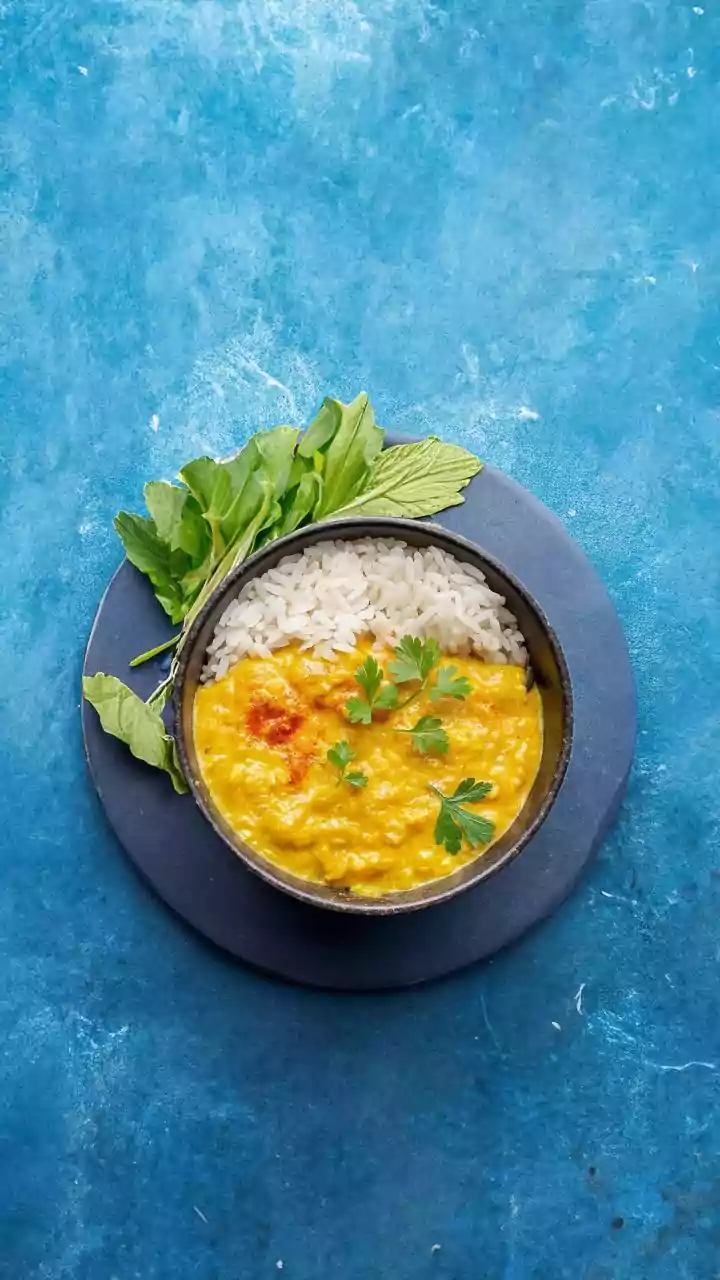
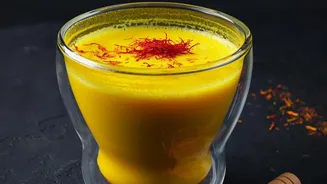
Once properly bloomed, saffron elevates countless Indian classics. In biryani, it provides the iconic visual appeal and a subtle, luxurious fragrance that permeates the layers of rice and meat. In desserts like kheer, firni, and shrikhand, saffron-infused milk lends a beautiful golden hue and an unmatched celebratory aroma. It's the key to the comforting warmth of kesar doodh (saffron milk) and the richness of sweets like kesari halwa and shahi tukda. Whether in a savoury pulao or a creamy kulfi, soaked saffron doesn't just add colour; it adds a layer of complexity and elegance that defines the dish.