








Beyond the Gateway City
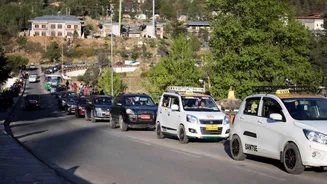
Siliguri wears its title of 'Gateway to the North East' with a mix of pride and fatigue. It's a crucial hub, connecting the rest of India to Darjeeling, Sikkim, Bhutan, and the entire northeastern frontier. This strategic importance is undeniable, shaping
its identity as a bustling, transient city. Travellers rush through, changing vehicles, grabbing a quick meal, their eyes already fixed on the misty mountains ahead. But in doing so, they miss the transformation that the city and its surroundings undergo with the first rains. The Mahananda River, which flows by the city, swells with the rain, offering mesmerising views. This isn't the off-season; it's a different season, one that swaps crowds for calm and offers a more intimate connection with nature. While landslides in the higher reaches are a valid concern, the plains and foothills around Siliguri offer a safer, yet equally verdant, monsoon experience. To ignore this period is to miss the region at its most lush and romantic. To see Siliguri only as a corridor is to read the preface of a book and then put it down, unaware of the rich stories in its chapters, particularly the one written by the monsoon.
The Monsoon Metamorphosis
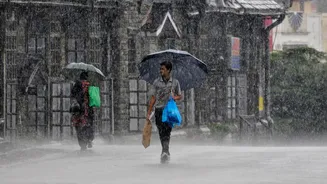
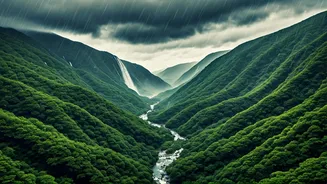
When the monsoon arrives, it washes away the dust and grime of the plains, breathing new life into the landscape. The intense heat of summer subsides, replaced by a pleasant cool. The rain-washed tea gardens on the city's periphery become a spectacle of vibrant green. The Mahananda River, which flows by the city, swells with the rain, offering mesmerising views. This isn't the off-season; it's a different season, one that swaps crowds for calm and offers a more intimate connection with nature. While landslides in the higher reaches are a valid concern, the plains and foothills around Siliguri offer a safer, yet equally verdant, monsoon experience. To ignore this period is to miss the region at its most lush and romantic.
A Base for Rain-Soaked Adventures
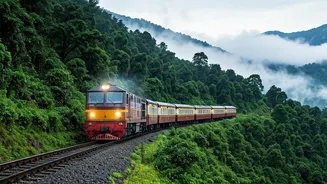
Instead of bypassing Siliguri, consider it the perfect base camp for monsoon exploration. Many national parks like Gorumara and Jaldapara close their core areas, but the fringe regions and the drive through the Dooars are breathtaking. The journey itself becomes the destination, with seasonal waterfalls appearing on routes to nearby places like Kurseong, Mirik, and the lower Kalimpong hills. You can take a day trip to see the Coronation Bridge shrouded in mist, its iron arches framing the turbulent Teesta River below. Explore the less-trodden paths of the Mahananda Wildlife Sanctuary, where certain routes remain open and the forest is alive with the sounds of rain and unseen creatures. Siliguri offers the advantage of city comforts—good hotels and food—at the end of a day spent exploring the wild, wet, and beautiful outdoors.
Finding the Charm Within
You don't even have to venture far. Within Siliguri, the monsoon creates its own magic. The ISKCON temple, with its grand architecture, looks serene against a grey sky. A drive to the Salugara Monastery on the outskirts feels like a journey into a calmer world. The local food scene, with its mix of Bengali, Tibetan, and Nepali influences, offers the perfect comfort on a rainy day—think steaming momos and hot thukpa. The Hong Kong Market, a paradise for shoppers, provides a lively, covered escape from a sudden downpour. By slowing down, you discover a city with a pulse that's about more than just transit. It’s about community, culture, and the simple pleasure of sipping hot tea while watching the world get a fresh wash.