
A Geological Marvel
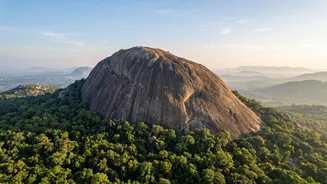
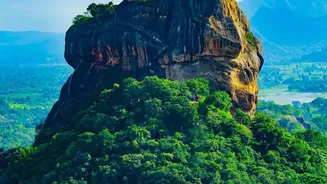
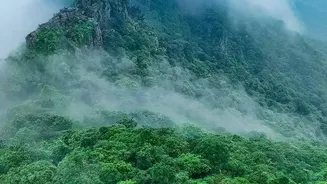
At its core, Savandurga's fame comes from its sheer scale. It is a monolith, which means it is a single, massive stone formation. Composed of granite, gneiss, and other volcanic rocks, this hill rises to an impressive 1,226 metres above sea level. It's
technically formed by two hills, Karigudda (the 'black hill') and Biligudda (the 'white hill'), separated by a valley. The term 'one of Asia's largest' isn't just a casual descriptor; it reflects the immense size and singular nature of this rock formation, which has been shaped by millions of years of wind and water erosion. This geological wonder serves as a dramatic backdrop and a natural playground just a short drive from the city.
A Fortress Steeped in History
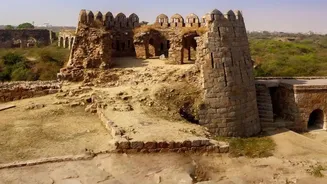
Savandurga's history is as layered as its rock formations. The earliest records of the hill, then called Savandi, date back to 1340 AD during the Hoysala dynasty. The fort ruins you see today were first significantly developed in 1543 by Samanta Raya, a governor under the Vijayanagara Empire. For a time, it served as a secondary capital for the Magadi rulers, including the famed Kempegowda. Later, it fell into the hands of the Mysore kingdom, Tipu Sultan, and was eventually captured by Lord Cornwallis during the Third Anglo-Mysore War in 1791. Its imposing structure and difficult access earned it the grim nickname 'Savinadurga' or the 'Fort of Death,' as it was once considered an inescapable prison.
The Tale of Two Trails
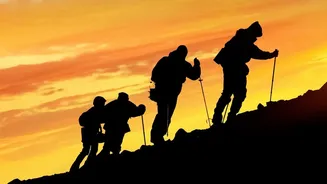
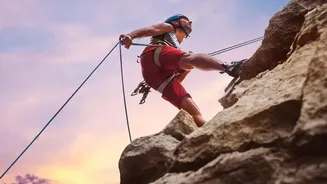
For adventure seekers, Savandurga offers two distinct trekking paths. The most popular is the route up Biligudda (white hill), considered moderately difficult but manageable for beginners with good fitness. This trail is marked with arrows on the rock surface and follows power lines, guiding trekkers on a steep, exhilarating climb. The ascent can take one to two hours and rewards climbers with stunning panoramic views and a small Nandi temple at the peak. The second trail, up Karigudda (black hill), is steeper, more challenging, and requires a higher level of experience, often involving rock climbing techniques. Due to its difficulty, this route is less travelled and may require permission from the forest department.
More Than Just a Trek
The experience of Savandurga isn't limited to its summit. The foothills are a destination in their own right, home to the Savandi Veerabhadreshwara Swamy and Narasimha Swamy temples, which attract pilgrims from all over the region. The area's biodiversity is also notable, with the surrounding forests home to various birds, including the endangered yellow-throated bulbul, and once, even vultures. The nearby Manchanabele Dam on the Arkavathi River offers a serene spot for picnics and bird watching, rounding out a day of adventure with a touch of tranquility.