








The Irresistible Monsoon Allure
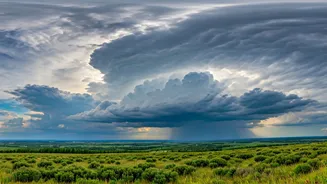
Every year, as the southwest monsoon sweeps across South India, the Western Ghats undergo a dramatic transformation. The scorched landscapes of summer give way to a lush, emerald paradise, with waterfalls that were once trickles roaring back to life.
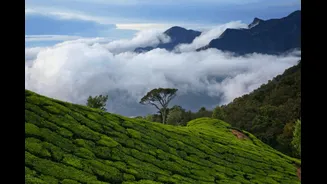
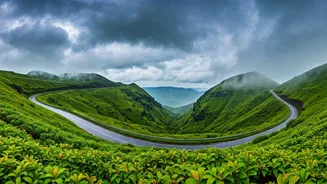
This magical period draws city dwellers seeking respite from the heat, with destinations like Coorg, Munnar, Wayanad, and the ghats of Maharashtra becoming prime spots for weekend getaways. The appeal is undeniable: misty mornings, the scent of damp earth from coffee plantations, and the thrill of driving through cloud-kissed mountain passes. For many, it's the perfect window to experience nature's grandeur at its most potent and refreshing.
A New Era of Caution: Weather and Overtourism
While the beauty is timeless, the context of travel has changed. The primary reason for caution is the increasingly intense and unpredictable weather. The India Meteorological Department (IMD) frequently issues alerts for heavy rainfall, which can lead to very real dangers. Saturated soil on steep slopes significantly increases the risk of landslides, which can block roads for hours or days. Ghat roads in areas like Coorg, Chikkamagaluru, and Wayanad become slippery and prone to mudslides, making driving hazardous. Beyond the weather, the Western Ghats are grappling with the severe impacts of overtourism. Many popular hill stations now see visitor numbers that far exceed their capacity, placing immense strain on local infrastructure, including roads, waste management, and especially water resources. This environmental degradation, from soil erosion on trails to pollution, threatens the very ecosystems that draw tourists in the first place.
How to Plan a Safe and Mindful Trip
A cautious approach doesn't mean cancelling plans, but rather, planning smarter. Your first step should always be to check the latest weather forecasts from the IMD, paying close attention to any red or orange alerts for your intended destination. These alerts warn of heavy rainfall and potential disruptions. When trekking, be aware that certain trails, especially those with steep, rocky sections or that cross narrow gullies, become extremely dangerous when wet. Authorities often restrict access to high-risk areas like certain waterfalls or forest trails during peak monsoon, so verify accessibility before you go. When driving, plan to cover treacherous ghat sections before late afternoon, as downpours often intensify later in the day. Finally, always download offline maps, as mobile networks can be unreliable during heavy rain.
Embracing a Lighter Footprint
Cautious travel is also responsible travel. The strain of overtourism is a clear sign that visitors need to be more conscious of their impact. Simple acts, like avoiding single-use plastics, not littering, and respecting wildlife, can make a significant difference. Choose accommodations that are committed to sustainable practices. Many homestays and resorts are now focusing on eco-friendly operations. When exploring, stay on marked trails to prevent soil erosion and habitat destruction. The government and local organizations are increasingly promoting a model of tourism that balances economic growth with environmental preservation. By participating in community-led initiatives or choosing destinations that are actively managing visitor numbers, you contribute to a more sustainable future for the Ghats. This ensures that their natural beauty can be preserved for generations to come.