








Meet the New Indian Beauty Consumer
The driving force behind this market shift is a new kind of consumer. Led by digitally native Gen Z and millennials, today’s shoppers are more informed, ingredient-aware, and discerning than ever before. [13, 17] They are not just buying a brand; they
are buying into a promise of tangible results. This 'skin-tellectual' consumer researches ingredients, follows expert creators over celebrity ads, and demands transparency. [3, 4] This shift is also happening far beyond the metros. Two out of every three beauty-related searches now originate from non-metro markets, democratising trends and forcing brands to think locally about factors like climate and water quality. [5, 6]
From Marketing Claims to Scientific Credibility
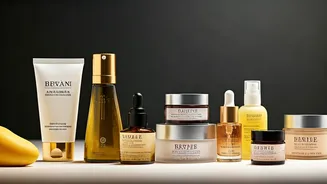
For decades, the beauty conversation was dominated by marketing slogans and aspirational imagery. Now, the focus has moved from the front of the bottle to the back. Consumers are looking for science-backed formulations with active ingredients like hyaluronic acid, retinol, and vitamin C. [2, 3] This has fueled the rise of 'dermacosmetics' and brands that prioritise clinical testing and proven efficacy. [3] New-age Indian brands, in particular, have been quick to capture this sentiment, growing six times faster than the broader beauty and personal care market by focusing on these specific, result-oriented consumer needs. [21] They are successfully blending traditional Indian beauty wisdom with modern science, creating a niche that resonates with a consumer base seeking both authenticity and performance. [2, 4]
The Twin Challenges: Scale and Trust
Delivering results is only half the battle; the other is doing it at scale. For brands to succeed in this new landscape, a robust omnichannel strategy is non-negotiable. [16] While digital platforms and direct-to-consumer (D2C) websites are crucial for discovery and education, physical retail remains vital for building trust. [8, 20] Consumers want to touch, test, and get consultations before they commit, especially for premium products. [8] This is why digitally native giants like Nykaa are aggressively expanding their offline footprint, adding dozens of new stores. [8, 25] The rise of quick commerce is adding another layer, catering to impulse buys and convenience, proving that a successful brand must be present wherever its customer is. [8, 21]
Technology as the Great Enabler
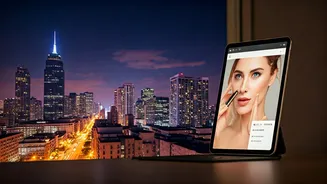
Bridging the gap between personalised results and mass-market scale is technology. Artificial Intelligence (AI) and Augmented Reality (AR) are no longer gimmicks but essential tools. [2] Brands are using AI-powered devices for on-the-spot skin analysis and personalised product recommendations. [2] Virtual try-on features on e-commerce apps allow consumers to experiment with makeup shades from home, while data analytics helps brands forecast trends and manage inventory with greater precision. [19] This tech-enabled ecosystem allows brands to offer a semblance of one-on-one consultation to millions of consumers simultaneously, a key factor in a market where personalisation is increasingly linked to efficacy.