





Why 'Wilder' in the Rain?
For decades, the standard wisdom was to avoid national parks during the monsoon. Core zones closed, tracks became impassable, and sightings were deemed difficult. But that perception is changing fast. A handful of India's premier tiger reserves are now
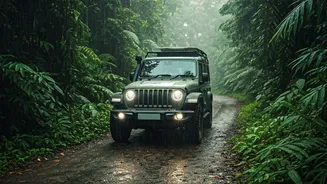
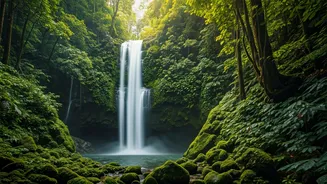
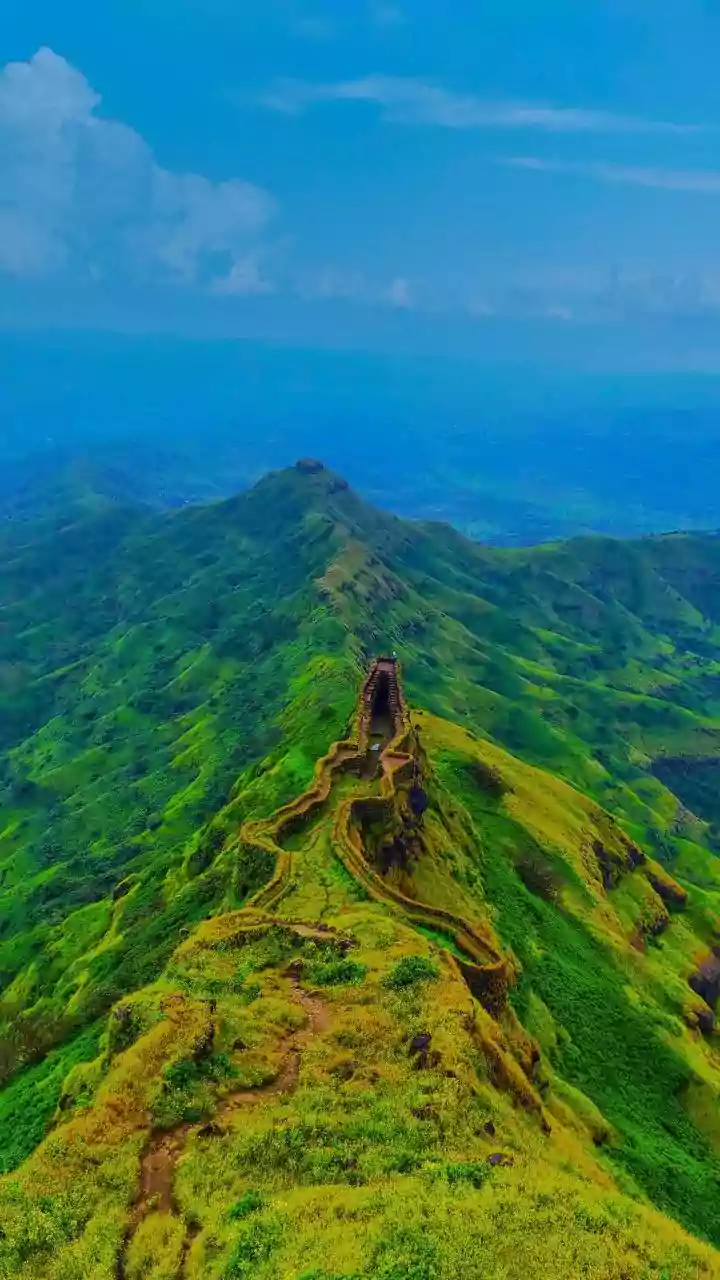
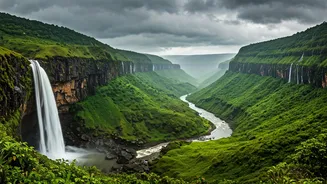
keeping their buffer zones or specific tourism gates open, offering an experience that is arguably more raw, immersive, and 'wild' than a peak-season safari. The monsoon transforms the landscape. Dust settles, replaced by the scent of wet earth. The forest canopy becomes a brilliant, impenetrable green. This isn't just a visual upgrade; it changes the entire ecosystem. The jungle feels more alive. Peacocks dance in the rain, their plumage dazzling against grey skies. Amphibians and reptiles, dormant during the dry heat, are suddenly everywhere. And with fewer tourist vehicles jostling for position, the sense of isolation and discovery is profound. It’s you, the rain, and the rejuvenated wilderness.
The New Monsoon Map: Where to Go
While many core areas of famous parks remain closed to allow the habitat to recover, several parks offer fantastic monsoon access through their buffer zones. These areas are not second-best; they are teeming with life and offer a different kind of thrill.
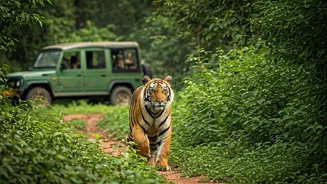
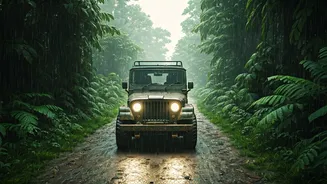
Ranthambore National Park, Rajasthan: A classic tiger destination, Ranthambore keeps specific zones (typically Zones 6 to 10) open for safaris during the monsoon months. These zones are rocky, less dense, and offer stunning views of the rain-swept Aravalli hills. While tiger sightings can be a matter of luck, the lush greenery makes for incredible leopard, sloth bear, and bird sightings. The drive itself, navigating slick, hilly terrain, is an adventure.
Jim Corbett National Park, Uttarakhand: India’s oldest national park has long been a pioneer in year-round tourism. During the monsoon, the Jhirna, Dhela, and Sitabani zones remain open. These zones, on the periphery of the core area, are a mix of dense Sal forest and open grasslands (chaurs). The monsoon brings out herds of elephants, which descend to the plains, and the birdlife is simply spectacular. The Kosi River, which borders the park, runs full and fast, adding to the dramatic scenery.
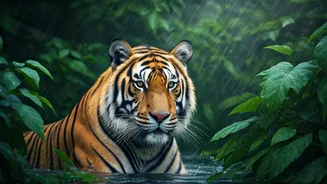
Tadoba-Andhari Tiger Reserve, Maharashtra: Perhaps the best park for a dedicated monsoon tiger safari. Tadoba has actively promoted monsoon tourism, keeping several gates open into its buffer and even some core areas. The park's numerous water bodies are a huge draw for wildlife. Sightings of tigers, including cubs often making their first appearance in the rain, are surprisingly frequent. The black soil of the region turns into a sticky challenge for safari drivers, making every trip a testament to skill and patience.
Gearing Up for a Wet Wilderness
A monsoon safari requires a different packing list and mindset. Your comfort and enjoyment depend on being prepared for the wet and humid conditions. First, your clothing. Ditch the cotton and opt for lightweight, quick-drying synthetic fabrics. Pack a reliable waterproof jacket and trousers—not just a cheap poncho. A waterproof cap or hat is essential for keeping rain out of your eyes.
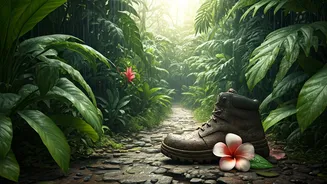
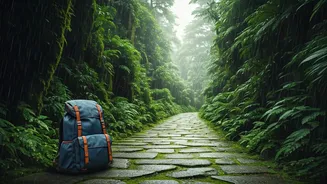
Protecting your gear is paramount. Bring waterproof dry bags for your camera, phone, and binoculars. A camera rain cover is a non-negotiable item for photographers. Good footwear is crucial; think waterproof hiking boots with excellent grip, not sandals or canvas shoes. Also, pack a powerful insect repellent, as the humid conditions bring out mosquitoes and other bugs.
Finally, booking and logistics. Book your safaris and accommodation well in advance, as only limited slots are available. Be mentally prepared for changes. Heavy downpours can sometimes lead to the temporary closure of tracks, so flexibility is key. Embrace the unpredictability—it's all part of the wild experience.