



The Classic: Full-Fat Coconut Milk
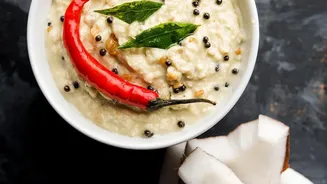
Coconut milk is a cornerstone of dairy-free Indian cooking, especially in South Indian and coastal cuisines. It’s not just a substitute; it's a traditional ingredient that provides both creaminess and a distinct, fragrant flavour. For the richest texture,
always opt for full-fat coconut milk. The cream that solidifies at the top of the can is culinary gold—scoop it out first to add richness towards the end of cooking, then use the remaining liquid to adjust the sauce's consistency. To prevent the milk from splitting or losing its delicate flavour, add it in the final stages of cooking and allow it to simmer gently rather than boiling it aggressively. This method works beautifully in dishes where its sweet, tropical notes can shine, such as in a Goan fish curry or a Kerala-style vegetable stew.
The Silky Secret: Nut and Seed Pastes
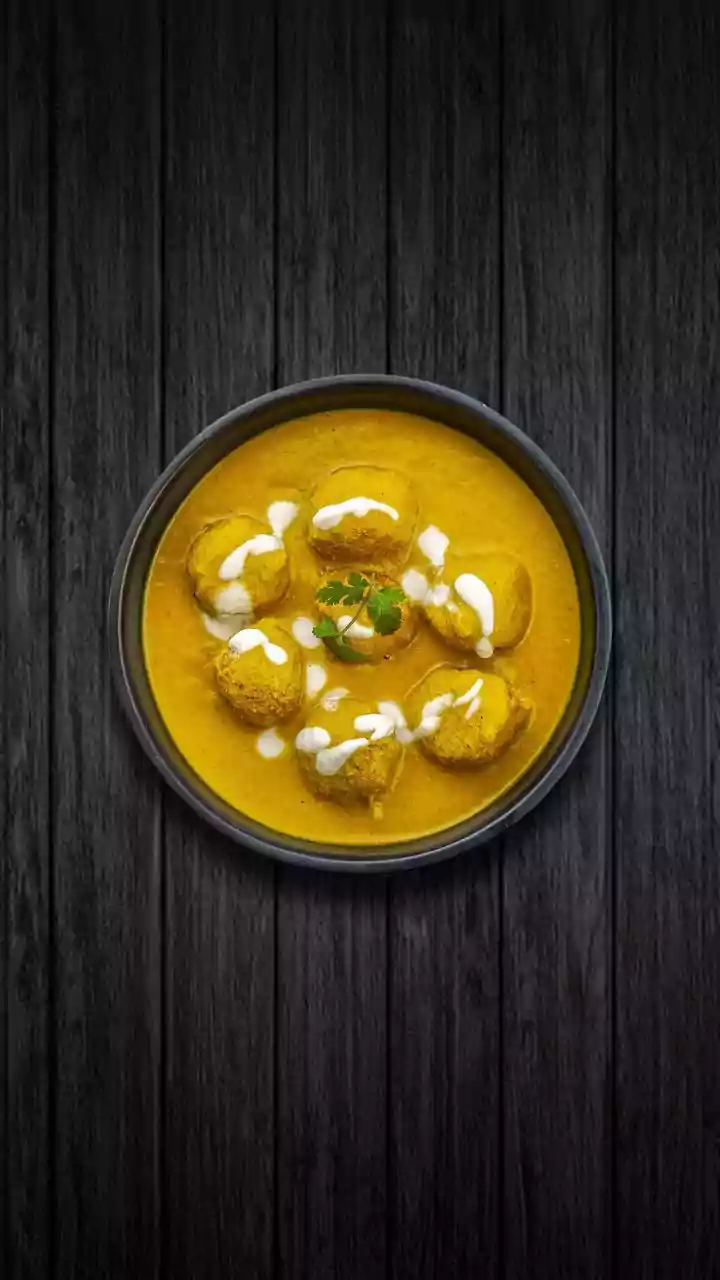
For a neutral yet incredibly rich base, cashews are a game-changer. Historically used in Mughlai and North Indian dishes like kormas, cashew paste creates a velvety finish without an overpowering flavour. To prepare it, soak raw cashews in hot water for at least 30 minutes, then blend with a little fresh water until you have a completely smooth, thick cream. This paste can be stirred into a curry after the tomato and spice base has been cooked down. Almonds work similarly, offering a slightly nuttier taste. For a different kind of creaminess, look to seeds. A paste made from white poppy seeds (khus khus) or melon seeds (magaz) is a traditional thickener that lends a subtle, earthy body to gravies. These seeds are typically soaked and ground into a fine paste, sometimes with a little grated coconut, before being added to the sauce.
The Humble Thickener: Vegetables and Lentils
Sometimes the secret to a thicker sauce is already in the pot. The foundational masala paste of most curries—made from slowly sautéed onions, ginger, garlic, and tomatoes—provides a significant amount of body when cooked down properly. You can also enhance this by blending a portion of the cooked vegetables from the curry itself. A ladleful of cooked potatoes, cauliflower, or carrots blended and returned to the pot adds creaminess and flavour. Another effective and nutritious method is to add a small amount of cooked and pureed red lentils (masoor dal). The lentils dissolve into the sauce, absorbing excess liquid and adding a wholesome, satisfying thickness without altering the primary flavour profile of the dish.
The Modern Twist: Plant-Based Yogurts and Creams
As dairy-free alternatives become more common, incorporating them into Indian cooking has become easier. Unsweetened plant-based yogurts made from soy, almond, or coconut can be used to replicate the slight tang and creaminess of dairy yogurt. The key is to add them at the end of the cooking process, off the heat, and to whisk them in gently to prevent curdling. Soy or oat creams can also work well, especially in North Indian curries where heavy cream might traditionally be used. They offer a neutral flavour that won't compete with the spices. Another surprising but effective option is blended silken tofu. When pureed with a small amount of liquid, it creates a neutral, protein-rich cream that thickens a curry beautifully without altering its taste.