







The Modern Vegetarian's Dilemma
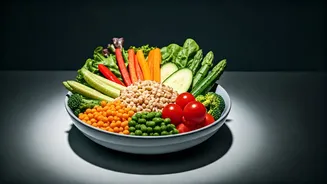
The traditional Indian vegetarian thali is a masterclass in nutritional balance, a concept perfected over generations. It instinctively combines grains, lentils, seasonal vegetables, curd, and pickles to provide a complete meal. However, the diet of an urban
millennial vegetarian often looks very different. Hectic work schedules, the convenience of food delivery apps, and a preference for global cuisines like pasta and pizza have replaced the diverse, fibre-rich thali. This new way of eating, heavy on refined carbohydrates and processed foods, creates an illusion of health while quietly stripping the diet of essential nutrients. Many assume their vegetarian choice is enough, not realising that modern eating habits are creating deficiencies that traditional diets naturally avoided.
The Big Four Deficiencies
Several key nutrients are consistently under-consumed in modern vegetarian diets. The most common culprits are Protein, Vitamin B12, Iron, and Vitamin D. While a vegetarian diet can be rich in many things, it requires careful planning to ensure these four are covered. Protein intake is often inadequate in both quantity and quality. Vitamin B12 is almost exclusively found in animal products, making deficiency a major concern for vegetarians. Plant-based iron (non-heme) is less easily absorbed by the body. And Vitamin D deficiency is widespread across India, compounded by increasingly indoor lifestyles. These aren't just minor gaps; they can impact everything from energy levels and immunity to long-term bone and neurological health.
The Unspoken Protein Problem
Many Indians believe a daily bowl of dal is sufficient for their protein needs. While dal is an excellent food, this belief is a significant part of the problem. A single bowl is often not enough to meet daily requirements, which are crucial for muscle strength, immunity, and metabolism. Furthermore, most plant-based proteins are 'incomplete,' meaning they lack one or more essential amino acids. The traditional solution was to combine cereals with pulses (like dal-rice or khichdi), which creates a complete protein profile. Urban millennials, however, often eat these foods in isolation or replace them with low-protein refined carbs. A staggering 73% of urban Indians are reported to be protein deficient, highlighting a massive awareness gap.
Bridging the Gap: A Practical Food-First Guide
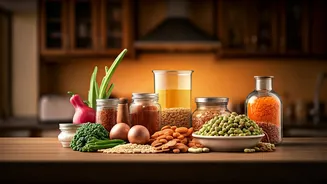
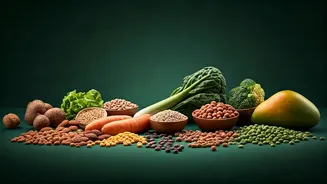
The good news is that these deficiencies can be addressed with mindful eating, without needing a complete dietary overhaul. Start by consciously diversifying your plate. For protein, ensure you combine different sources like lentils, legumes (chickpeas, kidney beans), paneer, tofu, nuts, and seeds. To boost iron absorption, pair iron-rich foods like spinach, lentils, and beans with a source of Vitamin C, like a squeeze of lemon or a side of tomato-based salad. For Vitamin B12, lacto-vegetarians should regularly include dairy products like milk, yogurt (curd), and paneer. Fortified foods like certain breakfast cereals and plant-based milks are also excellent options. Finally, for Vitamin D, while some mushrooms and fortified foods help, safe and regular sun exposure remains the most effective natural source.