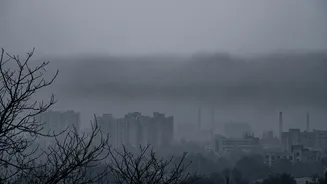









As smog descends on Delhi, it’s not just our lungs that suffer. Our eyes are on the front line, often becoming red, itchy, and uncomfortably dry. This isn't just a minor annoyance; it's a direct response to the hazardous air quality.
Why Your Eyes Burn in Polluted Air
The air during Delhi's
smog season is a toxic cocktail of fine particulate matter (PM2.5), dust, and harmful gases like nitrogen dioxide and sulphur dioxide. Your eyes are protected by a thin layer called the tear film, which keeps them moist and clear. Pollutants in the air disrupt this delicate layer, causing it to evaporate faster than usual. This leads to inflammation of the conjunctiva (the membrane covering the white of your eye), a condition known as conjunctivitis, and triggers dry eye syndrome. The constant exposure to these irritants is what causes that all-too-familiar burning, stinging, and gritty sensation.
Recognising the Common Symptoms
The body's reaction to air pollution can manifest in several ways, and the eyes are often one of the first organs to show signs of distress. Common symptoms include persistent redness and itching, a burning or stinging feeling, and excessive watering as your eyes try to flush out the foreign particles. Many people also experience a 'gritty' feeling, as if sand is stuck in their eye. In some cases, vision can become temporarily blurred because the unstable tear film isn't properly lubricating the cornea. These symptoms are collectively a form of environmental dry eye or allergic conjunctivitis, directly linked to poor air quality.
Your First Line of Defence: Protection
Preventing exposure is the most effective strategy. When you step outside on high-AQI days, wearing wraparound sunglasses can create a physical barrier, shielding your eyes from airborne particles. If you wear contact lenses, consider switching to glasses, as contacts can trap pollutants against the eye's surface, worsening irritation. One of the most common reflexes is to rub itchy eyes, but this should be avoided at all costs. Rubbing can transfer germs from your hands and cause further inflammation. Indoors, using an air purifier can help reduce the overall pollutant load, giving your eyes a cleaner environment in which to recover.
Simple Remedies for Immediate Relief
For mild irritation, several home remedies can provide quick comfort. Applying a cold compress—a clean cloth soaked in cool water—over closed eyes for a few minutes can help reduce inflammation and soothe itchiness. Over-the-counter lubricating eye drops, often called artificial tears, can help restore moisture and flush out irritants. Opt for preservative-free formulations if you need to use them frequently. Staying well-hydrated by drinking plenty of water helps your body maintain natural tear production. Additionally, making a conscious effort to blink more often, especially during prolonged screen use, helps keep the eyes lubricated naturally.
When to Consult an Eye Specialist
While most pollution-related irritation is temporary, you shouldn't ignore persistent symptoms. If your eye discomfort lasts for more than a few days, or if you experience severe pain, thick discharge (pus), or a sudden change in your vision, it's crucial to see a doctor. These could be signs of a more serious infection or corneal damage that requires medical treatment. An ophthalmologist can properly diagnose the issue and may prescribe medicated eye drops, such as antibiotics for a bacterial infection or stronger anti-inflammatory drops for severe allergies.